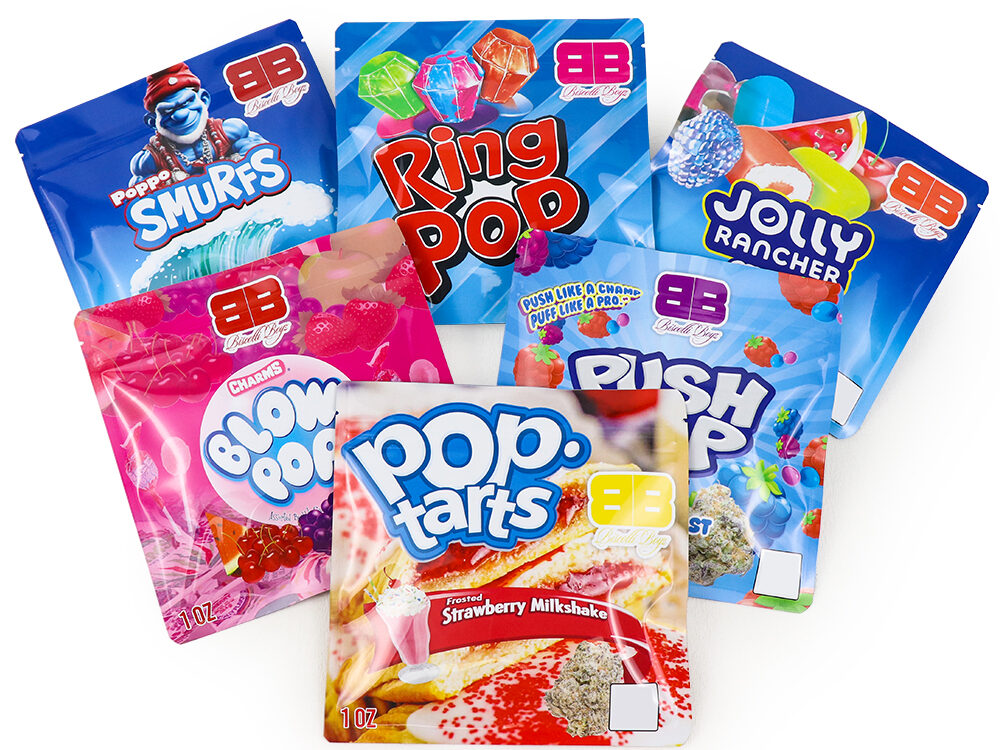
Food packaging shapes sales just as much as product flavor. With almost 20 years in this field, I’ve watched many food brands boost sales with tailored food pouches.https://fdxpack.com/
Custom pouches do more than store food—they lock in freshness and act as eye-catching marketing. Plain generic packs blend in on store shelves, while custom designs let brands pick materials, prints and styles for snacks, coffee, grains or ready meals, drawing shoppers and building trust. This guide breaks down key factors to pick cost-effective, functional custom food packaging.
The Undeniable Benefits of Custom Food Pouches
Investing in custom food pouches offers a multitude of advantages that directly impact your product's success and your brand's longevity. These benefits go beyond mere containment.
- Superior Product Protection & Extended Shelf Life: Custom pouches are engineered to protect your food from oxygen, moisture, light, and contaminants. This means your product stays fresher for longer, reducing waste and ensuring a high-quality experience for the consumer.
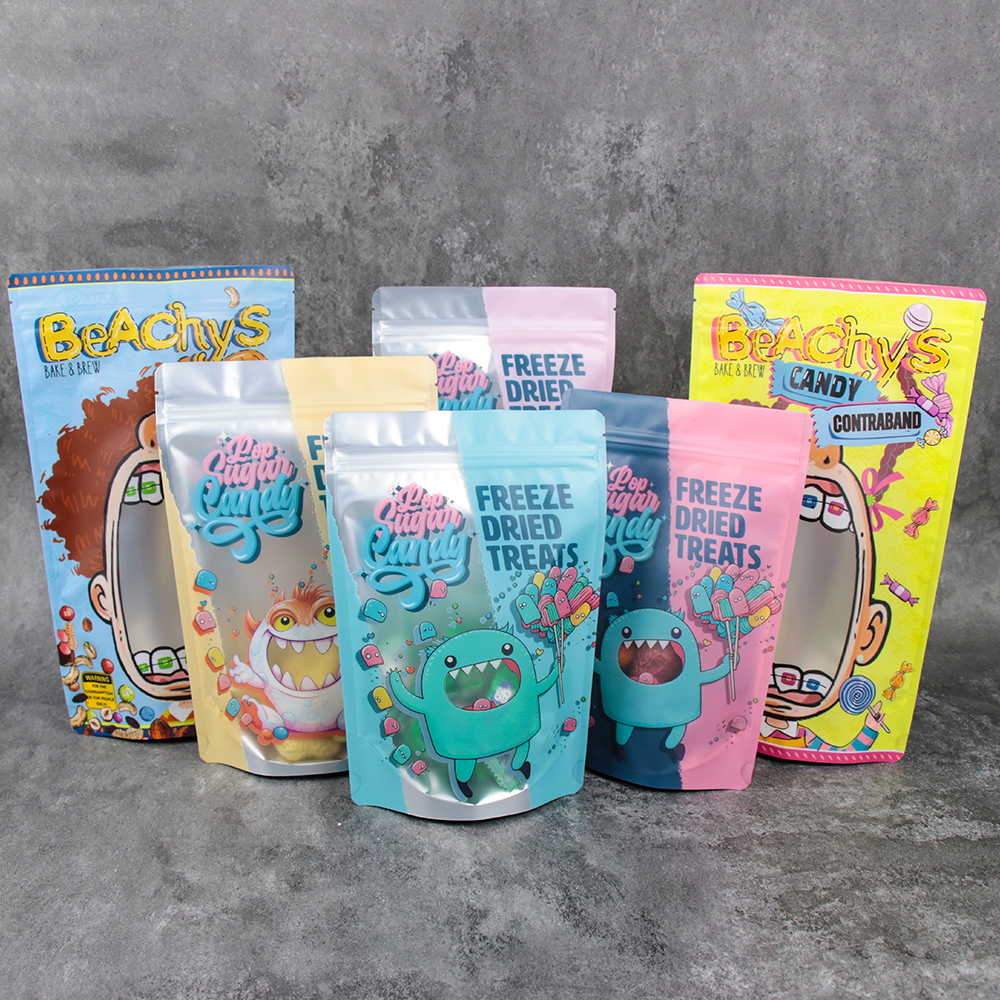
- Enhanced Brand Differentiation & Shelf Appeal: A unique design, vibrant colors, and a distinctive shape make your product stand out. Custom printing allows your brand story, values, and key messages to shine through, immediately grabbing consumer attention.
- Consumer Convenience: Features like reclosable zippers, tear notches, and easy-pour spouts enhance the user experience, making your product more practical and enjoyable to consume. This convenience fosters repeat purchases.
- Logistical Efficiency: Flexible pouches are lightweight and take up less space than rigid packaging, leading to lower transportation costs and more efficient storage. This can significantly impact your bottom line.
- Sustainability Storytelling: Custom pouches offer opportunities to incorporate sustainable materials and clearly communicate your environmental commitment to consumers, which is increasingly important in today's market.
I've seen many brands, from small startups to large enterprises, realize these benefits, transforming their market position through thoughtful packaging choices.
Key Factors to Consider When Choosing Your Custom Food Pouches
Selecting the ideal custom food pouch requires a systematic approach, evaluating various aspects of your product and market.
1. Your Product's Specific Needs
The type of food you are packaging is the most critical starting point.
- Food Type: Is it a dry good (coffee, snacks, grains), a liquid (sauces, soups), a powder (spices, protein supplements), or a solid with high moisture content (jerky, cheese)? Each requires different protective properties.
- Shelf Life Requirements: How long does your product need to stay fresh? This directly dictates the barrier properties required from the pouch material.
- Storage Conditions: Will the product be stored at ambient temperature, refrigerated, or frozen? Extreme temperatures can affect material integrity and barrier performance.
- Vulnerability: Is your product sensitive to oxygen, moisture, or light? Does it contain oils that could degrade packaging over time?
Understanding these specifics is fundamental to choosing the right material and structure for your pouch.
2. Pouch Format & Features
The physical design of the pouch impacts both functionality and consumer appeal.
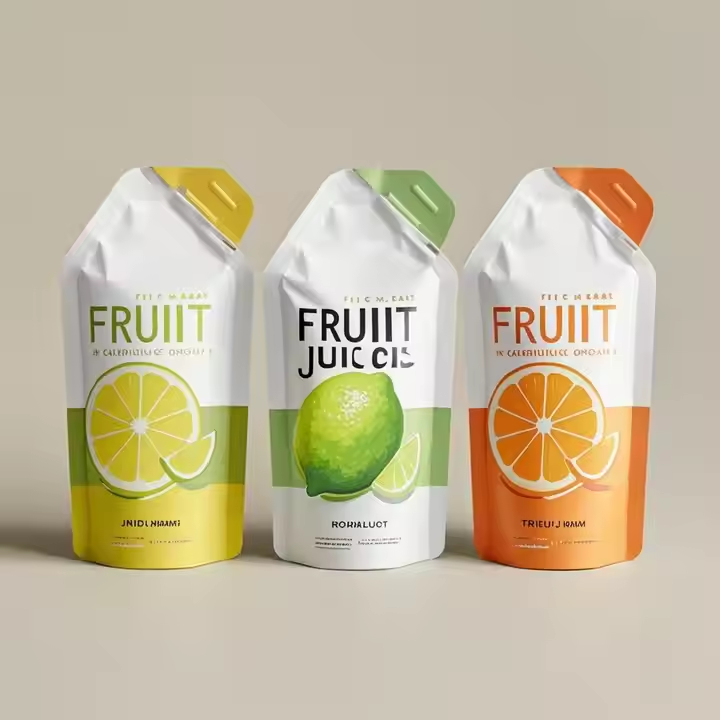
- Stand-Up Pouches (SUP): Ideal for excellent shelf presence and often used for snacks, coffee, pet food, and liquid products. They offer good branding opportunities on multiple panels.
- 3-Side Seal Pouches: Simple, cost-effective, and versatile. Often used for single servings, samples, or products that don't need to stand upright.
- Quad-Seal Pouches: Offer a box-like appearance and excellent stability, often used for heavier products like coffee beans or pet food. They provide four distinct panels for branding.
- Middle Seal Pouches: A traditional, economical option, often seen for snack foods or powders.
- Added Features:
- Zippers/Reclosable Seals: Essential for multi-serving products to maintain freshness.
- Tear Notches: For easy, clean opening.
- Spouts: For liquid products, offering controlled pouring and reclosure.
- Hang Holes: For retail display on hooks.
- Degassing Valves: Crucial for products like coffee, allowing CO2 to escape while preventing oxygen entry.
These features significantly enhance the user experience and can differentiate your product in the market.
3. Material Selection
The materials used directly influence protection, appearance, and cost.
- Common Flexible Packaging Materials:
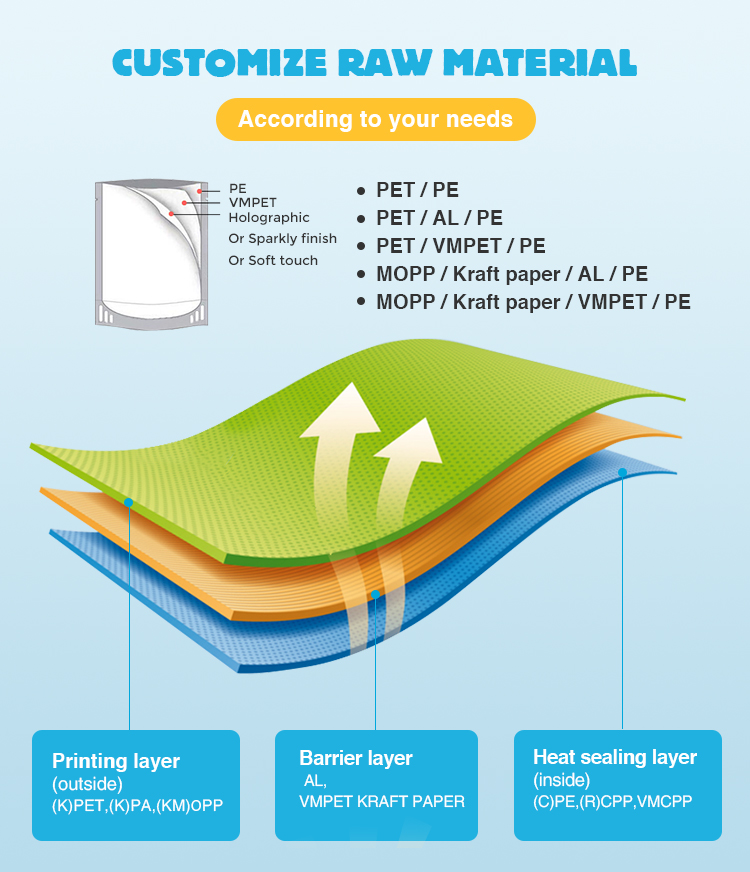
- PET (Polyethylene Terephthalate): Good clarity, strength, and barrier.
- PA (Polyamide/Nylon): Excellent puncture resistance and barrier to gases.
- PE (Polyethylene): Good moisture barrier, heat-sealable, and flexible. Often used as the inner layer.
- CPP (Cast Polypropylene): Good clarity, heat resistance, and moisture barrier.
- Aluminum Foil: Provides an excellent barrier against oxygen, moisture, and light, crucial for sensitive products.
- Metallized Films: A more economical alternative to foil, offering good barrier properties and a metallic look.
- Multi-Layer Laminates: Most food pouches are made of multiple layers combined to achieve specific properties (e.g., PET/AL/PE for high barrier).
- FDA & BRC Compliance: Ensure all materials are FDA-approved for food contact and manufactured under BRC-certified conditions for safety and quality.
Choosing the right combination is a technical decision best made with an experienced supplier.
4. Design & Printing
Your pouch is a billboard for your brand. High-quality design and printing are essential.
- Artwork Considerations: Prepare high-resolution graphics, logos, and text. Consider color accuracy (Pantone or CMYK) and how they will appear on the chosen material.
- Printing Technologies:
- Rotogravure Printing: Offers high-quality, consistent, and vibrant results, especially for large runs. Ideal for photographic images and fine details.
- Digital Printing: Suitable for smaller runs, prototypes, and designs with many variations, offering flexibility without plate costs.
- Finishes: Choose between matte, gloss, or a combination (spot UV) to create tactile and visual appeal. A matte finish can convey a premium, natural feel, while gloss can make colors pop.
A well-executed design can significantly enhance your product's perceived value.5. Sustainability Goals
The environmental impact of packaging is a growing concern for both brands and consumers.
- Recyclable Options: Explore mono-material pouches (e.g., all-PE structures) that are designed to be compatible with existing recycling streams.
- Eco-Degradable Pouches: For certain applications, these materials can offer an end-of-life solution, especially where composting infrastructure is available.
- Post-Consumer Recycled (PCR) Content: Incorporating PCR into new packaging reduces the demand for virgin plastics and supports the circular economy.
Discuss your sustainability objectives with your supplier to find the most responsible and effective solutions.6. Quantity & Cost
These practical considerations are vital for budgeting and production planning.
- Minimum Order Quantities (MOQs): Custom packaging often has MOQs due to setup costs for printing plates and specific material runs. Be prepared for these, especially for rotogravure printing.
- Budgeting: Balance your budget with your quality and branding goals. While low-cost options exist, they may compromise on material quality, print fidelity, or barrier performance, potentially costing you more in the long run through product spoilage or damaged brand reputation.
A good supplier will help you understand the cost drivers and find the most efficient solution for your scale.Partnering for Your Custom Food Pouch Needs
Choosing the right custom food pouch is a strategic decision that impacts your product's success. It requires careful consideration of your product's needs, desired features, material science, design aesthetics, sustainability goals, and budget. Partnering with an experienced and certified manufacturer is crucial. They can guide you through the complexities, ensuring your pouches meet all safety standards (like FDA and BRC), perform optimally, and effectively communicate your brand message.
My name is Emma Xiao, and with 17 years of experience in custom food packaging, I am passionate about helping businesses like yours succeed with high-quality, certified, and innovative solutions. If you have any questions or would like to discuss your specific food pouch needs, please feel free to reach out.https://www.yoemma.com/
Emma Xiao
Email: emma@fdxpack.com
Website: www.fdxpack.com