As Emma Xiaohttps://www.yoemma.com/ from FDXPACK with 17 years in packaging, I’ve seen growing global focus on sustainability, but also confusion between "biodegradable" and "compostable".These terms are often misused, yet they differ greatly in environmental impact and brand credibility.
At FDXPACK,https://fdxpack.com/ we don’t just supply packaging — we advise clients to choose solutions that match their values.This guide will cut through the jargon, helping brand owners, large buyers, and traders understand the crucial differences between truly compostable and merely biodegradable packaging. Making the right choice is vital not just for the planet, but also for maintaining consumer trust and avoiding potential "greenwashing" accusations, all while upholding FDXPACK’s commitment to quality and our FDA and BRC food-grade certifications.
The Urgency of Clarity in Sustainable Packaging Claims
As environmental awareness grows, terms around sustainable packaging are often misused, leading to widespread greenwashing. Many well-intentioned brands use packaging labeled “biodegradable” without fully understanding its real environmental impact, only to face consumer skepticism and regulatory risks later. Vague definitions and a lack of standards confuse customers and harm brand trust. At FDXPACK, we help clients move beyond empty claims and adopt genuine, science-backed, certified sustainable solutions.
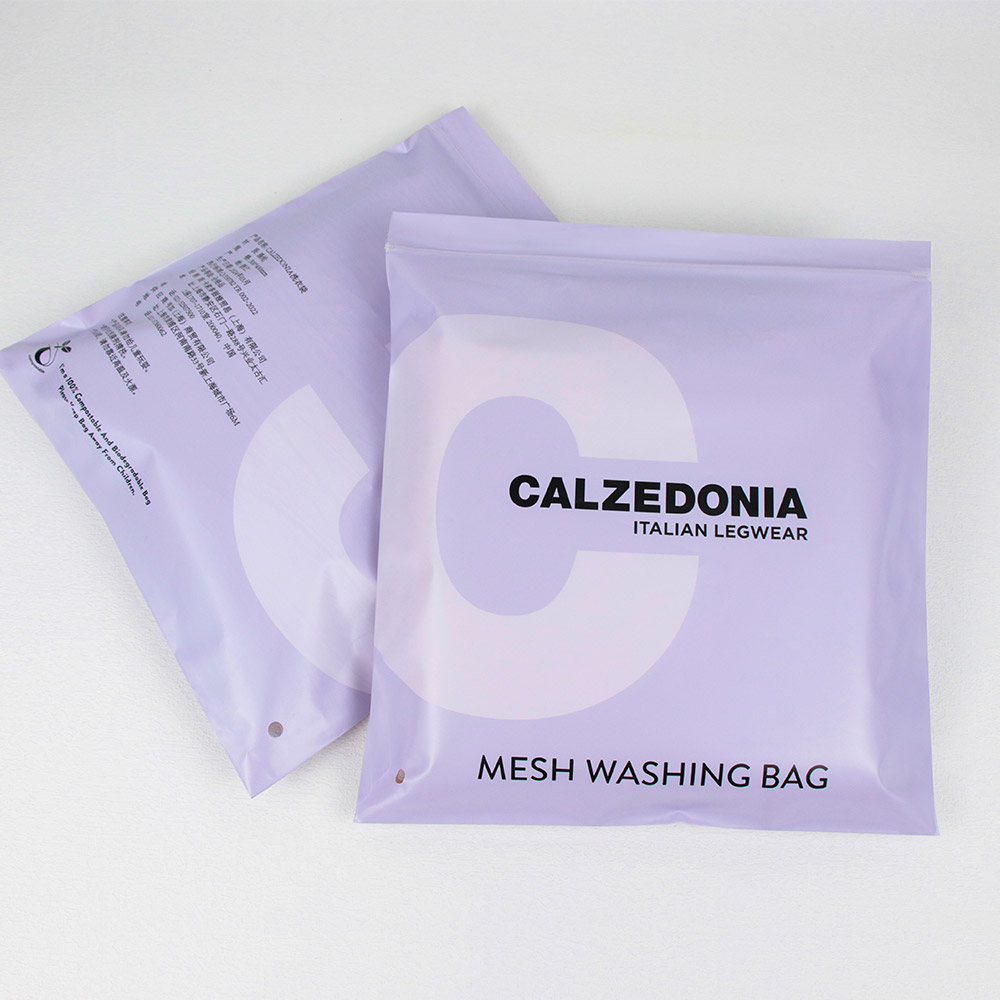
Let's start with Biodegradable Packaging. Broadly speaking, biodegradable materials can be broken down by organisms. However, the term is vague, with no set timeframe, conditions, or end products. In reality, almost everything biodegrades over hundreds or thousands of years. Many “biodegradable” plastics only decompose in limited industrial environments or break down into microplastics. Without certified standards, such claims can be misleading and do more harm than good to the planet.
The Broad Spectrum of "Biodegradable" and Its Limitations
The term “biodegradable” often gives a false impression that packaging naturally decomposes like leaves or fruit waste. In reality, many such materials only break down under strict, controlled conditions rarely found in nature or standard waste systems.
Some require high heat and industrial composting environments; in landfills with little oxygen, they can last for decades or release methane. Worse, many simply fragment into microplastics, polluting ecosystems and entering the food chain.
At FDXPACK, we stress that true biodegradation must have verified conditions, timelines, and safe by-products — not just a misleading label. Limitations and nuances of biodegradable packaging claims. Now, let's talk about Compostable Packaging. This is a much more specific and rigorous designation. For packaging to be certified compostable, it must break down into non-toxic, nutrient-rich organic matter (humus), carbon dioxide, and water within a specific timeframe and under specific conditions. Crucially, it leaves no visible, distinguishable, or toxic residue. There are two main types of composting:
- Industrial Composting: Requires controlled high temperatures and humidity, typically found in commercial composting facilities. Materials are certified to standards like ASTM D6400 (North America) or EN 13432 (Europe). Our eco-degradable bags at FDXPACK are often designed to meet these stringent industrial compostable standards.
- Home Composting: Refers to materials that can break down safely in a backyard compost pile, which operates at lower, less consistent temperatures. This is a higher bar to meet.
Compostable packaging is designed to return valuable nutrients to the soil, contributing to a circular economy. This is a far more impactful environmental solution than general "biodegradability."
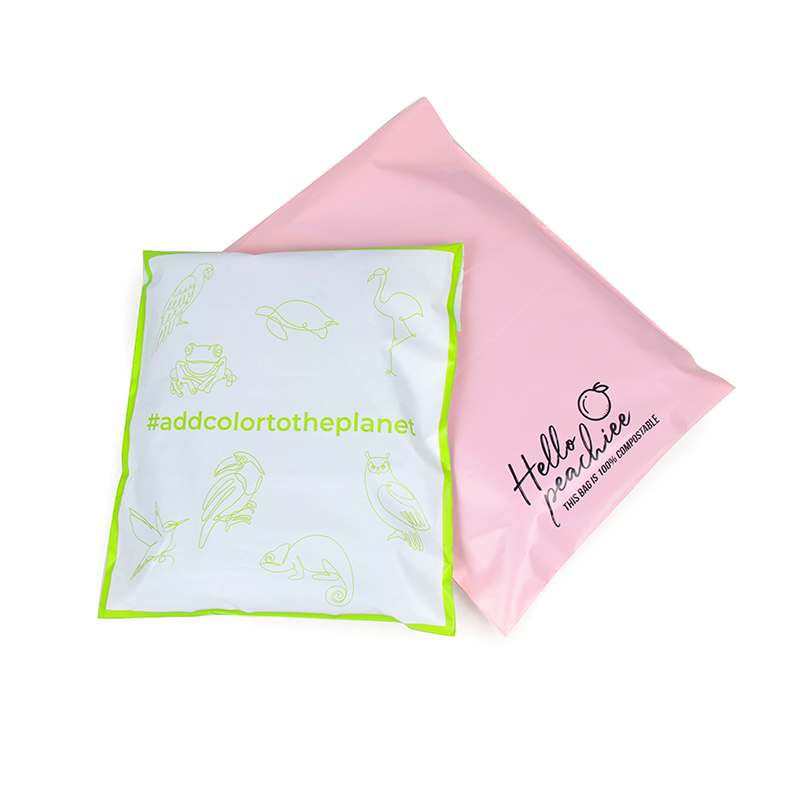
The FDXPACK Difference: Making the Right Eco-Choice
At FDXPACK, we offer a range of eco-degradable bags, and we emphasize certified compostable options because of their clear, verifiable environmental benefits. We believe in providing solutions that genuinely contribute to sustainability. When you work with us, we don't just ask if you want "eco-friendly" packaging; we delve into:
- Your product's specific needs: Does it require high barriers that can still be compostable?
- Your target market's infrastructure: Are industrial composting facilities available where your product is sold?
- Your brand's true message: How can your packaging authentically communicate your environmental commitment?
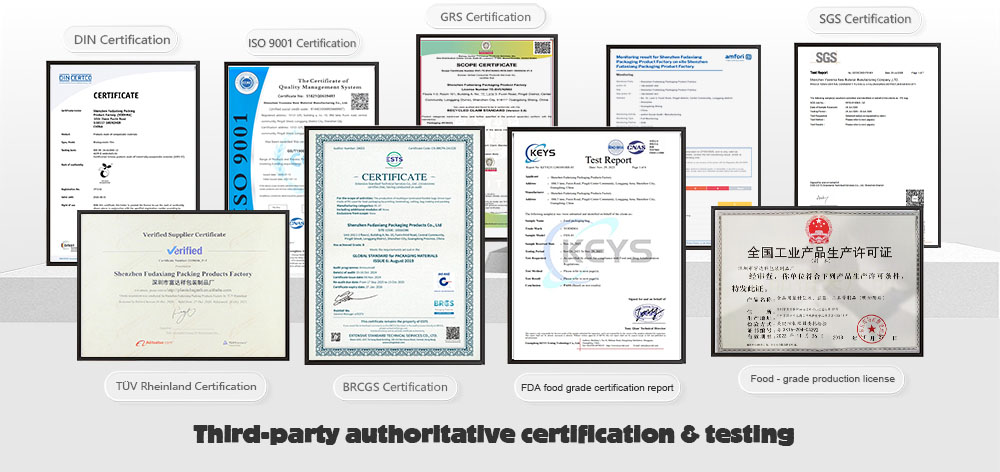
Our 17 years of experience mean we understand the nuances of material science and can guide you to a solution that is both high-quality and genuinely sustainable. All our packaging, including our eco-degradable options, adheres to our strict quality standards and is backed by our FDA and BRC food-grade certifications, ensuring safety and performance alongside environmental responsibility.
Key Considerations for Your Brand
Choosing between compostable and other sustainable options requires careful thought:
- Product Type: Delicate foods might need higher barrier properties that can be challenging for certain compostable films.
- Consumer Disposal Habits: If your consumers don't have access to composting facilities, even certified compostable packaging won't fulfill its purpose. Clear labeling and consumer education are crucial.
- Local Infrastructure: Research the waste management facilities in your key markets.
- Brand Messaging: Ensure your eco-claims are honest, transparent, and backed by verifiable certifications. Avoid ambiguous "biodegradable" statements without further clarification.
Ultimately, the goal is to choose packaging that truly minimizes environmental impact throughout its entire lifecycle. This might mean compostable, but it could also mean highly recyclable or packaging made from recycled content, depending on your unique circumstances.A Holistic View of Your Packaging's Lifecycle
True sustainable packaging goes beyond compostable vs. biodegradable — it requires a full lifecycle approach. At FDXPACK, we guide clients to focus on the 3 Rs: Reduce, Reuse, Recycle.
We help optimize material usage, explore reusable designs, and improve recyclability by simplifying structures.
A complete strategy also includes carbon footprint, manufacturing energy, and responsible sourcing. Sometimes a locally sourced, highly recyclable package can be more eco-friendly than a compostable one with high shipping emissions.
Navigating sustainable packaging can be complex, but clarity and the right partner make all the difference. Understanding the real differences between compostable and biodegradable packaging helps protect both your brand and the planet.
At FDXPACK, we provide high-quality, customized, truly sustainable flexible packaging solutions worldwide.
Contact Emma Xiao & the FDXPACK team:
Email: emma@fdxpack.com
Website: www.fdxpack.com