Hi, I’m Emma Xiao. With 17 years of experience in the packaging industry, I focus on custom flexible packaging solutions serving global clients worldwide.
The demand for sustainable packaging has grown rapidly, especially within the food sector. Many buyers feel confused by countless eco-related terms on the market.
I aim to sort out complicated industry jargon, share practical knowledge, and help you pick truly safe, reliable and eco-friendly stand-up pouches that fit your brand needs and product standards.https://fdxpack.com/
What "Sustainable" Really Means for Food Packaging Pouches
The term "sustainable" in packaging often gets misused. For food stand-up pouches, true sustainability means more than just a label; it encompasses the entire life cycle of the package, from raw material sourcing to end-of-life disposal. It means minimizing environmental impact at every stage. For FDXPACK, this involves rigorous material selection, efficient manufacturing processes, and a deep understanding of disposal infrastructures. For your brand, it means making informed choices that genuinely contribute to a healthier planet while maintaining product integrity and consumer safety. It's a complex balance, but it's one we navigate every day with our clients.
The Truth About Recyclable Mono-Material Stand-Up Pouches
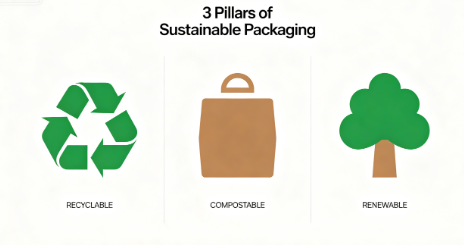
- The Core Recycling Problem of Traditional Flexible Packaging:For decades, mainstream flexible food packaging like stand-up pouches adopts multi-layer composite structures. Made of mixed plastics or aluminum foil, these layers provide great oxygen, moisture and light barrier to keep food fresh. However, multi-material designs cannot be easily separated and reprocessed, leading to high recycling costs and poor recyclability. This has long been the biggest sustainability pain point for food flexible packaging.
- Mono-Material Pouches: A Game-Changing Sustainable Solution Mono-material stand-up pouches have completely changed this situation. They are made of a single plastic material, usually PE or PP, which is fully compatible with existing municipal recycling systems. The key technical innovation is breaking the traditional trade-off: realizing professional food barrier performance with only one single material, without multi-layer compounding.
- Practical Truths About Recyclable Packaging:It is worth noting that mono-material pouches are technically recyclable, but actual recycling effectiveness depends on the local waste management infrastructure of your sales market. True circularity requires standardized consumer sorting and formal recycling processing. Brands need to clearly inform customers of correct disposal methods to maximize packaging recycling rates.
- Sustainable Design Without Compromising Food Safety:Modern mono-material packaging innovation focuses on circular design. It abandons hard-to-recycle composite structures while retaining excellent moisture and oxygen barrier capabilities. This eco-friendly solution perfectly balances food safety, product shelf life and brand sustainability demands, becoming the mainstream trend of food flexible packaging.
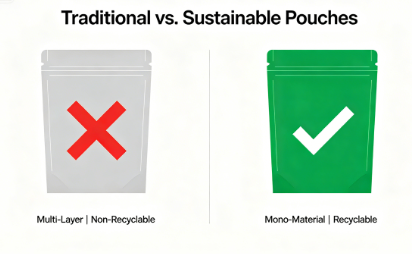
Compostable stand-up pouches offer another exciting avenue for sustainable food packaging, but they come with a distinct set of considerations. For a pouch to be truly "compostable," it must be certified to break down into organic matter, carbon dioxide, and water within a specific timeframe under industrial composting conditions, leaving no toxic residues. This process is driven by microorganisms and requires specific levels of heat, moisture, and oxygen found in commercial composting facilities. This is a very different end-of-life scenario compared to recycling.
While the idea of a pouch returning to the earth is appealing, the practical implementation for food brands requires careful thought. The primary challenge, as I frequently discuss with our clients, is the limited availability and accessibility of industrial composting infrastructure. If a compostable pouch ends up in a landfill, it may not decompose effectively due to a lack of oxygen, potentially releasing methane, a potent greenhouse gas. If it enters a recycling stream, it can contaminate it. Therefore, a truly successful compostable packaging strategy relies heavily on robust consumer education and the presence of accessible industrial composting facilities in the target region. At FDXPACK, we offer high-quality compostable pouch options, but we also emphasize the importance of understanding the disposal realities. We advise brands to assess their target markets thoroughly and consider how they will educate their consumers about proper disposal. This ensures that the environmental promise of compostable packaging is genuinely fulfilled, leading to a meaningful reduction in waste.The FDXPACK Difference: Quality, Safety & Certification in Sustainable Packaging
At FDXPACK, our 17 years of expertise are built on a foundation of quality. For food packaging, this commitment is amplified by our certifications. We hold both FDA food-grade certifications (ensuring our materials are safe for direct food contact as per U.S. standards) and BRC Global Standard for Packaging Materials certifications (a globally recognized benchmark for food safety and quality management in manufacturing). These aren't just badges; they represent rigorous, ongoing processes of auditing, quality control, and continuous improvement.
When you're choosing sustainable stand-up pouches, especially for food, these certifications are non-negotiable. They ensure that even as we innovate with PCR or mono-material structures, the fundamental safety and integrity of your product are never compromised. My team understands that the lowest price often comes at the expense of quality and safety. We focus on providing high-quality solutions that protect your brand and your consumers, giving you peace of mind. Whether you need stand-up pouches, 3-side seal, quad-seal, or middle seal bags, we apply these same stringent standards to every product.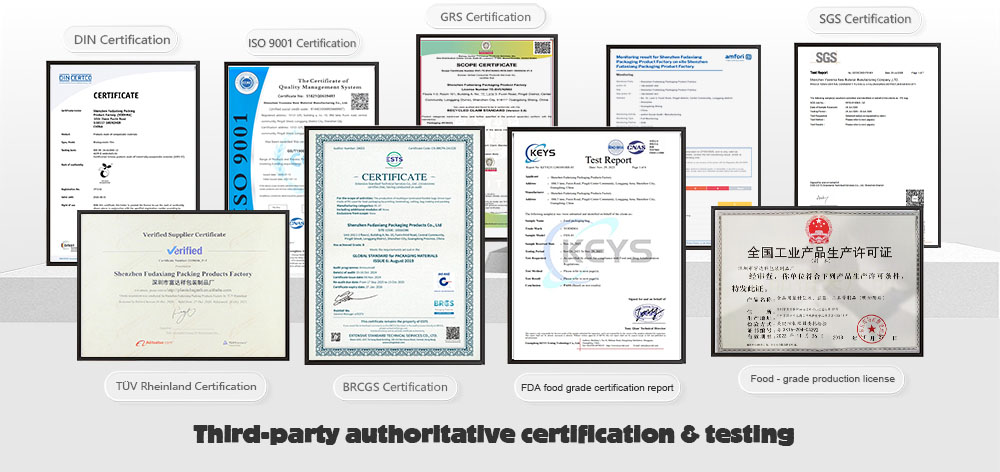
Designing Your Sustainable Pouch: More Than Just Material
True sustainability in packaging goes beyond just the material choice; it also involves smart design and efficiency. At FDXPACK, when we customize a stand-up pouch, we consider several factors to optimize its environmental footprint:
- Reduction: Can we reduce the overall material used without compromising protection? Often, optimized design can achieve this.
- Lightweighting: Lighter pouches mean lower shipping costs and reduced fuel consumption, contributing to a smaller carbon footprint throughout the supply chain.
- Optimal Protection: Ironically, excellent protective packaging is sustainable. If your food product spoils due to inadequate packaging, it's a far greater waste of resources than the packaging itself. Our high-barrier films ensure extended shelf life.
- Printing & Inks: We use eco-friendly, food-safe inks and efficient printing processes to minimize waste and environmental impact during production.
My experience shows that a holistic approach, combining responsible material selection with thoughtful design, yields the most impactful sustainable packaging solutions.Conclusion
Navigating the world of sustainable stand-up pouches for your food brand can seem daunting, but it doesn't have to be. Moving "beyond the buzzwords" means understanding the practical implications of recycled content, recyclable mono-materials, and compostable options. It means prioritizing safety and quality, backed by critical certifications like FDA and BRC. https://www.yoemma.com/At FDXPACK, we are committed to being your expert partner in this journey. With 17 years of experience and a steadfast focus on high-quality, custom solutions, we're here to help brand owners, large buyers, and traders make informed, impactful decisions. As Emma Xiao, I invite you to connect with us. Let’s collaborate to design stand-up pouches that not only protect your delicious food products but also champion your brand's commitment to a more sustainable future.