
Metallized film and aluminum foil are two key barrier solutions for protecting sensitive products like ground coffee.https://fdxpack.com/
The choice goes well beyond basic protection, directly impacting shelf life, flavor retention, cost, and the final look and feel of your packaging.https://fdxpack.com/high-barrier-packaging-manufacturer/
What is Aluminum Foil in Packaging?
Aluminum foil, in the context of flexible packaging, refers to a very thin sheet of aluminum metal. It's renowned for its exceptional barrier properties. When used in packaging, it's typically laminated with other plastic films (like PET, Nylon, or PE) to create a multi-layer structure. This lamination provides the necessary strength, sealability, and printability, while the aluminum foil layer delivers an absolute barrier against light, moisture, oxygen, and other gases. Its opaque nature completely blocks UV light, which is crucial for protecting sensitive products from degradation. Aluminum foil is a premium barrier material, often chosen for products requiring maximum shelf life and protection, such as pharmaceuticals, certain processed foods, coffee, and retort pouches. Its unique "dead-fold" characteristic means it retains its shape when creased, which can be beneficial for certain applications.

What is Metallized Film?
Metallized film is a plastic film (such as BOPP, PET, or CPP) that has a very thin layer of aluminum metal deposited onto one of its surfaces through a vacuum metallization process. This microscopic layer of aluminum provides significant barrier improvements over plain plastic film, offering enhanced protection against oxygen, moisture, and light. However, it's important to understand that this barrier is not absolute like solid aluminum foil. The metallized layer is typically only a few hundred angstroms thick, which is far thinner than aluminum foil. Metallized films are widely used in packaging for snacks, confectionery, coffee, and various dry goods where a good, but not necessarily absolute, barrier is required, alongside an attractive metallic sheen. They offer a more cost-effective and lighter-weight alternative to aluminum foil, while still providing a premium look and feel.

Key Differences: Metallized Film vs. Aluminum Foil
While both materials offer barrier properties and a metallic look, their fundamental differences dictate their optimal use in flexible packaging.
- Barrier Performance: Aluminum foil provides an absolute, impermeable barrier against gases, moisture, and light. Metallized film offers a good to excellent barrier, significantly better than plain plastic, but it is not absolute due to the microscopic thickness of the metal layer and potential pinholes.
- Opacity: Aluminum foil is completely opaque, blocking all light transmission. Metallized film is semi-transparent when held up to light, allowing some light to pass through.
- Flexibility & Crinkle: Aluminum foil has a "dead-fold" characteristic, meaning it retains its creased shape, and can be prone to pinholing with excessive flexing. Metallized film is more flexible and resilient, less prone to pinholing, and typically maintains the flexibility of its base plastic film.
- Cost & Weight: Metallized film is generally more cost-effective and lighter in weight than aluminum foil laminates, due to the minimal amount of aluminum used.
- Puncture Resistance: Aluminum foil, especially when very thin, can be more susceptible to tearing or puncturing than a robust multi-layer metallized film.
- Recyclability: Both are complex to recycle in multi-layer flexible structures, but efforts are underway for both. However, the higher metal content in foil laminates can sometimes make it more challenging.
Metallized Film vs. Aluminum Foil: A Comparative Table
To help our clients make an informed decision, here's a direct comparison of these two crucial barrier materials:
| Feature | Aluminum Foil | Metallized Film |
|---|---|---|
| Barrier to Oxygen | Absolute (0 WVTR, 0 OTR) | Good to Excellent (significant improvement over plain film) |
| Barrier to Moisture | Absolute (0 WVTR) | Good to Excellent (significant improvement over plain film) |
| Barrier to Light | Absolute (100% opaque) | Good (some light transmission possible) |
| Primary Material | Pure Aluminum metal | Plastic film (PET, BOPP, CPP) with a thin aluminum layer |
| Appearance | Dull or bright metallic, fully opaque | Bright, reflective metallic sheen, semi-transparent |
| Flexibility/Feel | Less flexible, "dead-fold," can crinkle/pinhole | More flexible, maintains film characteristics, less prone to pinholing |
| Cost (per unit) | Higher | Lower |
| Weight | Heavier (due to higher metal content) | Lighter |
| Puncture Resistance | Lower (can tear/pinhole easily if thin) | Higher (depends on base film and thickness) |
| Typical Applications | Pharmaceuticals, coffee, retort foods, sensitive chemicals | Snacks, confectionery, dry goods, non-retort coffee, pet food |
When to Choose Aluminum Foil
Choosing aluminum foil is generally recommended when your product demands the absolute highest level of protection and an extended shelf life, especially for very sensitive goods.
- Highly Sensitive Products: For items extremely vulnerable to oxygen, moisture, or light, such as certain pharmaceuticals, medical devices, or highly aromatic spices and flavors.
- Maximum Shelf Life: When the goal is to achieve the longest possible shelf life under varying environmental conditions, aluminum foil provides unparalleled barrier performance.
- Retort or Aseptic Processing: For products that undergo high-heat sterilization processes, the robust barrier of foil is often essential to maintain product integrity and safety.
- Premium Coffee & Tea: For specialty coffee and tea that rely heavily on preserving delicate aromas and flavors over time, foil provides the best protection against oxidation.
- Corrosive or Reactive Contents: For certain chemicals or industrial products where interaction with external elements must be completely prevented.
If your brand demands uncompromising product integrity, maximum shelf life, and protection against all environmental factors, aluminum foil is the superior choice, despite its higher cost.
When to Choose Metallized Film
Metallized film is an excellent choice when a good barrier is sufficient, cost-effectiveness is a priority, and visual appeal is important without the need for an absolute light or gas block.
- Cost-Effective Barrier: For products that require improved shelf life over plain plastic but don't need the absolute barrier of foil, metallized film offers a more economical solution.
- Attractive Aesthetics: The bright, metallic sheen of metallized film provides an eye-catching appearance, enhancing brand perception and shelf appeal for products like snacks, confectionery, or some dry food mixes.
- Reduced Weight & Material: It contributes to lighter packaging, which can lower transportation costs and reduce overall material consumption, aligning with sustainability goals.
- Good Light Protection: While not fully opaque, metallized film significantly reduces light transmission, protecting many products from UV degradation.
- Flexible & Durable: Its inherent flexibility and resistance to pinholing make it suitable for packaging that might undergo more handling or flexing.
If you are looking for a balance of good barrier properties, appealing aesthetics, and cost efficiency for products that are sensitive but not extremely fragile to environmental factors, metallized film is an ideal option.
FDXPACK's Expertise in Your Barrier Packaging Choice
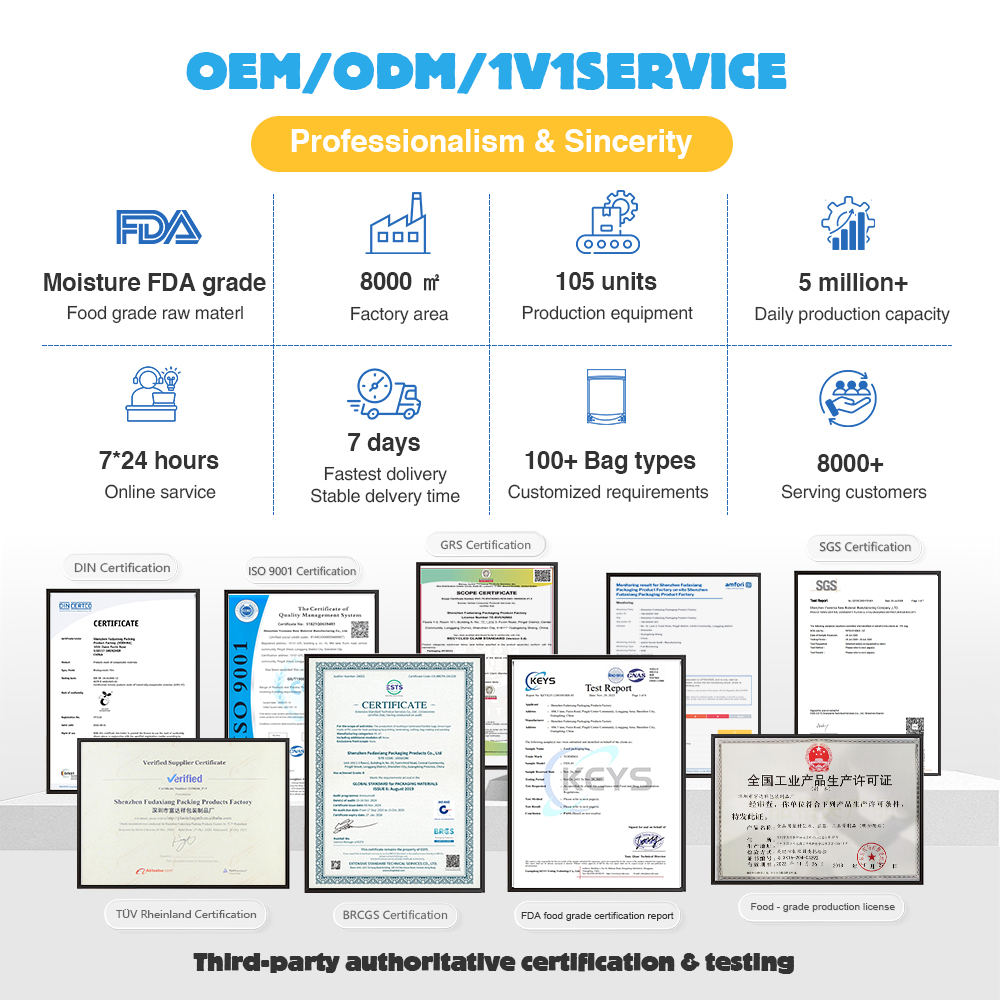
At FDXPACK, our 17 years of experience mean we are experts in guiding our clients through these complex material choices. As Emma Xiao, I work directly with brand owners, large buyers, and traders across North America, Europe, and Asia to ensure they select the perfect barrier solution for their specific products. We customize high-quality packaging bags, whether they require the absolute protection of aluminum foil laminates or the cost-effective, aesthetic appeal of metallized films. Our FDA and BRC food-grade certifications attest to our commitment to safety and quality, ensuring that your food bags, eco-degradable bags, or other packaging solutions meet the highest international standards. We understand that the right barrier is critical for preserving your product's quality, extending its shelf life, and ultimately, protecting your brand's reputation. We focus on delivering tailored quality, not just low prices.
Conclusion
The decision between metallized film and aluminum foil in flexible packaging is a strategic one, directly impacting your product's shelf life, quality, and market appeal. Aluminum foil offers an absolute, uncompromising barrier, making it the ideal choice for highly sensitive products requiring maximum protection. Metallized film, on the other hand, provides a robust, cost-effective barrier with attractive aesthetics, suitable for a wider range of products where absolute impermeability isn't strictly necessary. By carefully weighing your product's specific needs, target shelf life, budget, and desired visual presentation, you can make an informed choice. Partnering with an experienced and quality-focused manufacturer like FDXPACK ensures that your chosen material is expertly converted into high-performance packaging that safeguards your product and elevates your brand.https://www.yoemma.com/
For expert guidance on selecting and customizing the ideal barrier packaging solution for your products, please reach out.
Email: emma@fdxpack.com
Website: www.fdxpack.com