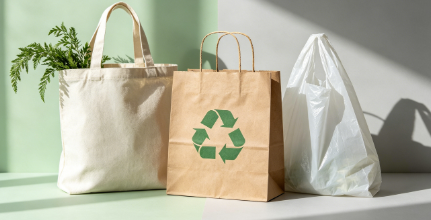
With 17 years in packaging, I’ve seen shopping bags turn into symbols of brand sustainability.
Plastic once ruled for low cost, but brands now want bags practical, attractive and eco-friendly.Customer needs and new rules push the industry to focus on packaging’s full environmental footprint.https://fdxpack.com/
1. The Rise of Reusable Shopping Bags
Rising Popularity of Reusable Packaging
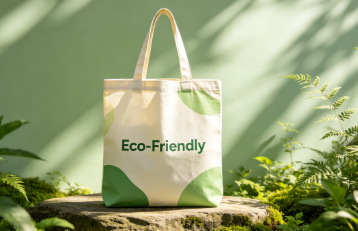
Reusable bags stand out as the industry’s leading trend, replacing disposable singles with long-lasting styles crafted from non-woven fabric, recycled PET, cotton and jute.
Dual Value: Brand Promotion & Daily Fashion
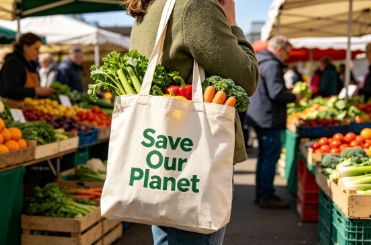
Custom printed reusable bags work as mobile brand ads outside stores. Many retailers sell affordable stylish versions or reward customers bringing personal bags, turning them into popular daily accessories.
Eco & Business Benefits
More frequent reuse cuts each bag’s carbon footprint and trash output. For brands, these items build green reputations and tighten long-term customer connections.
2. The Push for Recyclable Shopping Bags
Recyclable Single-Use Bags Fill Practical Gaps
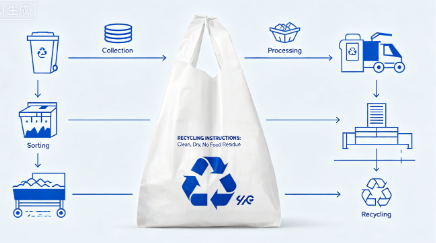
Reusable bags don’t fit every shopping scene, so recyclable single-use packaging has become a practical substitute. Main choices cover recycled HDPE/LDPE plastic with PCR raw material and standard paper bags.
Mono-Material Design Boosts Recycling Efficiency
Good recyclable packaging is built to match current waste processing systems. Many brands switch from mixed-material constructions to single-component designs and add explicit recycling guides on packaging for proper consumer disposal.
Cut Waste to Build Circular Packaging
Optimized recyclable packaging lessens landfill trash and reliance on brand-new raw materials, helping businesses deliver real sustainability results and push forward circular economy development.
3. Embracing Biodegradable and Compostable Bags
Compostable & Biodegradable Bags as Eco Alternatives
Biodegradable and compostable packaging grows popular for short-shelf-life goods and areas with mature waste disposal. Such bags decompose naturally into harmless organic substances and ease pollution risk when improperly discarded.
Key Distinction Between Two Material Types
Biodegradable items break down under regular natural conditions, yet compostable variants need industrial compost settings to fully degrade. They cannot all rot in household compost, so brands need to inform buyers of this difference.
Standard Certifications Validate Authentic Eco Claims
I assist clients in meeting global standards including ASTM D6400 and EN 13432. Formal certifications back up green labeling, avoid false eco-marketing and curb microplastic and landfill waste issues.
4. The Resurgence of Paper Shopping Bags
Paper Bags Make a Market Comeback
Thanks to eco perks and premium texture, paper bags are bouncing back after being overtaken by plastic. Most new versions use recycled pulp or timber from FSC-certified sustainable forests, naturally biodegradable and easy to recycle.
Great Branding Value for High-End Businesses
Paper’s natural surface supports refined custom printing. Luxury shops, organic grocers and fashion labels favor it to match their upscale, eco-focused brand positioning.
Material Upgrades Fix Traditional Weaknesses
Paper falls short against plastic on waterproof and tear resistance, yet updated production tech boosts its sturdiness, making it a viable pick for most regular packaging needs.
Conclusion
Shopping bag shifts mirror changing needs of brands and shoppers. Reusable, recyclable, compostable and custom paper options now dominate the industry.
No single packaging suits all cases; final choices balance eco performance, functionality, cost and brand image.
Sustainability has become mandatory rather than optional. Brands following these trends help build a greener future step by step.https://www.yoemma.com/
Email: emma@fdxpack.com
Website: www.fdxpack.com