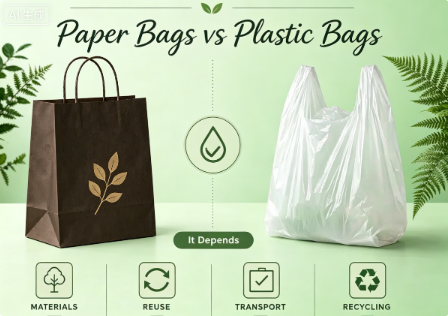
I’m Emma Xiao, with 17 years in packaging. Many clients struggle picking between paper and plastic bags.One large supermarket once hesitated: shoppers wanted eco paper, yet plastic works better practically.No one-size-fits-all pick; each material has its own merits.https://fdxpack.com/
The Case for Paper Bags
Paper bags often carry an immediate perception of being "greener" or more environmentally friendly. This perception is rooted in several key characteristics that make them appealing to both businesses and consumers.
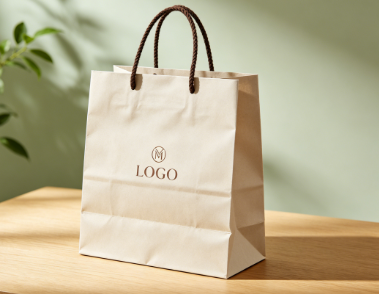
Environmentally Friendly Perceptions and Realities:Paper bags are sourced from renewable wood pulp, recyclable and biodegradable, decomposing easily in landfills versus long-lasting plastic.Their natural texture appeals to eco-focused buyers and lifts brand green reputation, especially when sourced from certified sustainable forests.
Recyclability and Biodegradability:Paper bags recycle smoothly via regular paper waste channels and break down naturally outdoors.
They cut landfill waste and litter risks, letting brands highlight eco-friendly circular packaging to eco-minded buyers.
Brand Image and Aesthetic Appeal:Paper’s matte natural texture suits premium branding well.It supports vivid detailed printing to lift product grade, feels more upscale than plastic.Custom printed paper bags improve shopping experience and boost customer loyalty.
Drawbacks of Paper Bags:Paper bags have obvious drawbacks. They turn weak and rip when damp, unsuitable for wet or heavy goods.Their production uses more water and power, plus they’re bulkier and cost more to store and ship than plastic.
The Case for Plastic Bags
Plastic bags, despite their often-negative reputation, possess a set of practical advantages that have made them ubiquitous in global commerce.
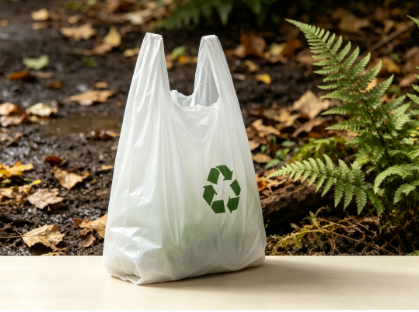
Durability and Practicality:Plastic bags are tough and waterproof, holding heavy or damp goods without tearing.Lightweight and reusable, they cut product damage for retailers and stay widely used.
Cost-Effectiveness and Resource Efficiency:Plastic costs less to make and ship than paper. Less water and energy go into production, and their compact build saves storage and delivery expenses, fitting budget-focused retailers well.
Drawbacks of Plastic Bags:Regular plastic bags hardly decompose and pollute land and seas for centuries, harming wildlife.Most can’t be recycled smoothly, plus fossil-fuel production boosts emissions, leading many regions to restrict plastic use.
The Nuance: Which is "Better"?
Neither paper nor plastic is universally superior; each has pros and cons across production and waste.Paper uses more resources to make yet decomposes easily, while plastic saves manufacturing costs but lingers in nature long-term.
Usage frequency also matters: repeatedly reused plastic often outperforms single-use paper.
New eco materials keep updating options, so cutting waste and reusing bags beats picking one material blindly.
Conclusion
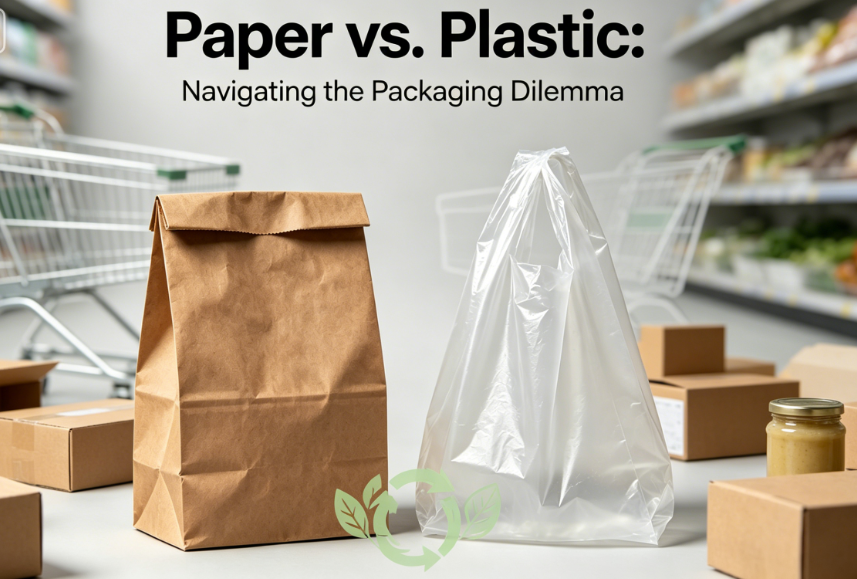
Paper and plastic bags each carry distinct pros and cons with no clear winner.
Paper biodegrades easily and elevates brand eco-image, yet consumes more resources to produce and tears easily when wet.
Plastic is waterproof, durable and budget-friendly for mass orders, but lingers in nature for ages and struggles with recycling.
True sustainable packaging focuses on cutting single-use waste and boosting reuse instead of picking one material blindly.
I can help you select matched packaging per your product and brand positioning, feel free to consult anytime.https://www.yoemma.com/
Email: emma@fdxpack.com
Website: www.fdxpack.com