In my 17 years at FDXPACK, I've seen firsthand how crucial packaging design is, and a huge part of that is the printing method chosen. As Emma Xiao, I've guided countless brand owners through the decision-making process, often boiling down to a fundamental question: Rotogravure or Digital? I remember a startup client with a fantastic new organic snack product. They needed beautiful, vibrant packaging but only in smaller quantities to test the market. Initially, they thought high quality meant high cost and huge orders. We explained how digital printing could give them the premium look they desired without the massive upfront investment in plates. Conversely, for a large, established pet food brand looking to refresh their packaging for a national rollout, rotogravure was the clear choice due to its consistency and cost-effectiveness at scale. Understanding the nuances between these two powerful printing technologies is key to making an informed decision that truly elevates your product and brand.https://fdxpack.com/
What is Rotogravure Printing?
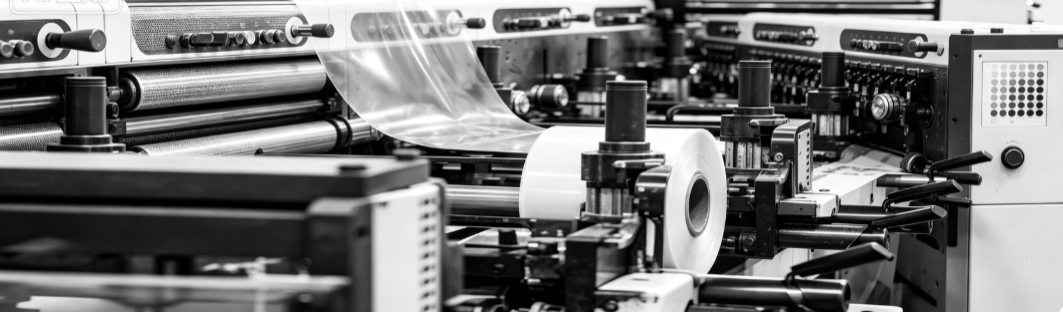
Rotogravure printing, often simply called gravure, is a high-quality printing process that uses engraved cylinders to transfer ink onto the packaging material. Each color in the design (typically CMYK plus spot colors) has its own cylinder, where the image is etched into the surface in tiny cells of varying depth. Deeper cells hold more ink, resulting in darker tones, while shallower cells produce lighter tones. As the substrate (like plastic film) passes between the impression cylinder and the engraved cylinder, ink is picked up from the cells and transferred directly. This method is renowned for its exceptional print quality, vibrant colors, and consistency, especially over long print runs. It's the go-to choice for large-volume orders where consistent branding and high-fidelity images are paramount.
What is Digital Printing?
Digital printing for flexible packaging operates much like an advanced office printer, but on an industrial scale. It uses digital files directly to apply ink to the substrate without the need for printing plates or engraved cylinders. Instead, it employs technologies like inkjet or laser printing. This "direct-to-print" approach means that each impression can be unique, allowing for variable data printing, personalization, and rapid design changes. Digital printing excels in flexibility, speed to market, and cost-effectiveness for short to medium print runs. It's a game-changer for startups, seasonal products, promotional campaigns, or brands that need to test multiple designs without significant upfront investment.
Key Differences: Setup Costs and Minimum Order Quantity (MOQ)
One of the most significant distinctions between rotogravure and digital printing lies in their setup costs and minimum order quantities. Rotogravure requires a substantial initial investment in engraving cylinders, one for each color. These cylinders are durable and can be reused for millions of impressions, making the per-unit cost very low for massive runs. However, for smaller orders, the upfront cylinder cost makes it prohibitively expensive. This leads to high MOQs, typically hundreds of thousands or even millions of units. Digital printing, on the other hand, eliminates the need for plates or cylinders entirely. This means there are virtually no setup costs, allowing for much lower MOQs, often just a few thousand units. This makes digital printing incredibly attractive for small businesses, product launches, or limited-edition runs.
Key Differences: Print Quality and Color Consistency
Both methods can achieve high-quality results, but they have different strengths. Rotogravure is celebrated for its superior print quality, particularly for fine details, smooth gradients, and vibrant, consistent colors across millions of units. The etched cells ensure precise ink transfer, resulting in rich, dense colors and excellent image reproduction, making it ideal for photographic images and complex artwork. Digital printing has made immense strides in quality and can produce stunning graphics with sharp details and a wide color gamut. However, achieving the exact same level of color consistency and density as rotogravure over extremely long runs can sometimes be a challenge, though advancements are rapidly closing this gap. For most applications, digital quality is more than sufficient and often indistinguishable to the average consumer.
Key Differences: Lead Times and Flexibility
Lead time and flexibility are critical factors for brands, especially in fast-paced markets. Rotogravure printing involves a longer lead time due to the time required for cylinder engraving and press setup. Once the cylinders are made, however, the printing itself is very fast. Any design changes or updates require new cylinders, which is both time-consuming and costly. Digital printing offers significantly shorter lead times because it prints directly from a digital file. This allows for rapid prototyping, quick revisions, and faster speed to market. Brands can make design tweaks on the fly, run multiple variations, or respond quickly to market trends without incurring additional plate costs or delays. This flexibility is a major advantage for dynamic brands.
When to Choose Rotogravure Printing
Rotogravure printing is the optimal choice for brands that require extremely large print runs (typically over 100,000 to 200,000 units), demand the absolute highest print quality and color consistency over millions of packages, and have stable designs that won't change frequently. It's ideal for established products with high market penetration, national or international distribution, and a need for the lowest possible per-unit cost on a massive scale. Think of major consumer packaged goods (CPG) brands, large-scale food manufacturers, or products with very long shelf lives and consistent branding requirements. If your product is a staple item that sells in vast quantities and requires premium, consistent visuals, rotogravure is likely your best bet.
When to Choose Digital Printing
Digital printing is perfectly suited for brands that need shorter print runs (from a few thousand to tens of thousands of units), desire rapid turnaround times, require flexibility for design changes or multiple SKUs, or want to explore variable data printing for personalization. It's an excellent option for startups, small to medium-sized businesses, seasonal products, promotional campaigns, limited editions, or brands that frequently update their packaging. If you need to test market a new product, offer custom designs, or simply don't want to commit to massive quantities and upfront plate costs, digital printing provides an agile and cost-effective solution without compromising on quality.
FDXPACK's Approach to Printing Solutions
At FDXPACK, with our 17 years of experience, we understand that choosing the right printing method is a strategic decision that impacts everything from budget to brand perception. We offer both rotogravure and digital printing capabilities, allowing us to provide the most suitable solution for each client's unique needs. We don't push one over the other; instead, we consult with brand owners, large buyers, and traders across North America, Europe, and Asia to understand their specific requirements regarding volume, design complexity, lead time, and budget. Our goal is to deliver high-quality, customized packaging that not only looks exceptional but also aligns perfectly with your business strategy, ensuring your product stands out and succeeds in the market. Our FDA and BRC food-grade certifications apply regardless of the printing method, guaranteeing safety and quality.
Conclusion
The choice between rotogravure and digital printing for flexible packaging is not about which method is inherently "better," but rather which is "better for your brand" given its specific stage, needs, and goals. Rotogravure offers unparalleled quality and cost-efficiency for high-volume, stable designs, while digital printing provides incredible flexibility, speed, and cost-effectiveness for shorter runs and dynamic branding. By carefully considering your print volume, desired lead times, budget constraints, and the need for design adaptability, you can make an informed decision that ensures your packaging perfectly reflects your brand's identity and effectively captures consumer attention on the shelf.
For personalized guidance on selecting the ideal printing method and packaging solution for your products, please reach out.https://www.yoemma.com/
Email: emma@fdxpack.com
Website: www.fdxpack.com