With 17 years of packaging experience at FDXPACK serving global brands, I’ve helped countless businesses pick reliable, high-performance packaging solutions.
Green packaging markets are full of misleading claims. Simply labeling products “biodegradable” means very little. This guide teaches buyers how to tell authentic eco-friendly packaging apart from false marketing and make trustworthy, sustainable choices.https://fdxpack.com/
Understanding the "Biodegradable" Claim: More Than Just a Buzzword
Brands misuse the word "biodegradable" for marketing, confusing buyers.
It only means microbes can break the material down, yet most such bags only degrade under strict factory compost rules, not regular landfills.
Lots of items carry this label just for greenwashing without real eco benefits.
Trust only products with official third-party test certifications to avoid false eco packaging.
The Pitfalls of "Greenwashing" in Biodegradable Packaging
Greenwashing means brands falsely advertise eco-friendly packaging.
Many plastic bags marked biodegradable lack official standards. Some just split into tiny microplastics instead of fully decomposing, worsening pollution.
These fake eco packs trick environmentally minded shoppers and ruin the reputation of real sustainable packaging.
Using uncertified bags risks customer distrust and regulatory trouble, so buyers must carefully verify packaging credentials.
Key Indicators of Genuine Biodegradable Plastic Bags
Navigating the market for biodegradable plastic bags requires a sharp eye and an understanding of what truly constitutes a genuine product. Don't rely solely on vague claims; look for concrete evidence.
1. Third-Party Certifications: Your Best Defense
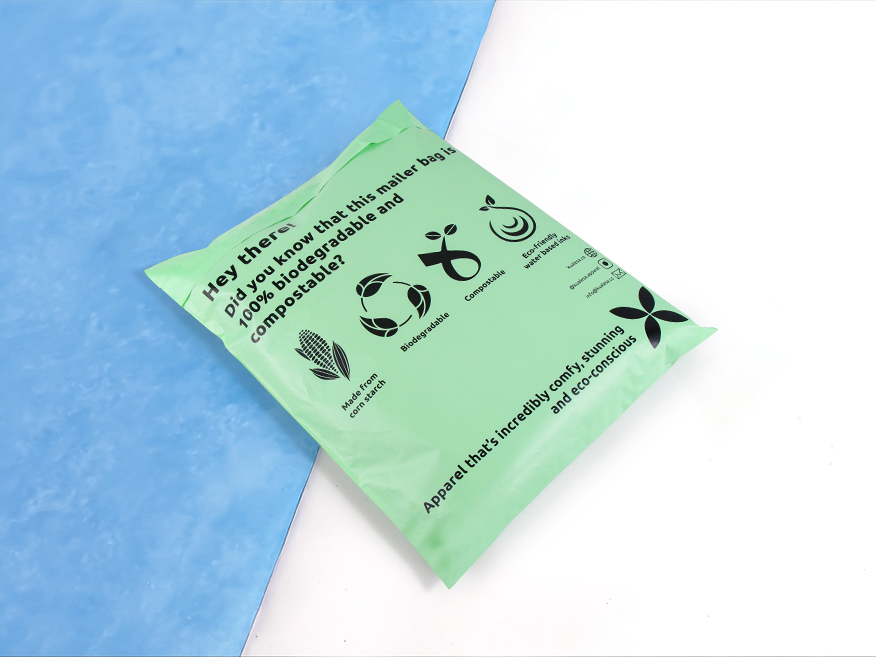
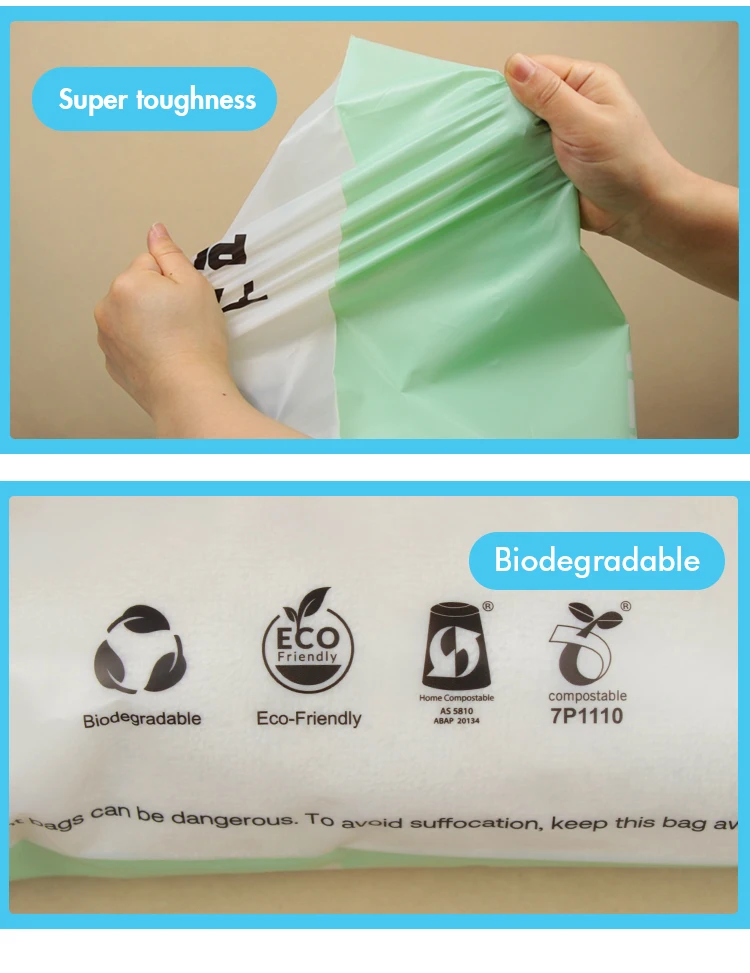
The single most reliable way to identify genuine biodegradable plastic bags is through third-party certifications. These certifications are issued by independent organizations that rigorously test and verify products against established international standards for biodegradability. They provide an unbiased guarantee that a product will indeed break down under specific conditions and within a certain timeframe, leaving no harmful residues. Some of the most recognized certifications include:
- ASTM D6400 (North America): This standard specifies requirements for plastics designed to be composted aerobically in municipal or industrial facilities.
- EN 13432 (Europe): Similar to ASTM D6400, this European standard details the requirements for packaging recoverable through composting and biodegradation.
- BPI (Biodegradable Products Institute): A leading certification body in North America that certifies products meeting ASTM D6400. Products carrying the BPI logo are verified to be compostable in industrial facilities.
- TÜV AUSTRIA (OK Compost INDUSTRIAL/HOME): This certification body offers various labels, including "OK Compost INDUSTRIAL" (for industrial composting facilities) and "OK Compost HOME" (for home composting environments). The "HOME" certification is particularly stringent as home composting conditions are less controlled.
When you see these logos or standards explicitly mentioned, it means the product has undergone scientific testing and verification. Always ask your supplier for copies of these certificates, not just the claim. This is your strongest defense against greenwashing and ensures you are investing in truly eco-friendly solutions that will perform as promised, aligning with your brand's sustainability goals and customer expectations.
2. Material Composition: What's Inside Matters
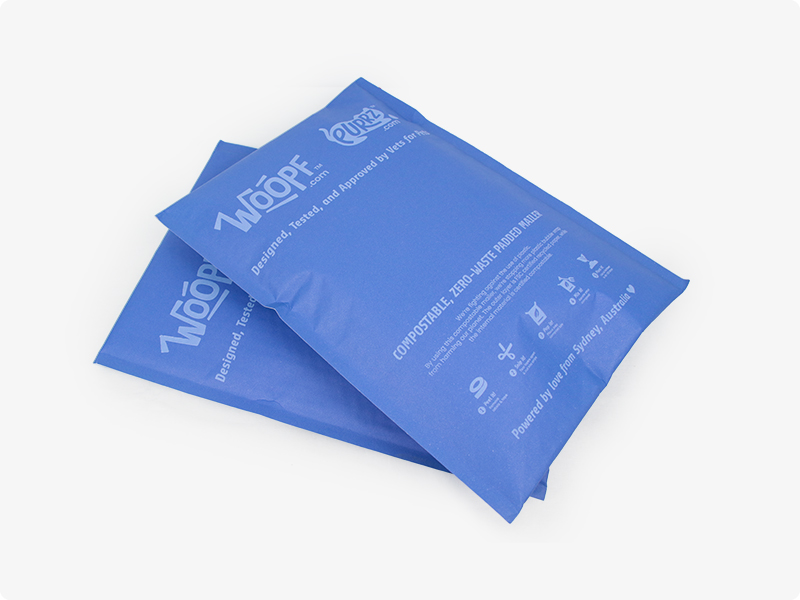
Understanding the material composition of a "biodegradable" bag is crucial, as it directly impacts its ability to genuinely break down. Genuine biodegradable bags are typically made from bio-based polymers derived from renewable resources like plant starches (e.g., corn, potato, tapioca), cellulose, or other natural polymers. Common examples of these include:
- PLA (Polylactic Acid): Derived from fermented plant starch, PLA is a popular choice for compostable bags and films.
- PBAT (Polybutylene Adipate Terephthalate): A petroleum-based but fully biodegradable polymer often blended with PLA to improve flexibility.
- PHA (Polyhydroxyalkanoates): Produced by microorganisms, PHAs are fully biodegradable and can be composted.
Conversely, be wary of bags made from conventional plastics (like PE or PP) that claim to be "biodegradable" due to the addition of oxo-degradable additives. These additives cause the plastic to fragment into tiny pieces when exposed to oxygen and UV light, but these fragments are still plastic and do not genuinely biodegrade into natural substances. They simply become microplastics, which are a growing environmental concern. Always inquire about the specific polymers used in the bag's construction. A transparent supplier should be able to provide a detailed material data sheet or specification. At FDXPACK, we ensure that our eco-degradable bag options are clearly defined by their composition, allowing our clients to make informed choices with full transparency about the materials they are using.3. Supplier Transparency and Reputation
Choosing a supplier with a strong reputation for transparency and quality is paramount when sourcing biodegradable bags. A reputable manufacturer will not only provide the necessary certifications but will also be able to clearly explain the material composition, the conditions required for degradation, and any limitations of their product. They should be knowledgeable about the relevant standards (ASTM D6400, EN 13432) and willing to discuss the science behind their claims. Be wary of suppliers who offer vague answers, refuse to provide certification documents, or make claims that sound too good to be true (e.g., "biodegradable in landfills" without further explanation). A supplier that prioritizes quality, like FDXPACK, will have established quality control processes and potentially hold other relevant certifications (like FDA and BRC for food-grade packaging), which indicate a broader commitment to high standards across all their products, including sustainable options. Building a long-term relationship with a trustworthy manufacturer who understands your sustainability goals is far more valuable than simply chasing the lowest price, as it ensures consistent quality and genuine eco-friendly solutions.
4. Clear Labeling and Disposal Instructions
Genuine biodegradable plastic bags should come with clear and unambiguous labeling, not just on the product itself but also in the accompanying product information. This labeling should not only state that the bag is biodegradable but also specify the certification it adheres to (e.g., "Certified Compostable by BPI," "Meets EN 13432 standards"). Crucially, it should also include explicit disposal instructions. For instance, if a bag is only compostable in industrial facilities, the label should clearly state this, perhaps with a symbol indicating industrial composting. If it's home compostable, that should also be specified. Vague instructions like "dispose of responsibly" or "environmentally friendly" without specific guidance are red flags. A responsible manufacturer understands that the effectiveness of their biodegradable product depends heavily on proper disposal by the end-user. Therefore, they will provide concise, easy-to-understand information to guide consumers to the correct waste stream. This commitment to clear communication helps prevent contamination of recycling streams and ensures the bag actually fulfills its intended end-of-life cycle, reinforcing your brand's integrity and commitment to genuine sustainability.
What Questions to Ask Your Supplier
When engaging with a potential supplier for biodegradable plastic bags, prepare a list of targeted questions to ensure you're getting a genuine product. This proactive approach will help you cut through marketing fluff and get to the verifiable facts.
Dive Deeper: Essential Inquiries for Verifying Biodegradability
To truly verify the biodegradability claims of a supplier, you need to ask precise and probing questions. First and foremost, inquire about specific certifications: "Which third-party certifications (e.g., BPI, TÜV AUSTRIA, ASTM D6400, EN 13432) do your biodegradable bags hold, and can you provide copies of these certificates?" This is non-negotiable. Next, delve into the material composition: "What specific polymers or materials are your biodegradable bags made from? Are they plant-based, petroleum-based biodegradable, or oxo-degradable?" A transparent answer should specify materials like PLA, PBAT, or PHA, and firmly reject oxo-degradable additives. Clarify the degradation conditions: "Under what conditions are these bags designed to biodegrade? Are they industrially compostable, home compostable, or marine biodegradable, and what is the typical timeframe for degradation under those conditions?" This will help you understand if the product aligns with the disposal options available to your customers. Ask about shelf life and storage: "What is the recommended shelf life for these bags before use, and what are the optimal storage conditions to prevent premature degradation?" This is vital for logistics and inventory management. Finally, inquire about testing and quality control: "What internal testing or quality control measures do you have in place to ensure the consistency of biodegradability for each batch?" A reputable supplier will have robust processes, often backed by their own internal certifications or adherence to broader quality standards like FDA and BRC, as is the case at FDXPACK, demonstrating a comprehensive commitment to product integrity.
Conclusion
The journey to genuinely sustainable packaging is complex, but identifying authentic biodegradable plastic bags is a critical step. By understanding the nuances of the "biodegradable" claim, recognizing the dangers of greenwashing, and focusing on verifiable indicators like third-party certifications, material composition, supplier transparency, and clear labeling, you can make informed decisions. Your choice of packaging reflects your brand's commitment to the environment and directly impacts consumer trust. Investing in certified, high-quality biodegradable bags not only fulfills your sustainability goals but also safeguards your brand's reputation and contributes to a healthier planet.
For expert guidance in navigating your sustainable packaging choices, including high-quality eco-degradable bags and other custom solutions that align with stringent quality standards, please reach out to FDXPACK.https://www.yoemma.com/
Email: emma@fdxpack.com
Website: www.fdxpack.com