Pouch packaging is key to protecting products and building brand appeal. Stand-up pouches and flat-bottom pouches are two of the most popular choices, but their different structures bring unique benefits and best uses.
Choosing the right one matters for your product’s presentation, protection, and market performance. Let’s break down their differences to help you pick what fits your brand.https://fdxpack.com/
1. Understanding the Stand-Up Pouch (Doypack): The Retail Staple
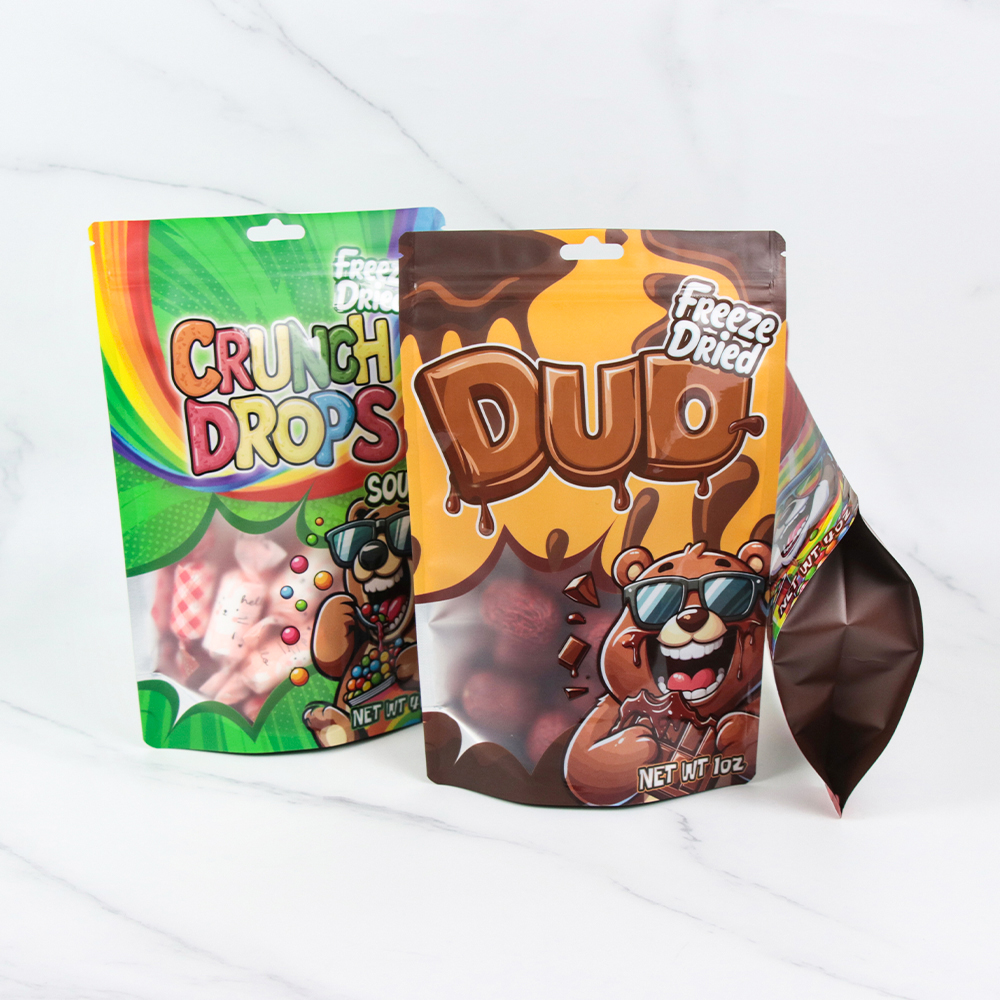
The stand-up pouch, often referred to as a Doypack, is perhaps the most recognizable form of flexible packaging on store shelves today. Its defining characteristic is its ability to stand upright, even when empty, thanks to a specially designed bottom gusset. This gusset expands when the pouch is filled, creating a stable base.
Structurally, a typical stand-up pouch features two main panels (front and back) and seals along the sides and top. The bottom gusset can be either a 'plow bottom' (where the bottom folds inward) or a 'K-seal' (where the bottom corners are folded and sealed in a K-shape) or round bottom gusset. This design makes it highly versatile for a wide range of products, including snacks, coffee, pet food, liquids, and powders. Its familiar shape and functionality contribute to its widespread consumer acceptance. Furthermore, stand-up pouches are highly customizable, frequently incorporating features like resealable zippers, tear notches, and spouts, enhancing consumer convenience and product preservation.
2. Exploring the Flat-Bottom Pouch: The Premium Performer
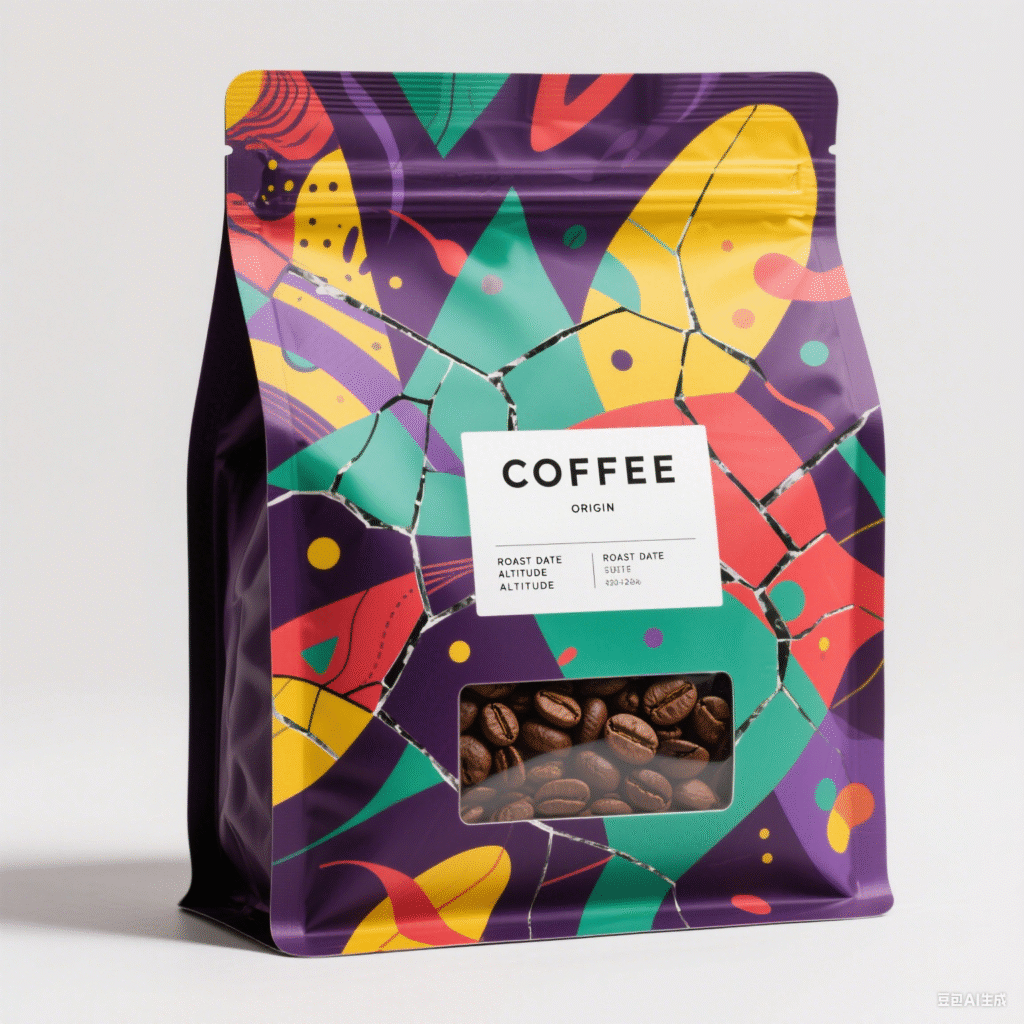
The flat-bottom pouch, sometimes called a box pouch or block bottom pouch, represents a more advanced structural design in flexible packaging. Unlike the stand-up pouch's oval bottom gusset, the flat-bottom pouch features five distinct panels: a front, back, two side gussets, and a completely flat, rectangular bottom panel. This construction creates a rigid, box-like base that offers exceptional stability.
This enhanced stability allows the flat-bottom pouch to stand perfectly upright, even when completely empty or only partially filled, making it an excellent choice for heavier or bulkier products. The side gussets provide additional printable surface area, effectively creating a "fifth panel" for branding and product information, maximizing shelf impact. Flat-bottom pouches often convey a premium aesthetic, making them popular for high-end coffee, specialty grains, gourmet snacks, and large-format pet food. Their robust structure also facilitates easier scooping and pouring for consumers, contributing to a superior user experience.
Engineering Superior Stability and Shelf Impact with Flat-Bottom Pouches
Flat-bottom pouches are a step up from traditional flexible packaging.
Its unique multi-panel design creates a wide, stable base, so it stands upright better than regular stand-up pouches. That means it stays neat on shelves even after partial use.
The extra side panels also give you more space for branding, product info, and eye-catching graphics, like a 5-sided billboard for your product.
If you’re switching from rigid boxes, flat-bottom pouches offer a lighter, more flexible option with similar structure and visual appeal — plus all the cost and shipping benefits of flexible packaging.
3. Direct Comparison: Stand-Up Pouch vs. Flat-Bottom Pouch
When choosing between these two popular pouch types, a direct comparison of their attributes reveals key differences that can significantly influence your packaging decision.
| Feature | Stand-Up Pouch (Doypack) | Flat-Bottom Pouch (Box Pouch) |
|---|---|---|
| Structure | Two main panels, bottom gusset (oval/K-seal), 3-side seals. | Five panels (front, back, two sides, flat bottom), side gussets. |
| Shelf Stability | Stands upright well, but can be less stable when partially empty or for heavier products. | Superior stability, stands perfectly upright and rigid, even when partially full. |
| Material Usage | Generally more material-efficient for its capacity. | Can use more material due to complex structure, but optimizes capacity for footprint. |
| Visual Impact | Strong front-facing branding, familiar, versatile. | Premium, box-like appearance, 5 printable surfaces, strong shelf presence. |
| Filling | Can be top-filled or spout-filled. | Typically top-filled, often with a wider opening. |
| Cost | Generally lower cost per unit, simpler manufacturing. | Often higher cost per unit due to complex construction. |
| Consumer Exp. | Familiar, often resealable, good for various products. | Premium feel, easy to scoop, less prone to tipping, often perceived as higher value. |
| Ideal Products | Snacks, coffee, pet treats, liquids, powders. | Premium coffee, bulk grains, pet food, granola, specialty foods. |
Ultimately, both are excellent flexible packaging solutions, but their nuanced differences make one a better fit than the other depending on specific product and market requirements.
4. Key Factors in Making Your Choice
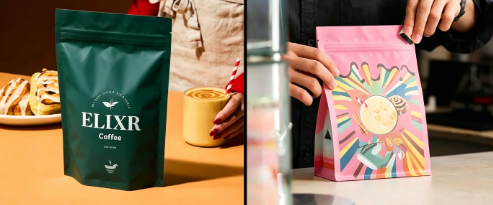
Selecting the ideal pouch for your product requires a comprehensive evaluation of several interconnected factors. There is no single "best" option; rather, the optimal choice is the one that best aligns with your specific product, brand, and business objectives.
- Product Characteristics: Consider the product's weight, viscosity (for liquids), texture (for solids/powders), and sensitivity to environmental factors. Heavy or granular products might benefit more from the flat-bottom pouch's stability, while lighter, single-serve items might be perfectly suited for a stand-up pouch.
- Brand Positioning & Aesthetics: Does your brand aim for a mass-market appeal or a premium, high-end image? The flat-bottom pouch often commands a higher perceived value due to its robust structure and extensive branding opportunities. The stand-up pouch offers a classic, approachable look.
- Shelf Presence & Retail Environment: How will your product be displayed? In a crowded aisle, the flat-bottom pouch's rigid, box-like stance can make it stand out more prominently. Both offer good front-facing branding, but the flat-bottom's additional printable surfaces provide more visual real estate.
- Filling and Sealing Capabilities: Evaluate your current or planned production line. While both types can be automated, the more complex structure of the flat-bottom pouch may require specialized machinery or adjustments to existing equipment.
- Budget Considerations: Generally, stand-up pouches have a lower unit cost due to simpler manufacturing. Flat-bottom pouches, with their intricate construction, typically come at a higher price point. This must be weighed against the perceived value and market positioning.
- Consumer Experience: How do you want consumers to interact with your packaging? Is easy scooping important? Or is a simple tear-and-reseal sufficient? The flat-bottom pouch often provides a more satisfying and convenient experience for bulk products.
A thorough assessment of these factors will illuminate the most effective pouch solution for your product's journey from production to consumer.Conclusion
Stand-up pouches and flat-bottom pouches are both great flexible packaging choices, each with clear strengths.
Stand-up pouches are cost-effective and widely used for all kinds of products. Flat-bottom pouches, however, offer better stability, a premium look, and more branding space — perfect for high-end or bulky goods where shelf impact matters most.
There’s no one-size-fits-all answer. The right pick depends on your product needs, brand positioning, production process, and budget. Think about product type, shelf display, filling efficiency, and cost, and you’ll find the pouch that protects your goods, attracts customers, and helps you stand out.
Ready to discuss your packaging project?
Let's find the perfect material solution for your products!
Contact me, Emma Xiao, today
📧 Email: emma@fdxpack.com
🌐 Website: www.fdxpack.com
We look forward to collaborating with you!