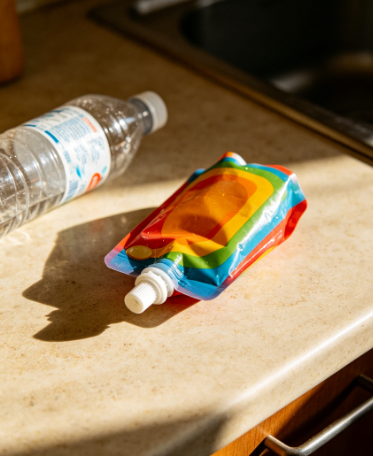
Drawing on 17 years of packaging experience, I’ve witnessed spout pouches transform liquid packaging and compete against classic bottles.
Packaging format directly affects cost, logistics, sustainability and user experience.https://fdxpack.com/
This guide compares both packaging types to assist your liquid product selection.
Advantages of Spout Pouches
Spout pouches bring a host of benefits that make them increasingly attractive to manufacturers and consumers alike.
1. Cost-Effectiveness
Spout pouches cut costs across the whole supply chain. They use less film material than rigid bottles and weigh far less to save freight fees. Flat-packed empty pouches also take minimal warehouse space. All-round cost savings help brands lift profit margins.
2. Material Efficiency & Sustainability
Spout pouches save raw plastic versus rigid bottles to lower carbon output. Many adopt mono-material or PCR materials for better recyclability. Their lightweight build also cuts transport emissions, helping brands satisfy shoppers’ eco preferences.
3. Consumer Convenience & Portability
TSpout pouches suit busy consumers with lightweight, portable sizing. Built-in spouts seal tightly for neat pouring, keep contents fresh and cut leftover waste, boosting user satisfaction and brand loyalty.
4. Enhanced Barrier Protectio
Multi-layer spout pouch films deliver better barrier performance than regular plastic bottles. Materials like EVOH, nylon or foil block oxygen, moisture and light to preserve goods, lengthen shelf life and cut spoilage losses for brands.
5. Brand Visibility & Customization
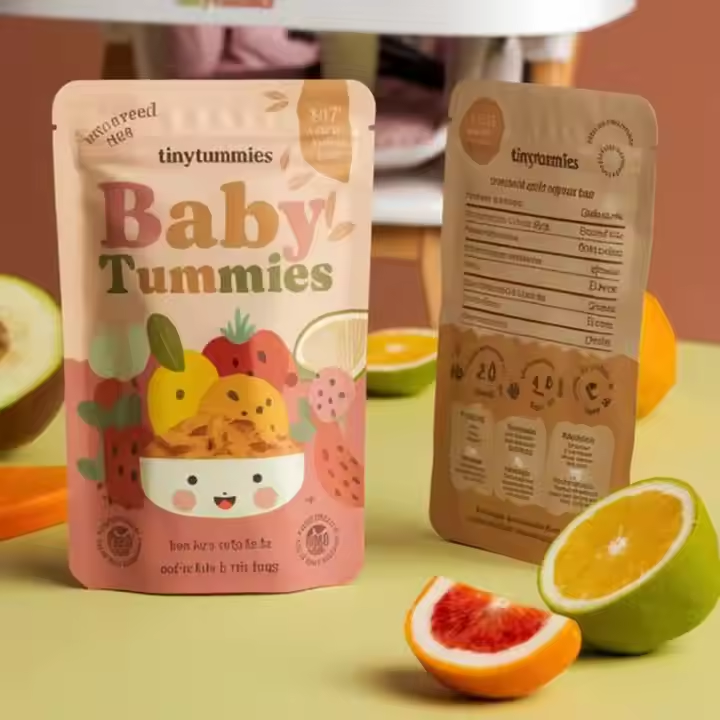
Spout pouches have ample flat printing space vs curved bottles for eye-catching artwork. Custom sizes and surface finishes help brands stand out on store shelves and build unique brand visuals.
6. Reduced Shipping Footprint
Lightweight spout pouches cut shipment weight and fuel costs. Shipped flat or rolled when empty, they save storage and freight space, especially helpful for overseas transport to lower supply chain expenses and carbon emissions.
Disadvantages of Spout Pouches
Despite their many benefits, spout pouches also come with certain limitations that brands must consider.
1. Perceived Durability & Rigidity
Some buyers think spout pouches are less sturdy than hard bottles despite tough multilayer films. Their soft build causes worries about damage and awkward gripping, so brands need to educate customers on their real durability.
2. Filling Equipment Requirements
Switching to spout pouches needs new filling and sealing gear, bringing high upfront costs especially for small firms. Extra spending on machine setup and worker training is required though long-term running costs drop.
3. Recycling Challenges
Spout pouches lag behind bottles in recycling across many areas. Mixed-layer materials plus mismatched spout plastics hinder recycling, and mono-material options lack widespread waste processing facilities. Brands need to inform buyers on proper disposal to back up their eco promises.
Bottle Packaging: The Traditional Choice with Enduring Appeal
Plastic, glass or aluminum bottles have long dominated liquid packaging. Their rigid build is sturdy, widely used for drinks, cosmetics and medicines with diverse shapes to match different goods.
Advantages of Bottle Packaging
Traditional bottle packaging continues to hold significant advantages, making it a preferred choice for many product categories.

1. Structural Integrity & Protection
Bottles’ rigid build resists crushing and leaks during shipping. Easy to stack for storage, ideal for bulk or roughly handled goods to keep products intact.
2. Consumer Familiarity & Perceived Value
Shoppers are used to bottles and link them with good quality. Heavy rigid bottles look upscale for liquor and luxury cosmetics, helping brands highlight premium positioning.
3. Ease of Dispensing & Re-closure
Bottles stand steady for accurate pouring with diverse caps for tight resealing. They avoid leakage and preserve contents, bringing convenient daily use.
4. Established Filling Infrastructure
Bottling production lines are widely available globally. Brands can use existing equipment without costly new investments, and co-packers easily support mass production to cut startup risks.
Disadvantages of Bottle Packaging
Despite their long-standing presence, bottles also come with several notable drawbacks, especially in today's market.
1. Higher Material & Production Costs
Glass and plastic bottles cost more in raw materials and production than spout pouches. Extra weight also lifts shipping spending, squeezing brand profits.
2. Increased Weight & Shipping Volume
Bottles weigh more and take extra space than spout pouches. They raise freight and warehousing fees plus carbon emissions and hurt supply chain efficiency.
3. Environmental Impact & Resource Use
Glass and plastic bottles create bigger environmental costs. Heavy glass consumes lots of production energy, plastic relies on fossil fuels, and extra raw materials worsen resource waste vs pouches.
4. Limited Customization & Design Flexibility
Custom bottle molds cost dearly, and curved surfaces limit printing space. Bottles fall short of pouches in branding display and personalized design.
Six Core Factors to Pick Between Spout Pouches & Bottles
Deciding between spout pouches and bottle packaging requires a thorough evaluation of various factors, tailored to your specific product and business objectives. There's no universal "best" option; the ideal choice is the one that best aligns with your product's needs, your brand's values, and your target market's preferences.
Product Properties
Liquid thickness, shelf-life barrier demands and inner solid contents decide packaging: thick fluids suit squeezable pouches; thin liquids or breakable contents fit sturdy bottles.
Target Customer Habits
On-the-go users and kids prefer portable spout pouches. Premium-focused shoppers favor glass or premium plastic bottles for upscale texture and traditional vibes.
Barrier & Shelf-Life Needs
Multi-layer spout pouches with EVOH or foil deliver outstanding oxygen/light resistance to extend shelf life. Bottles need thicker raw materials or extra coatings to reach equal barrier performance.
Overall Cost Budget
Pouches cut raw material and logistics costs yet need costly new filling gear upfront. Bottles spend more on packaging and delivery but work with existing production lines to save early investment. Calculate full-cycle expenses before finalizing.
Brand Eco Objectives
Pouches consume less raw material and slash transport carbon emissions, with eco-friendly mono-material & PCR options growing fast. Bottles enjoy easier mainstream recycling but cost more energy to produce and ship. Match packaging to your environmental roadmap.
Factory Production Conditions
Existing bottling equipment means switching to pouches requires extra machine purchases and staff training. Startup brands or outsourced production can select co-packers skilled in either packaging format based on output scale.
Conclusion
Bottles bring sturdiness, market recognition and mature filling lines yet cost more and carry higher carbon costs.
Spout pouches save material and logistics spending, boast great branding space and user convenience, but demand new filling gear and have recycling limitations.
No one-size-fits-all packaging; pick based on your product, customers, budget and eco targets.
Get in touch for professional packaging consultation.https://www.yoemma.com/
Email: emma@fdxpack.com
Website: www.fdxpack.com