In 17 years at FDXPACK working with brands and buyers globally, I’ve learned packaging functionality matters just as much as aesthetics and protection.
One of our most frequent discussions is about resealable closures: zipper vs slider bags.
Picking the right closure directly impacts convenience, freshness and overall customer satisfaction. Let’s break down both popular options.
What is a Zipper Bag?
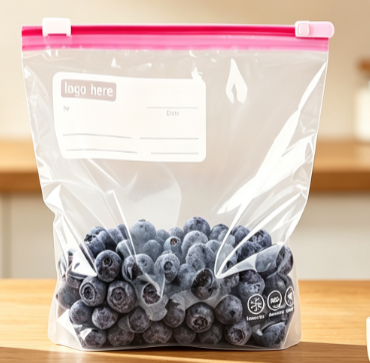
Zipper bags (also called press-to-close or zip-lock bags) have two interlocking plastic strips along the opening. Press to seal, pull apart to open — this simple, reliable design has been a packaging staple for decades.
They work with most pouch styles including stand-up pouches, 3-side seal bags and flat bags, and are used for everything from snacks and frozen food to small hardware and craft supplies.
What is a Slider Bag?
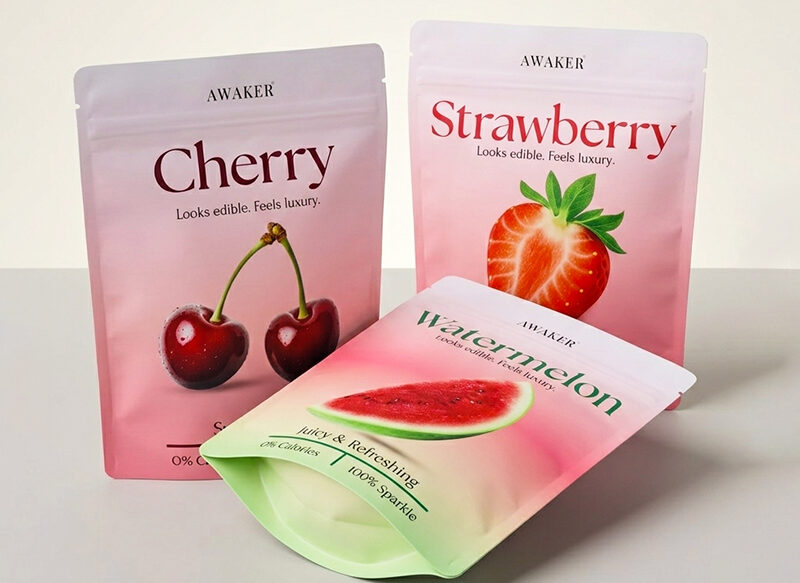
Slider bags upgrade the basic zipper design with a small plastic tab that glides along the track to open and close the pouch. Instead of pressing the strips together by hand, you simply slide the tab from end to end.
This external slider ensures the zipper aligns perfectly every time, creating a consistent, reliable seal with barely any effort. It works especially well for larger bags or users with limited dexterity, offering a clear convenience upgrade over standard press-to-close zippers.
Key Differences in Mechanism
The core difference between zipper and slider bags comes down to how you seal them.
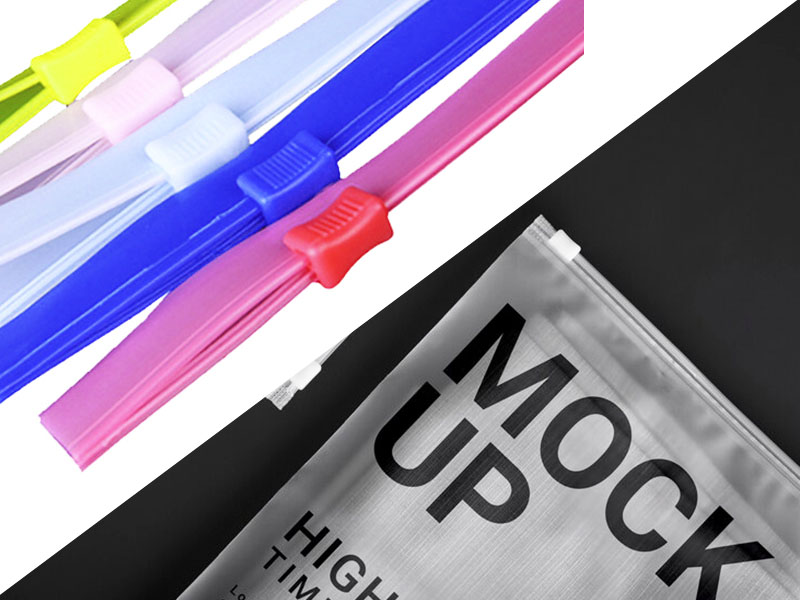
Traditional zipper bags rely on direct finger pressure — you pinch and press the two interlocking plastic ridges shut across the full width of the pouch. It takes a little coordination, and it’s easy to leave small gaps on wider bags or when you’re in a hurry.
Slider bags use a small rigid plastic tab that glides along the zipper track, mechanically pressing the profiles together or pulling them apart as you move it. This creates a more consistent, reliable seal every time with far less effort, making the whole process smoother and more foolproof.
Differences in Ease of Use
When it comes to user experience, the slider bag generally wins for ease of use. The slider mechanism makes opening and closing the bag a one-handed, fluid motion. This is particularly beneficial for consumers with limited hand strength, children, or anyone looking for quick access to contents. Imagine trying to seal a large bag of cereal with one hand while holding a bowl with the other; a slider makes this task much simpler. Zipper bags, while effective, require two hands and a more deliberate pressing action along the seal. Sometimes, if the profiles are not perfectly aligned or if crumbs get in the way, achieving a full seal can be frustrating. The slider's design ensures a complete and consistent seal every time with minimal effort.
Differences in Seal Strength and Security
Both zipper and slider bags are built to form a tight seal that shields contents from air and moisture, but their real-world sealing reliability differs slightly.
A well-made zipper bag can deliver a fully airtight seal when pressed correctly. The catch is that users don’t always seal it perfectly along the full length, especially when rushing.
Slider bags generally offer more consistent, dependable sealing. The sliding tab applies even pressure across the entire zipper track, greatly lowering the risk of partial or incomplete seals. This consistency is a big plus for products where freshness and leak prevention matter most, giving both brands and customers greater peace of mind.
Differences in Applications and Typical Products
The choice between zipper and slider often comes down to the product type and the intended consumer experience. Zipper bags are incredibly versatile and cost-effective, making them suitable for a vast array of products. You'll find them on snack bags, frozen vegetables, coffee, spices, and non-food items like small parts or craft supplies. They are a good default choice for products that are consumed over a moderate period and where the user doesn't necessarily need extreme ease of access every single time. Slider bags are typically preferred for larger packages, bulk items, or products that require very frequent access. Think large bags of pet food, cereal, sugar, or flour. Their superior ease of use makes them ideal for situations where convenience is a premium, and the package might be opened and closed many times throughout its life.
Cost Implications for Brands
Which closure to pick mostly comes down to your product type and the customer experience you want to deliver.
Zipper bags are highly versatile and budget-friendly, so they work for a huge range of items — from snacks, frozen veggies, coffee and spices to non-food goods like small parts and craft supplies. They’re a solid go-to for products consumed at a moderate pace, where users don’t need ultra-easy access every single time.
Slider bags are usually the better fit for larger, bulk packages or products that get opened and closed very often. Common examples include big bags of pet food, cereal, sugar and flour. Their effortless operation makes them worth the upgrade when convenience is a top priority and the package sees repeated daily use.
FDXPACK's Approach to Resealable Closures
At FDXPACK, our 17 years of experience mean we don't just offer standard solutions; we help you find the right solution. When a client comes to us needing a resealable bag, we discuss their product, target consumer, desired shelf life, and budget. We consider the viscosity of liquids, the granularity of powders, and the fragility of solids. For food products, our FDA and BRC food-grade certifications assure that both zipper and slider options are safe and reliable. We guide clients on whether the robust, easy-to-use slider is worth the extra investment for their specific market, or if a high-quality, perfectly integrated zipper provides sufficient convenience and protection. Our goal is to ensure the chosen resealable feature enhances the product, protects its integrity, and delights the end-user, all while meeting the brand's commercial objectives.
Conclusion
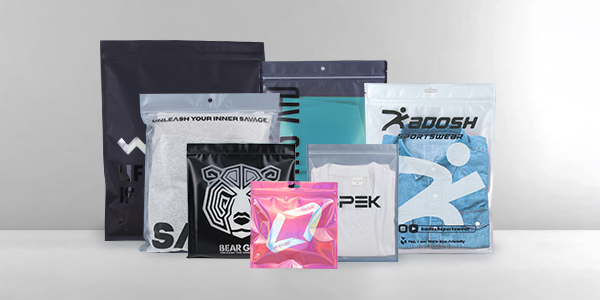
Zipper bags are a cost-effective, reliable resealable option for most everyday products. Slider bags offer easier, more consistent sealing, making them the better pick for larger packs or items opened and closed frequently.
Choosing the right closure boosts product freshness and customer experience. For tailored advice on resealable packaging that fits your product and brand, feel free to reach out.
Email: emma@fdxpack.com
Website: www.fdxpack.com