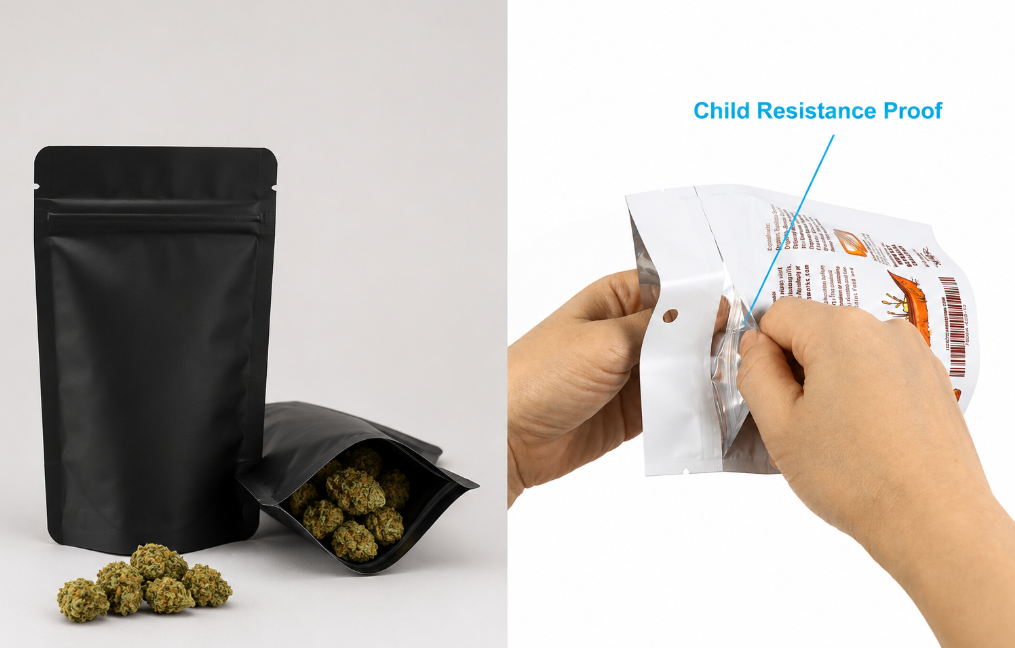
In 17 years at FDXPACK, I’ve seen packaging evolve far beyond basic storage. One choice that’s only grown more critical is picking between standard Mylar bags and child-resistant (CR) versions.
A young CBD edible brand once reached out wanting only regular high-quality Mylar pouches, focused on freshness and branding. I walked them through the fast-shifting rules around products that could attract kids, and they switched to CR bags. The move kept them compliant and struck a chord with parent shoppers, who valued the clear commitment to safety.
This isn’t just a functional difference. It’s about staying on the right side of regulations and acting with real brand responsibility.https://fdxpack.com/
Understanding the Standard: What is a Regular Mylar Bag?
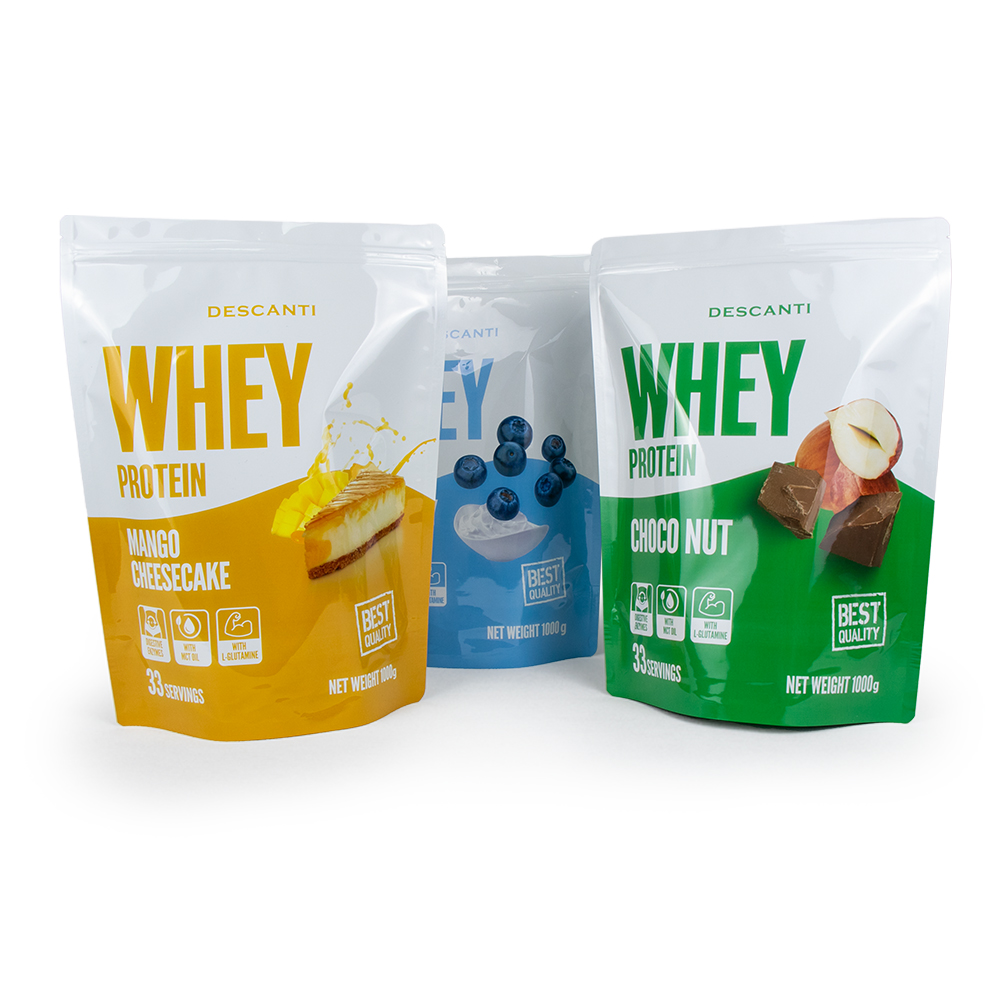
Regular Mylar bags are flexible multi-layer packaging built around BoPET (biaxially-oriented polyethylene terephthalate, the material behind the Mylar brand name). Their biggest strength is robust barrier protection, blocking moisture, oxygen, light and odors to extend product shelf life.
They work for both food and non-food items — from coffee and dried snacks to electronics and pharmaceuticals — and are highly customizable. Brands can add resealable zippers, tear notches, clear windows and other features to fit their needs.
Lightweight, durable and cost-effective, standard Mylar bags are the go-to for brands prioritizing product integrity and presentation with no child-safety mandates. They are designed for easy, convenient opening and resealing for daily adult use.
The Imperative for Safety: The Rise of Child-Resistant Packaging
The concept of child-resistant packaging emerged from a critical need to protect children from accidental ingestion of potentially harmful substances. Over the decades, regulations have been enacted globally to mandate CR packaging for products like medications, household chemicals, and more recently, cannabis and nicotine products. The goal is simple: make it significantly difficult for children under five to open the package within a reasonable time, while still allowing adults to access the contents without undue difficulty. This isn't about making a package impossible to open, but rather requiring a sophisticated sequence of actions (like "push down and turn" or "squeeze and pull") that young children lack the cognitive ability or dexterity to perform. The rise of CR packaging reflects a societal commitment to public safety, placing a crucial responsibility on manufacturers to ensure their products, especially those that could pose a risk, are packaged securely.
How Child-Resistant Mylar Bags Achieve Their Protective Goal
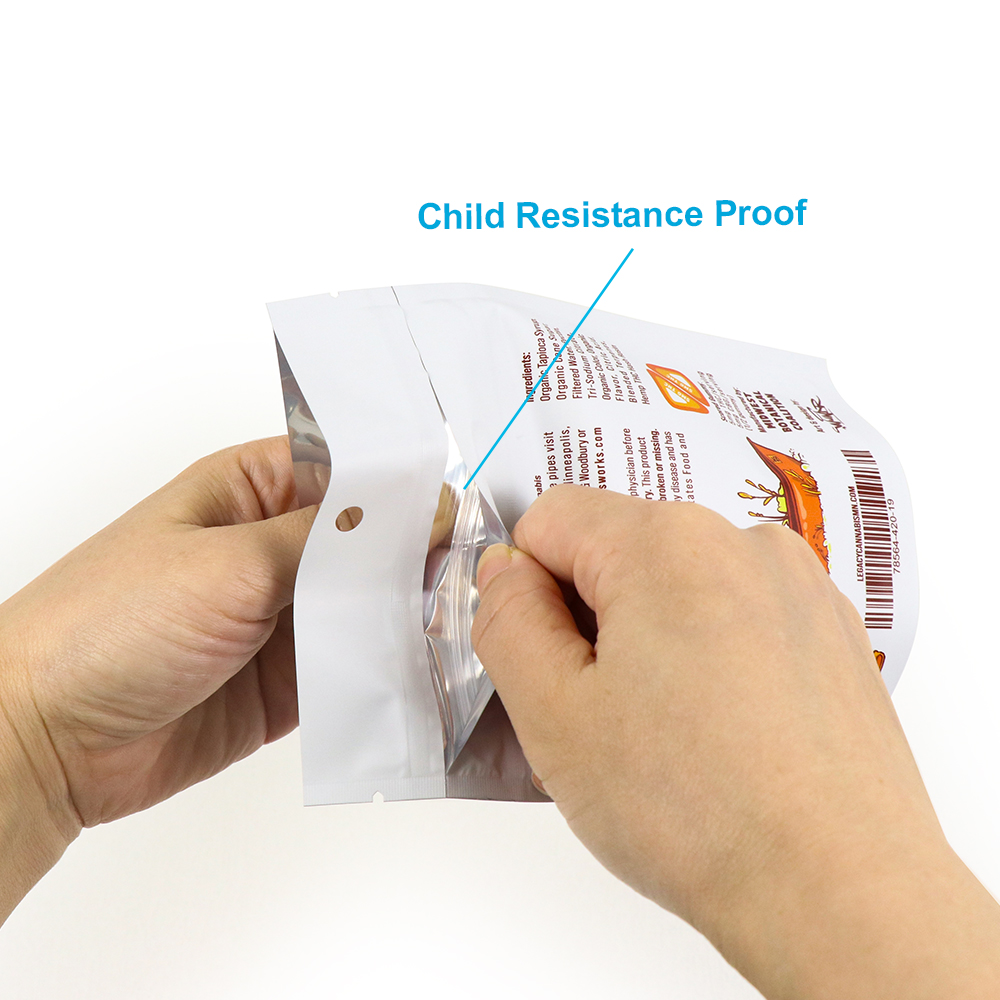
Child-resistant Mylar bags are specifically engineered with intricate opening mechanisms that deter young children. Unlike a standard zipper pouch that can be easily pulled apart, CR bags often incorporate features that require a two-step or multi-directional action. Common mechanisms include press-to-close zippers that demand precise alignment and pressure to seal and unseal, or slide zippers that need to be pushed into a specific position before sliding. Some designs integrate a "squeeze and pull" tab, where both actions must occur simultaneously. These mechanisms are rigorously tested to ensure they meet federal and international standards for child resistance, meaning a significant percentage of young children cannot open them within a set timeframe, while a high percentage of adults can. The materials used are also carefully selected to maintain their integrity under these repeated opening and closing actions, ensuring the child-resistant feature remains effective throughout the product's use. This specialized design is a cornerstone of responsible packaging in regulated industries.
Key Differences: Design and Accessibility
The most apparent difference between regular and child-resistant Mylar bags lies in their design, specifically in their opening and closing mechanisms. Regular Mylar bags are designed for maximum convenience and ease of access. Their zippers or seals are straightforward, allowing for quick opening and resealing, often with a simple pull or press. This user-friendliness is a significant advantage for products where immediate and frequent access is desired. Child-resistant Mylar bags, conversely, prioritize safety over immediate convenience. Their opening mechanisms are inherently more complex, requiring a specific sequence of actions or a certain level of dexterity that children typically lack. This might involve pressing and sliding, squeezing and pulling, or aligning specific points before opening. While this adds a slight layer of complexity for adults, it is a deliberate design choice that serves a critical safety function, ensuring that contents remain secure from unintended access.
Key Differences
1.Regulatory Compliance and Testing
Perhaps the most critical distinction between these two types of Mylar bags is their relationship with regulatory compliance. Regular Mylar bags generally do not require specific child-resistant certifications; their use is governed by general food contact safety regulations if they hold edibles. Child-resistant Mylar bags, however, are subject to stringent testing protocols and certifications to prove their effectiveness. In the United States, this often falls under the Poison Prevention Packaging Act (PPPA) administered by the Consumer Product Safety Commission (CPSC), which outlines the testing methods for CR packaging. These tests involve panels of both young children and adults attempting to open the packages, with specific success rates required for certification. Failure to comply with these regulations for products that mandate CR packaging can lead to severe penalties, including product recalls, fines, and damage to brand reputation. Therefore, for regulated products, choosing a certified CR Mylar bag is a legal necessity, not an optional feature.
2.Cost and Manufacturing Complexity
The specialized design and rigorous testing requirements of child-resistant Mylar bags naturally translate into higher costs and increased manufacturing complexity compared to regular Mylar bags. The intricate opening mechanisms require more sophisticated engineering and precision during production, often involving specialized machinery and tooling. Materials might also be slightly different to accommodate the CR features while maintaining durability. Furthermore, the cost of obtaining and maintaining child-resistant certifications, including the necessary testing, adds to the overall expense. Regular Mylar bags, with their simpler construction and absence of specific safety testing mandates, are generally more economical to produce. Brands must weigh these cost implications against the legal requirements and their commitment to safety, understanding that the investment in CR packaging is an investment in compliance, brand protection, and consumer well-being, especially for products where safety is paramount.
When to Choose a Regular Mylar Bag
You should choose a regular Mylar bag when your product does not pose a significant risk to children and is not subject to child-resistant packaging regulations. This includes a wide array of products such as gourmet coffee beans, loose leaf tea, dry snacks like nuts or granola, pet treats, non-toxic craft supplies, or electronics components. For these items, the primary packaging goals are product preservation, aesthetic appeal, and adult convenience. Regular Mylar bags offer excellent barrier protection against external elements, extending shelf life and maintaining product quality. They are also more cost-effective and allow for simpler, more accessible opening mechanisms, which can enhance the user experience for the intended adult consumer. If your product is safe for children to handle or access, and regulations do not demand CR features, a regular Mylar bag is a practical and efficient choice.
When to Choose a Child-Resistant Mylar Bag
The decision to opt for a child-resistant Mylar bag is driven by product safety and regulatory mandates. This type of packaging is essential for products that, if ingested or misused by children, could cause harm or illness. Prime examples include cannabis products (edibles, concentrates), certain over-the-counter medications, pharmaceutical samples, nicotine products, and some household chemicals or hazardous materials. If your product falls into a regulated category that specifically requires child-resistant packaging in your target markets, then a CR Mylar bag is not just a preference but a legal obligation. Beyond compliance, choosing CR packaging demonstrates a strong commitment to consumer safety and responsible manufacturing, which can significantly enhance your brand's reputation and trust among consumers, particularly those with families.
Regular vs. Child-Resistant Mylar Bags: A Quick Comparison
Here's a summary of the key differences to help you make an informed decision:
| Feature | Regular Mylar Bag | Child-Resistant Mylar Bag |
|---|---|---|
| Primary Goal | Product preservation, convenience, branding | Child safety, regulatory compliance |
| Opening Mechanism | Simple, easy-to-open (e.g., standard zipper, heat seal) | Complex, multi-step actions (e.g., press-to-close, squeeze-and-pull) |
| Accessibility | Designed for easy adult access | Designed to be difficult for children <5 to open |
| Regulatory Needs | General food-grade compliance (if applicable) | Requires specific child-resistant certifications (e.g., CPSC, ISO) |
| Cost | Generally lower | Generally higher (due to design, manufacturing, testing) |
| Manufacturing | Standard flexible packaging processes | Specialized tooling, precision engineering, testing |
| Best For | Non-hazardous items, general food, pet food, non-regulated products | Regulated products (cannabis, pharma, nicotine), hazardous items |
| Brand Perception | Quality, freshness, convenience | Responsible, safe, compliant, trustworthy |
FDXPACK's Expertise in Both Packaging Solutions
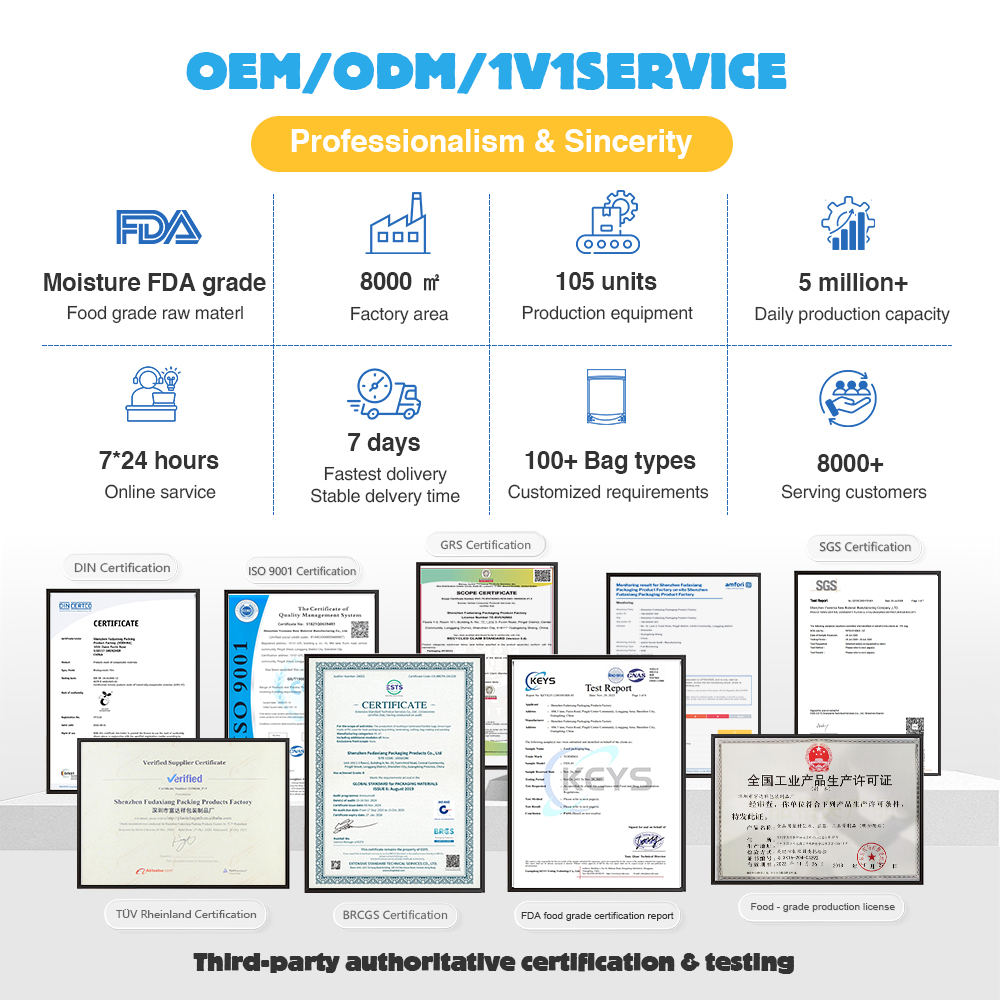
At FDXPACK, our 17 years of experience mean we understand the nuances of both regular and child-resistant Mylar bag requirements. We pride ourselves on providing high-quality, customized packaging solutions that meet the specific needs of brand owners, large buyers, and traders across North America, Europe, and Asia. Whether your product requires the robust barrier protection and aesthetic appeal of a standard Mylar bag, or the critical safety features and regulatory compliance of a child-resistant Mylar bag, we have the expertise and certifications (FDA and BRC food-grade) to deliver. We guide our clients through material selection, design optimization, and the complexities of CR testing if needed, ensuring your packaging is not only effective and compliant but also enhances your brand's presence in the market. We focus on quality and delivering packaging that truly protects your product and your consumers.
Conclusion
The choice between a regular Mylar bag and a child-resistant Mylar bag is a strategic decision that hinges on your product's nature, target market, and regulatory landscape. While regular Mylar bags offer excellent protection and convenience for a wide range of non-hazardous items, child-resistant Mylar bags are an absolute necessity for products that pose a risk to children and are subject to stringent safety regulations. Making the right choice is not just about functionality or cost; it's about safeguarding lives, maintaining legal compliance, and building a responsible and trustworthy brand image. By carefully evaluating your product's specific needs and consulting with experienced packaging professionals, you can ensure your packaging solution is perfectly suited for its purpose, providing both product integrity and peace of mind.
For expert advice on selecting the ideal Mylar bag solution for your products, please reach out.https://www.yoemma.com/
Email: emma@fdxpack.com
Website: www.fdxpack.com