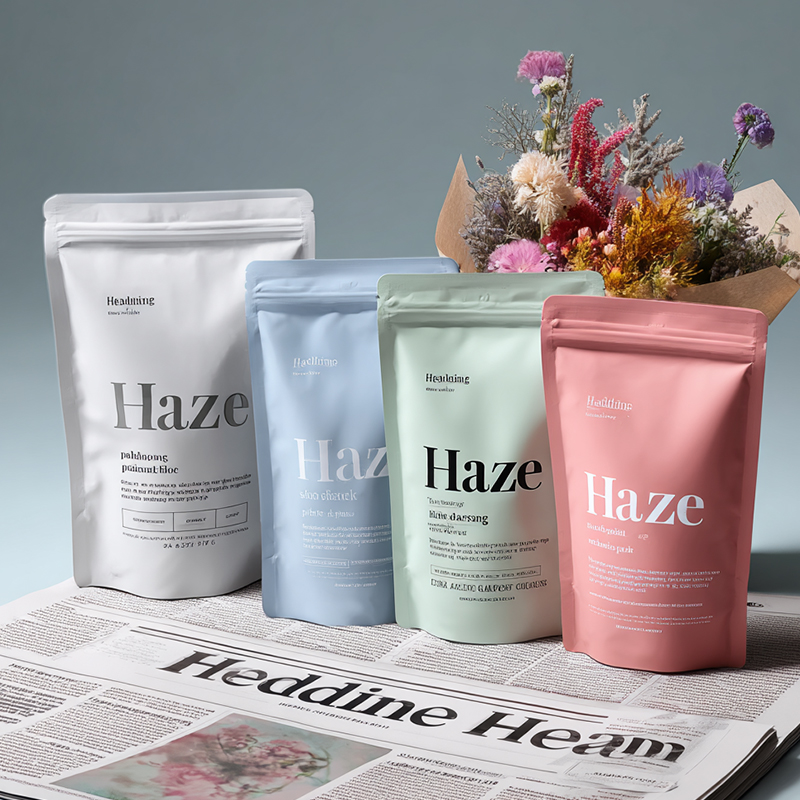
In 17 years at FDXPACK building premium packaging for global brands, I’ve seen how even pouch size makes a huge difference.https://fdxpack.com/
One gourmet coffee client originally used oversized pouches, assuming bigger felt more valuable. But all the extra trapped air made their premium beans stale faster, and the loose, baggy shape looked unpolished on shelves.
We worked out the exact volume for their fill weight and picked a properly sized stand-up pouch, cutting excess air and boosting freshness.
Choosing the right pouch size isn’t just about fitting your product — it’s about optimizing protection, shelf presentation, and your bottom line.
Why Pouch Size Matters More Than You Think
Picking the right custom pouch size affects nearly every part of your product’s journey, from production to customer use.
Oversized pouches waste material, drive up shipping costs, and make your product look underfilled or low-quality. All that extra trapped air also speeds up spoilage for food and other sensitive items.
Undersized pouches are hard to seal properly, and can crush or damage the contents inside.
On top of function, a well-proportioned pouch looks more professional on shelves, signals attention to detail, and boosts the overall customer experience.
Key Considerations When Sizing Your Custom Pouch
Several factors must be carefully evaluated to ensure you land on the ideal pouch size for your specific product. It's a holistic process that goes beyond simply measuring your item. Thinking through these points systematically will help you avoid costly mistakes and create packaging that truly enhances your product.
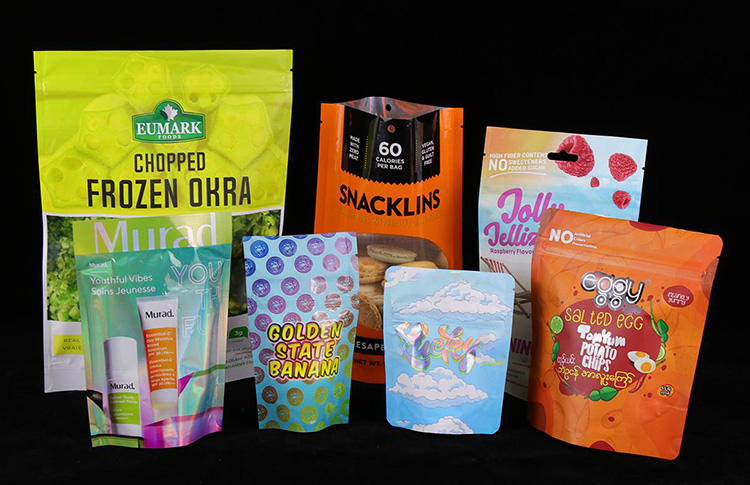
Product Dimensions and Volume
The first and most obvious step is to accurately measure your product. For solid items, consider its length, width, and height. For granular or liquid products, you'll need to know its volume (e.g., milliliters or ounces) or fill weight (e.g., grams or pounds). Remember that products like coffee beans or snacks have irregular shapes and will settle, so you need to account for this. It's not just about the exact dimensions but how the product will naturally sit or flow within the pouch. For example, a stand-up pouch needs enough base width to stand stably, while a 3-side seal bag might be flatter. Always consider the product's maximum dimensions, not just its average.
Headspace and Fill Level
Headspace refers to the empty space between the top of your product and the seal of the pouch. This space is crucial for several reasons. First, it allows for proper sealing without product contamination in the seal area. Second, it accommodates product settling during shipping and handling. Third, for some products, a small amount of headspace is necessary for gas flushing (e.g., nitrogen for freshness) or to prevent pressure buildup. However, too much headspace, as mentioned, can lead to wasted material and increased oxygen exposure. Finding the right balance is key – enough space for functionality, but not so much that it looks empty or compromises freshness.
Material Thickness and Pouch Style
The type of material and the style of the pouch also influence the final usable space. Thicker, multi-layered films, like those used for high-barrier food packaging, take up slightly more internal volume than thinner films. Different pouch styles also have varying capacities for the same external dimensions. For example, a stand-up pouch with a gusseted bottom will hold more than a flat 3-side seal pouch of the same height and width. Quad-seal bags, with their reinforced corners, offer robust structure and can accommodate heavier fills. Consider how the chosen material's rigidity and the pouch's structural design will affect how your product sits and how much it can comfortably hold.
Display and Shelf Presence
Your product's visual impact on the retail shelf or in e-commerce photography is a major factor. The pouch size should complement your branding and stand out effectively. An awkwardly sized pouch, whether too small and easily lost, or too large and cumbersome, can detract from your product's appeal. Consider how the pouch will sit or hang, how much space your branding and required regulatory information will take up, and whether the size allows for clear visibility of your product through a window (if applicable). The right size contributes to an organized, premium appearance that captures consumer attention.
Shipping and Logistics
For brands selling online or shipping products over long distances, packaging size directly impacts logistical costs and efficiency. Larger or heavier pouches mean higher shipping fees, more storage space required in warehouses, and potentially more boxes or pallets for transport. Optimizing pouch size can lead to significant cost savings in your supply chain. Consider how the pouches will be packed into secondary shipping cartons. A well-chosen pouch size can maximize the number of units per carton, reducing overall shipping volume and potentially lowering your environmental footprint.
Brand Message and Consumer Experience
Ultimately, the size of your pouch communicates something about your brand and influences the consumer's experience. Does a smaller, single-serving pouch align with a convenient, on-the-go message? Does a larger, family-sized pouch convey value and bulk? Is the pouch easy for the consumer to open, reseal, and handle? An overly large pouch for a small amount of product might make consumers feel cheated, while a cramped pouch could be frustrating. The right size balances practicality with the desired brand perception and ensures a positive interaction for the end-user, from purchase to product consumption.
Steps to Determine the Right Custom Pouch Size
Navigating these considerations can seem complex, but by following a structured approach, you can confidently determine the best pouch size for your product. This systematic process helps ensure all critical factors are accounted for.
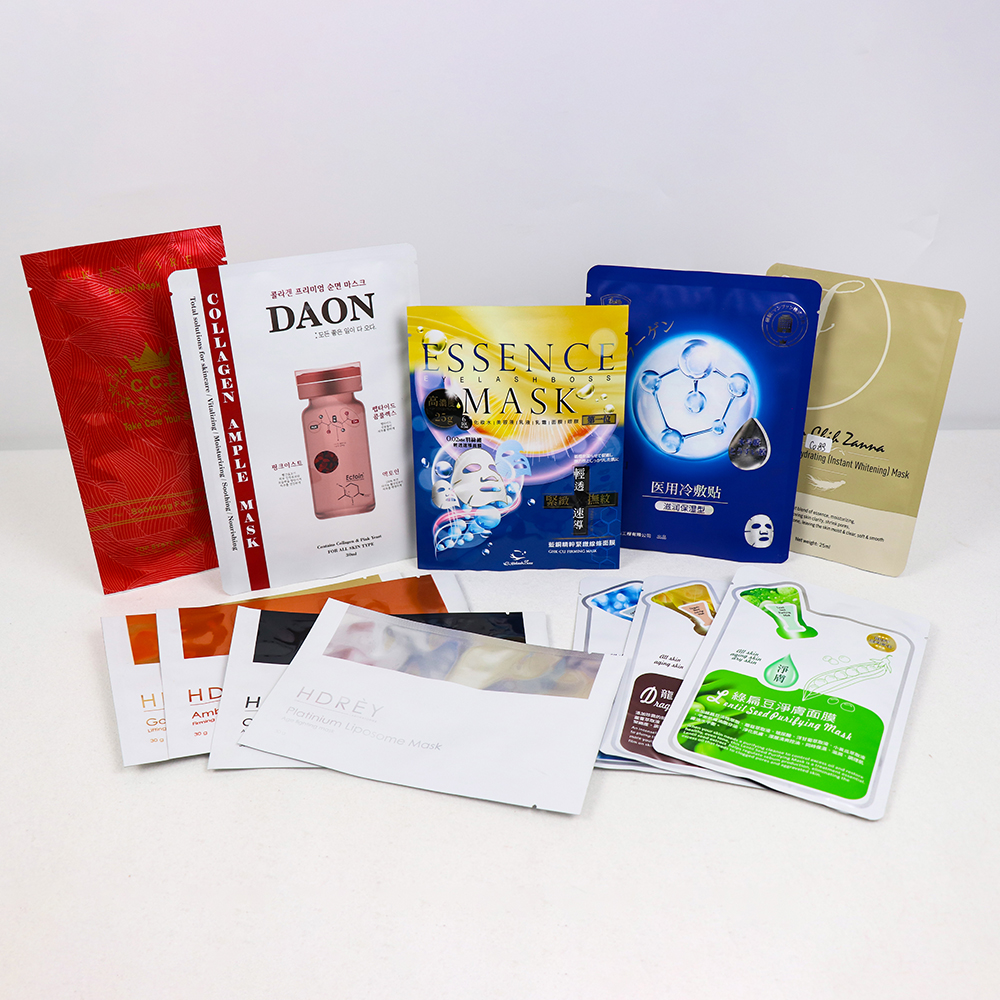
1. Measure Your Product Accurately
Begin by precisely measuring the actual product. For solids, use calipers or a ruler to get exact dimensions. For powders or granules, measure the volume or weight you intend to fill. If your product is irregular, consider its maximum dimensions or the space it occupies when loosely packed. This initial measurement forms the baseline for all subsequent calculations. Don't guess; accuracy here prevents issues down the line.
2. Account for Headspace and Sealing Area
Once you have your product's dimensions, add extra space for the sealing area and necessary headspace. Typically, you'll need 1 to 2 inches (2.5 to 5 cm) above the product for the seal. For stand-up pouches, remember to account for the bottom gusset when calculating the total height needed. This additional space ensures a strong, clean seal and allows for machine filling without product interference.
3. Consider Pouch Style and Features
Decide on your desired pouch style (e.g., stand-up pouch, 3-side seal, quad-seal) and any additional features like zippers, tear notches, or pour spouts. Each feature can impact the usable internal dimensions and the overall external size. For instance, a zipper adds a small amount to the required height and affects the sealing area. Discuss these elements with your packaging supplier, as they can guide you on how these features affect sizing.
4. Test with Physical Samples
Theoretical calculations are a great start, but there's no substitute for physical testing. Request sample pouches in a few potential sizes from your supplier. Fill them with your actual product, seal them, and evaluate. Does the product fit well? Does it stand stably (for stand-up pouches)? Is there enough headspace? Does it look appealing? Does it feel right in a consumer's hand? This hands-on testing phase is critical for fine-tuning your decision.
5. Consult with Packaging Experts
This is where manufacturers like FDXPACK become invaluable. With 17 years of experience, we've helped countless brands navigate these decisions. Our team can offer insights into optimal material thickness, seal strengths, and how different pouch constructions perform with various products. We can also provide technical drawings and prototypes to ensure the final size perfectly matches your requirements, offering a blend of practical advice and manufacturing expertise.
FDXPACK: Your Partner in Custom Pouch Sizing
At FDXPACK, we pride ourselves on being more than just a supplier; we are your strategic partner in packaging. Our 17 years of experience in customizing high-quality packaging bags for brands in North America, Europe, and Asia means we understand the intricacies of getting pouch size right. We focus on quality, not low prices, ensuring your packaging performs flawlessly. With FDA and BRC food-grade certifications, you can trust that our materials are safe and reliable, whether you need stand-up pouches for food, eco-degradable bags, or specialized clothing bags. We work closely with you through every step, from initial concept to final production, guaranteeing that your custom pouch size is perfect for your product, your brand, and your market.

Conclusion
Choosing the right custom pouch size is a nuanced process that demands careful consideration, but it's an investment that pays dividends in product protection, brand perception, and operational efficiency. By meticulously measuring your product, accounting for critical headspace, considering pouch style and features, testing with samples, and leveraging the expertise of seasoned packaging manufacturers like FDXPACK, you can ensure your product is housed in packaging that is not only functional but also perfectly aligned with your brand's quality and message. Don't underestimate the power of a perfectly fitted pouch – it's a testament to your attention to detail and commitment to excellence.
For personalized guidance and to explore high-quality, custom packaging solutions that meet your specific sizing and product needs, please don't hesitate to reach out.https://www.yoemma.com/
Email: emma@fdxpack.com
Website: www.fdxpack.com