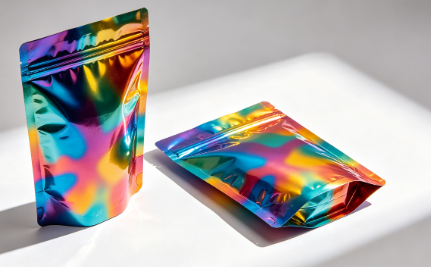
In today’s competitive market, the right packaging is more than just a container — it protects your product, boosts shelf appeal, and reflects your brand’s values. Over my 17 years working with brands and buyers across North America, Europe, and Asia, I’ve seen how the right packaging can completely change a product’s performance.https://fdxpack.com/
This guide will help you navigate the key considerations for choosing packaging that safeguards your product, connects with consumers, and supports your business goals.
1. What Exactly is Product Packaging?
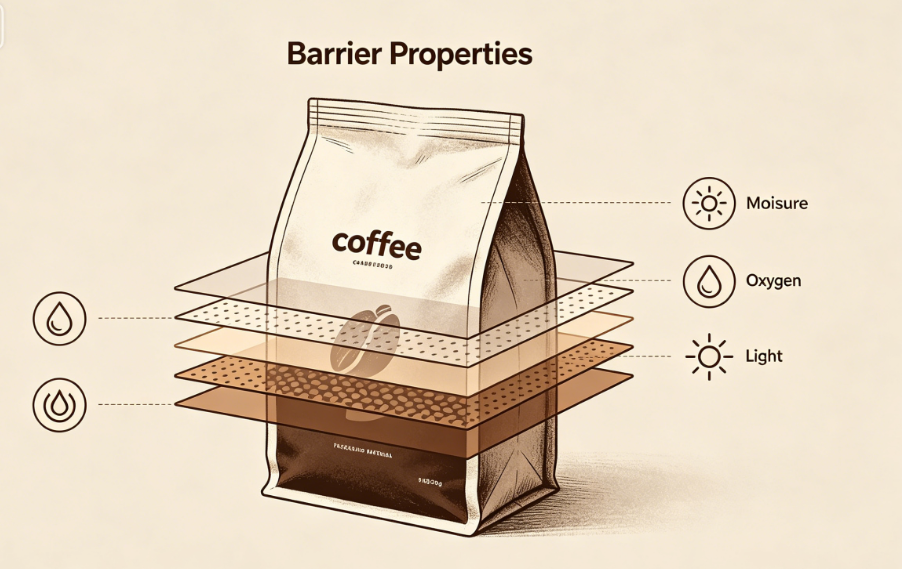
At its core, product packaging is the enclosure or container for a product, designed to protect it, identify it, and promote it. But it's much more nuanced than that. Packaging serves multiple critical functions throughout a product's lifecycle, from manufacturing to the moment it's consumed or used. It acts as a barrier against environmental factors like moisture, oxygen, and light, which can degrade product quality. It also provides physical protection against impact and contamination during storage and transit. Beyond protection, packaging is a powerful marketing tool. Its design, colors, and graphics are often the first interaction a customer has with your brand, influencing their purchase decision. It also conveys essential information, such as ingredients, usage instructions, and expiry dates, ensuring consumer safety and satisfaction.
2. Why is Choosing the Right Product Packaging So Important?
The significance of selecting appropriate packaging cannot be overstated. It directly influences your product's success in the market. First, proper packaging safeguards your product. For instance, food-grade packaging with excellent barrier properties ensures freshness and extends shelf life, preventing spoilage and reducing waste. This protection maintains product quality and helps avoid costly recalls. Second, it's a primary driver of brand recognition and sales. Attractive, well-designed packaging captures attention on crowded shelves, differentiates your product from competitors, and reinforces your brand's identity. I’ve seen time and again how an upgrade in packaging can lead to a significant boost in perceived value and consumer interest. Third, it enhances the customer experience. Easy-to-open, resealable, or ergonomic packaging adds convenience, leading to greater customer satisfaction and repeat purchases. Finally, the right packaging can optimize logistics and reduce shipping costs by being efficient in size and weight, while still providing ample protection.
3. Understanding the Types of Product Packaging
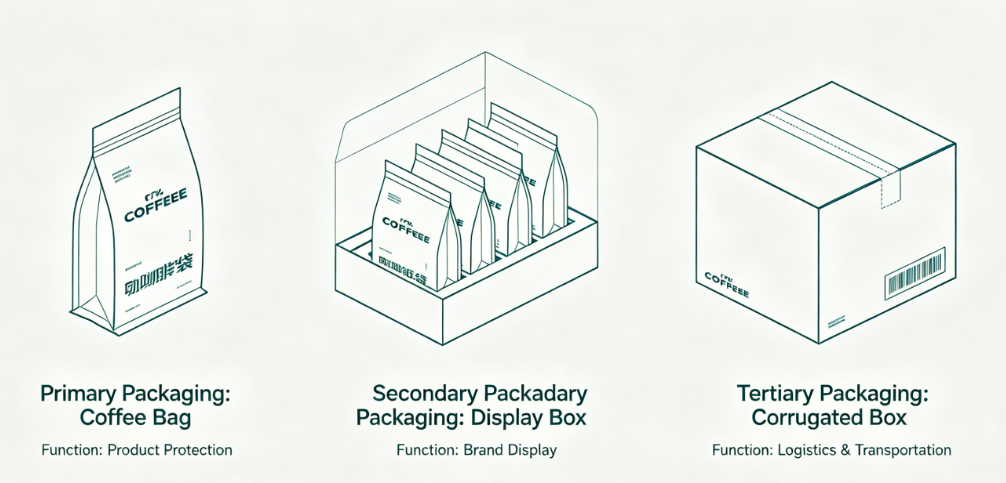
Packaging is typically categorized into three main types based on its function and proximity to the product. Understanding these distinctions helps in planning a comprehensive packaging strategy.
- Primary Packaging: This is the material that directly contains the product. It’s what customers often see and interact with first. For a bag of coffee, the primary packaging would be the flexible pouch itself. For a clothing item, it might be a clear poly bag. Its main role is to protect the product and often includes critical information or branding. This is where features like barrier properties for food or tamper-evident seals are most crucial.
- Secondary Packaging: This packaging typically holds multiple units of primary packaging. Think of a box containing several individual snack pouches or a branded poly mailer containing a clothing item. Its purpose is to protect the primary packaging, provide additional branding space, and facilitate retail display. It often includes branding and promotional messages.
- Tertiary Packaging: This refers to the outermost layer of packaging used for shipping and bulk handling. Examples include corrugated boxes on pallets, shrink-wrap, or shipping containers. Its primary function is to protect products during transit, ensure efficient storage, and facilitate easy handling by logistics providers. It usually doesn't carry consumer-facing branding but is vital for ensuring products arrive safely.
Each layer plays a crucial role in the product's journey, and a cohesive strategy across all three types ensures optimal protection and presentation.
4. Key Factors to Consider When Choosing Product Packaging
Selecting the perfect packaging requires a careful balance of many elements. My experience has taught me that overlooking any of these factors can lead to costly mistakes down the line.
A. Product Needs and Protection
The most fundamental consideration is the product itself. What kind of protection does it require?
- Physical Protection: Does your product need to withstand impact, vibration, or compression during transit? Heavy or fragile items will demand more robust packaging materials and structures.
- Barrier Properties: For food, pharmaceuticals, or sensitive electronics, protection against moisture, oxygen, light, and contaminants is crucial. High-barrier films, for example, are essential for extending the shelf life of perishable goods like coffee or snacks, preventing spoilage and maintaining freshness.
- Temperature Control: Some products require packaging that can maintain specific temperatures or withstand extreme heat or cold.
- Shelf Life: The desired shelf life of your product will dictate the level of barrier protection needed. Longer shelf life often means more sophisticated, multi-layered films.
B. Target Audience and Consumer Experience
Understanding who your customers are and how they interact with your product is vital.
- Demographics: Age, income, and lifestyle of your target audience can influence design choices. For example, child-resistant features might be necessary for certain products, while ease of opening is paramount for elderly consumers.
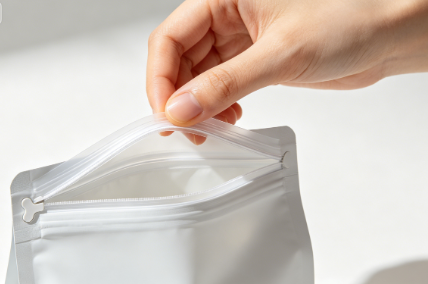
- Convenience: Consumers value convenience. Features like resealable zippers for multi-use products, easy-pour spouts for liquids, or tear notches for quick access significantly enhance the user experience and can be a strong selling point.
- Usage Occasion: Is the product consumed on-the-go, at home, or for a special occasion? Packaging should align with these usage patterns.
- Portability: If your product is meant to be carried or travel-friendly, its size, weight, and closure mechanism become important.
C. Brand Identity and Aesthetics
Your packaging is a powerful extension of your brand. It communicates your story and values.
- Visual Appeal: The colors, graphics, fonts, and imagery on your packaging should align with your brand's aesthetic and attract your target market. High-quality printing and finishes (matte, gloss, metallic) can elevate perceived value.
- Differentiation: In a crowded market, unique packaging helps your product stand out. This could be through an unusual shape, innovative features, or distinctive branding that immediately tells your story.
- Brand Messaging: Packaging can convey your brand's commitment to quality, sustainability, luxury, or affordability. It’s an opportunity to reinforce your core message.
D. Budget and Cost-Effectiveness
Cost is always a factor, but it should be viewed as an investment, not just an expense.
- Material Costs: Different materials have varying price points. Balancing protection with cost is key. For example, a multi-layered barrier film will cost more than a simple poly bag but offers superior protection for sensitive products.
- Production Costs: The complexity of your packaging design and the chosen manufacturing process will impact costs. Highly customized shapes or intricate printing can increase production expenses.
- Shipping Costs: Lighter, more compact packaging can significantly reduce shipping expenses, especially for international distribution. Efficient packing in tertiary packaging also plays a role.
- Return on Investment (ROI): Consider the potential increase in sales, reduction in product damage, and enhanced brand image that better packaging can bring. Sometimes, investing more in packaging upfront yields greater long-term returns.
E. Sustainability and Environmental Impact
With growing consumer awareness, environmentally friendly packaging is becoming a critical differentiator.
- Material Choices: Explore options like eco-degradable bags, recycled content, or mono-material structures designed for easier recycling.
- Reduction: Can you use less material without compromising protection? Minimizing packaging waste is a key sustainability goal.
- Reusability/Recyclability: Is your packaging designed to be easily reused by the consumer or recycled in common waste streams? Clearly communicating these features can appeal to eco-conscious buyers.
- Brand Values: If sustainability is a core brand value, your packaging must reflect this commitment authentically.
F. Regulatory Compliance
Adhering to legal and industry standards is non-negotiable, particularly for food, medical, or cosmetic products.
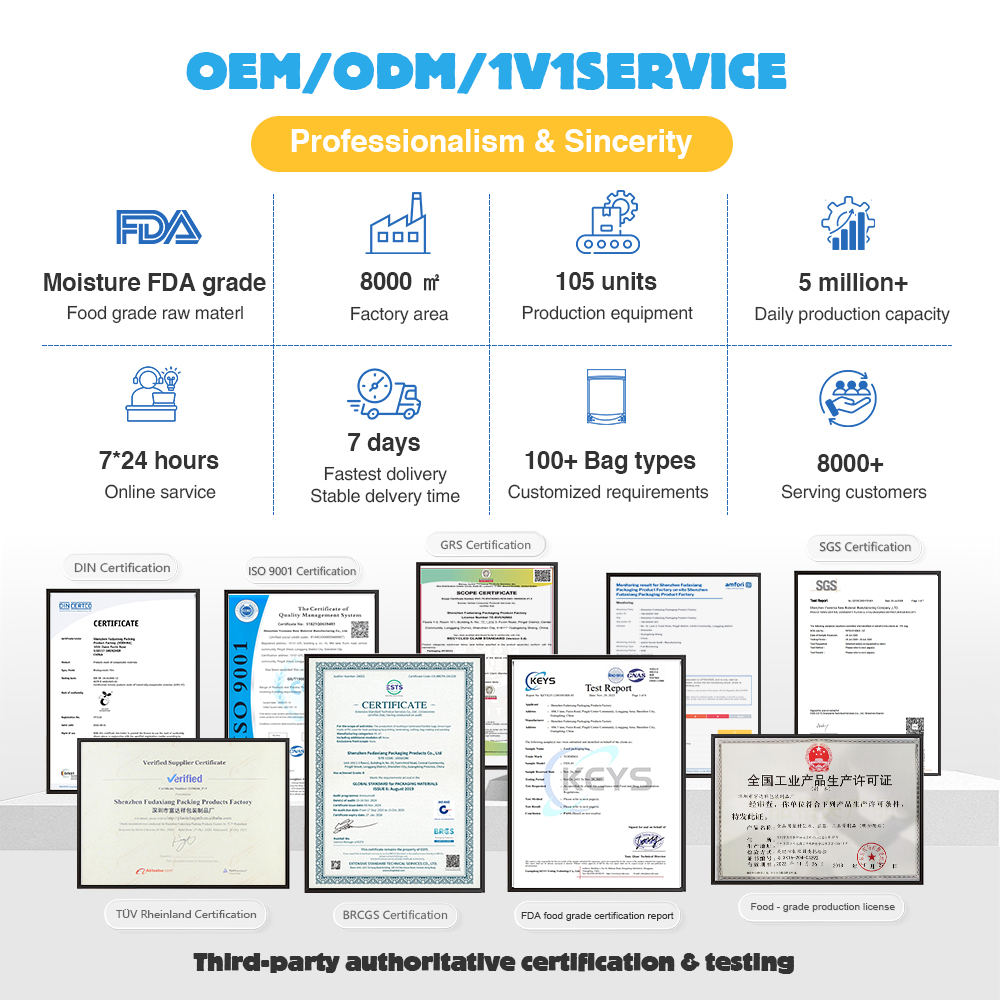
- Food-Grade Certifications: For any food product, ensuring your packaging materials are FDA compliant and meet international standards like BRC is essential for safety and market access. These certifications guarantee that materials are safe for direct food contact and manufacturing processes are hygienic.
- Labeling Requirements: Packaging must accurately display all legally mandated information, such as ingredients, nutritional facts, allergens, net weight, and country of origin.
- Safety Standards: Depending on the product, specific safety features like child-resistant closures or tamper-evident seals may be required.
- Country-Specific Regulations: If you're selling internationally, be aware that regulations can vary significantly between regions (e.g., North America, Europe, Asia).
Conclusion
Choosing the right product packaging is a multifaceted decision that requires careful consideration of your product's needs, your target audience, your brand identity, budget constraints, environmental impact, and regulatory requirements. It's a strategic investment that protects your product, enhances your brand's appeal, and ultimately contributes to your business success. By thoughtfully evaluating these factors, you can select packaging that not only performs its essential functions but also resonates with your customers and strengthens your position in the market.https://www.yoemma.com/
For expert guidance in navigating these complex choices and developing high-quality, custom packaging solutions, please reach out.
Email: emma@fdxpack.com
Website: www.fdxpack.com