
Extending shelf life while keeping food fresh, safe and appealing is a core challenge for food brands. Beyond traditional refrigeration and freezing, two advanced flexible packaging technologies lead the way in preservation: vacuum packaging and modified atmosphere packaging (MAP).https://fdxpack.com/vacuum-packaging-bags-manufacturer/
The right choice does more than lengthen expiration dates. It preserves product quality, reduces waste, and safeguards brand reputation and profitability.https://fdxpack.com/
What is Vacuum Packaging?
Vacuum packaging is a method of packaging that removes air from the package prior to sealing. The process involves placing the product in a plastic film package, which is then placed inside a vacuum chamber or has air evacuated from it by a nozzle. Once the air is extracted, the package is hermetically sealed. The primary goal of vacuum packaging is to remove oxygen, which is a major contributor to food spoilage. By eliminating oxygen, the growth of aerobic bacteria, molds, and yeasts is significantly inhibited. This method also prevents oxidation, which can cause discoloration and off-flavors in many food products, especially fats and oils. Common applications for vacuum packaging include fresh and processed meats, poultry, fish, cheeses, nuts, and dry goods like coffee and grains. The resulting package is typically tight-fitting around the product, conforming to its shape, and offering excellent protection against moisture loss and freezer burn.

What is Modified Atmosphere Packaging (MAP)?
Modified Atmosphere Packaging, or MAP, involves altering the composition of the air inside a package to extend the shelf life of food products. Instead of simply removing air, MAP replaces the natural atmospheric air with a specific, carefully selected mixture of gases, typically carbon dioxide (CO2), nitrogen (N2), and sometimes oxygen (O2), in precise proportions. This gas mixture is tailored to the specific product's respiration rate and spoilage mechanisms. For example, for fresh produce, a balance of reduced oxygen and elevated carbon dioxide can slow down respiration, delaying ripening and spoilage. For fresh meats, a high oxygen content might be used to maintain a bright red color, while for baked goods, a high nitrogen and carbon dioxide mix might inhibit mold growth. The package is then hermetically sealed to maintain this modified atmosphere. MAP is widely used for fresh meats, poultry, fish, fruits, vegetables, baked goods, and prepared meals where maintaining appearance and texture is as important as extending shelf life.

Key Differences: Vacuum vs. MAP
While both vacuum packaging and MAP aim to extend shelf life by controlling the gaseous environment, their approaches and outcomes differ significantly.
- Gas Composition: Vacuum packaging removes air, creating a near-vacuum. MAP replaces air with a specific, custom-blended gas mixture.
- Oxygen Levels: Vacuum packaging aims for minimal to zero oxygen. MAP can have varying oxygen levels, from very low to high, depending on the product's needs.
- Product Appearance: Vacuum packaging often causes product compression and can alter the appearance (e.g., flattened bread, darker meat color). MAP maintains the product's natural shape and can enhance or preserve its natural color (e.g., bright red meat, fresh green vegetables).
- Shelf Life Extension: Both extend shelf life, but MAP can sometimes offer more precise control over specific spoilage mechanisms, leading to tailored extensions.
- Cost and Complexity: Vacuum packaging is generally simpler and less expensive to implement. MAP requires gas mixers, more complex machinery, and careful monitoring of gas compositions, leading to higher initial and operational costs.
- Applications: Vacuum is ideal for non-delicate items where compression is not an issue (e.g., cheeses, cured meats). MAP is better for delicate products or those where visual appeal is critical (e.g., fresh produce, baked goods, fresh seafood).
Vacuum vs. MAP Packaging: A Quick Comparison
Here's a concise overview of the two methods to help illustrate their differences:
| Feature | Vacuum Packaging | Modified Atmosphere Packaging (MAP) |
|---|---|---|
| Principle | Removes air (oxygen) | Replaces air with specific gas mixture (CO2, N2, O2) |
| Oxygen Content | < 1% (near vacuum) | Variable (custom blend, 0-80% O2) |
| Product Compression | Yes, product conforms to package shape | No, maintains natural product shape |
| Visual Appeal | Can be affected (e.g., darker meat color, flattened) | Generally enhanced/maintained (e.g., bright red meat) |
| Primary Spoilage Target | Aerobic bacteria, oxidation, moisture loss | Specific bacteria, molds, respiration, enzymatic browning |
| Applications | Meats (cured/fresh), fish, cheese, nuts, coffee | Fresh meats, poultry, fish, produce, baked goods, ready meals |
| Equipment Complexity | Simpler (vacuum sealer, barrier film) | More complex (gas mixer, MAP machine, gas analysis) |
| Cost | Generally lower | Generally higher |
| Film Requirement | High barrier film | High barrier film |
When to Choose Vacuum Packaging
Vacuum packaging is an excellent choice for a range of products where removing oxygen is the primary goal and product compression is either acceptable or beneficial. It's particularly effective for products like:
- Fresh and Processed Meats: Cured meats, sausages, and even fresh cuts often benefit from oxygen removal to prevent spoilage and extend shelf life, though fresh red meat color may darken.
- Poultry and Fish: Reduces bacterial growth and prevents freezer burn when frozen.
- Cheeses: Prevents mold growth and maintains moisture content.
- Dry Goods: Coffee beans, nuts, grains, and spices benefit from oxygen removal to prevent rancidity and maintain freshness.
- Ready Meals (Sous Vide): Ideal for sous vide cooking, where products are cooked in a vacuum-sealed bag.
If your product is robust, not easily crushed, and its appearance isn't highly dependent on oxygen, vacuum packaging offers a cost-effective and efficient way to significantly extend shelf life and maintain quality.
When to Choose Modified Atmosphere Packaging (MAP)
Modified Atmosphere Packaging (MAP) is the preferred method when preserving the product's natural appearance, texture, and specific chemical reactions are paramount, or when dealing with delicate items. Consider MAP for:
- Fresh Red Meats: A high-oxygen MAP blend maintains the desirable bright red color consumers expect.
- Fresh Poultry and Seafood: MAP can control specific spoilage bacteria while maintaining natural appearance and preventing odors.
- Fresh Fruits and Vegetables: Tailored gas blends can slow down respiration rates, delaying ripening, enzymatic browning, and spoilage without causing anaerobic damage.
- Baked Goods: High nitrogen and carbon dioxide levels effectively inhibit mold growth and keep products fresh.
- Ready-to-Eat Salads and Prepared Meals: MAP helps maintain the freshness and visual appeal of diverse ingredients in a single package.
If your product is delicate, requires a specific visual appeal, or has complex spoilage mechanisms that can be precisely controlled by a tailored gas mixture, MAP offers a sophisticated solution for optimal preservation and market appeal.
FDXPACK's Role in Your Packaging Choice
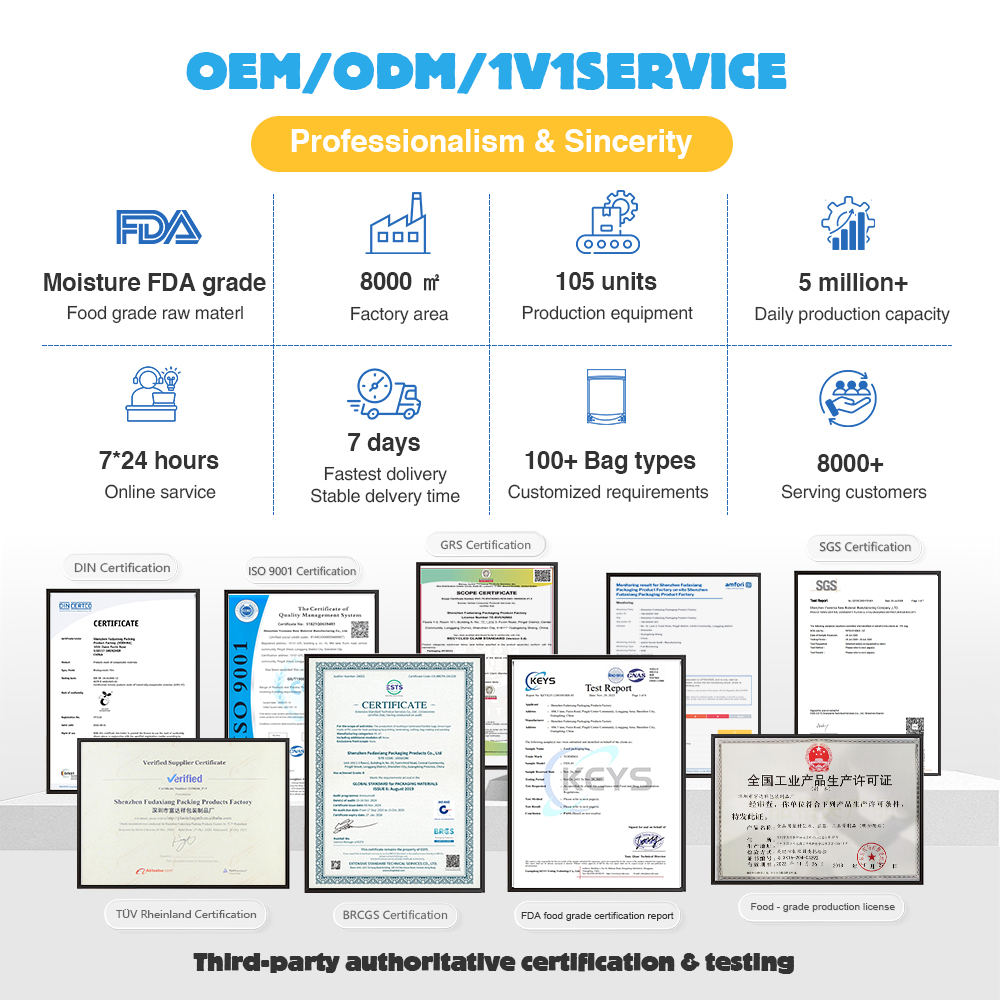
At FDXPACK, with our 17 years of experience, we understand that choosing between vacuum and MAP packaging is a critical decision that impacts your product's quality, shelf life, and market appeal. As Emma Xiao, I work closely with brand owners, large buyers, and traders from North America, Europe, and Asia to navigate these complexities. We offer a comprehensive range of high-quality flexible packaging solutions, including films optimized for both vacuum and MAP applications. Our expertise extends beyond just supplying bags; we consult on the ideal film structures, barrier properties, and additional features (like resealable zippers or tear notches) to ensure your chosen method performs optimally. With FDA and BRC food-grade certifications, you can be confident that our materials meet the highest safety and quality standards, crucial for food preservation. Whether you need custom stand-up pouches for your coffee, 3-side seal bags for your meats, or specialized films for fresh produce, we are here to provide tailored solutions that protect your product and enhance your brand.
Conclusion
The decision between vacuum packaging and Modified Atmosphere Packaging (MAP) is not one-size-fits-all. It depends entirely on the specific characteristics of your product, its spoilage mechanisms, desired shelf life, and market presentation goals. Both methods are powerful tools for food preservation, each with its unique advantages. Vacuum packaging excels at oxygen removal and preventing moisture loss, ideal for robust, less appearance-sensitive items. MAP offers precise control over the package atmosphere, making it superior for delicate products where visual appeal and specific spoilage inhibition are paramount. By understanding these differences and partnering with an experienced packaging manufacturer like FDXPACK, you can make an informed choice that optimizes your product's freshness, safety, and appeal, ultimately contributing to your brand's success.
For expert guidance on selecting the best packaging solution for your products, please reach out to us.https://www.yoemma.com/
Email: emma@fdxpack.com
Website: www.fdxpack.com