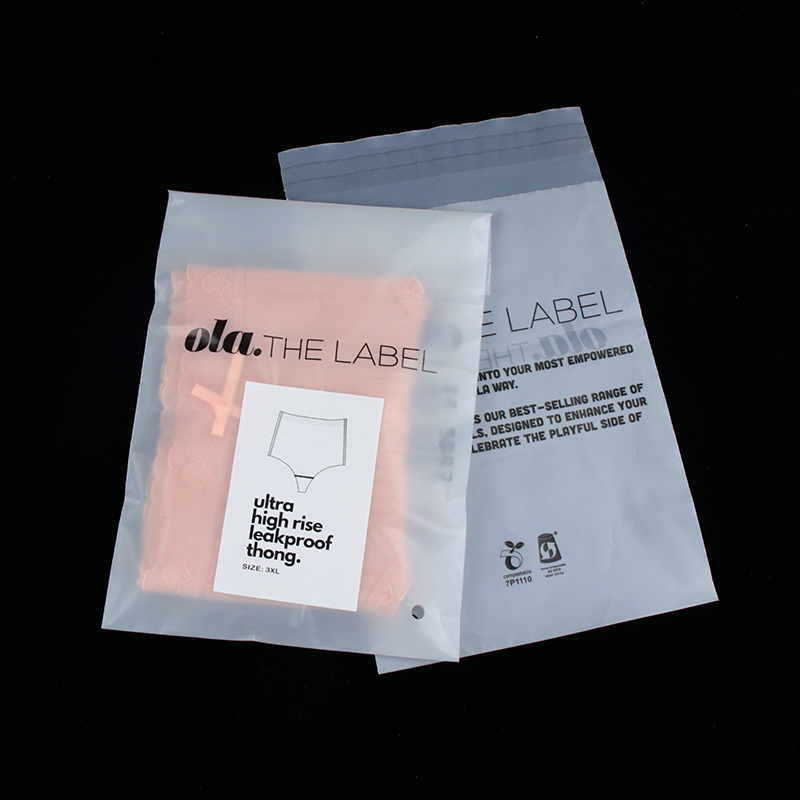
I’m Emma Xiao,https://www.yoemma.com/ heading FDXPACK with 17 years of experience in flexible packaging. Based in China, we serve brands and buyers across North America, Europe and Asia, providing custom packaging for food, apparel and more.
Sustainability has become a must for fashion brands, no longer optional. Reducing environmental impact covers not only garment fabrics, but also apparel packaging throughout logistics and delivery.
Many brands confuse terms like biodegradable, compostable and recycled packaging. I’ll simplify these concepts and share a clear guide to help you choose wisely.
We supply both traditional apparel bags and eco-degradable packaging, to support your brand’s green goals with practical, tailored solutions.https://fdxpack.com/
Biodegradable vs. Compostable for Clothing Packaging
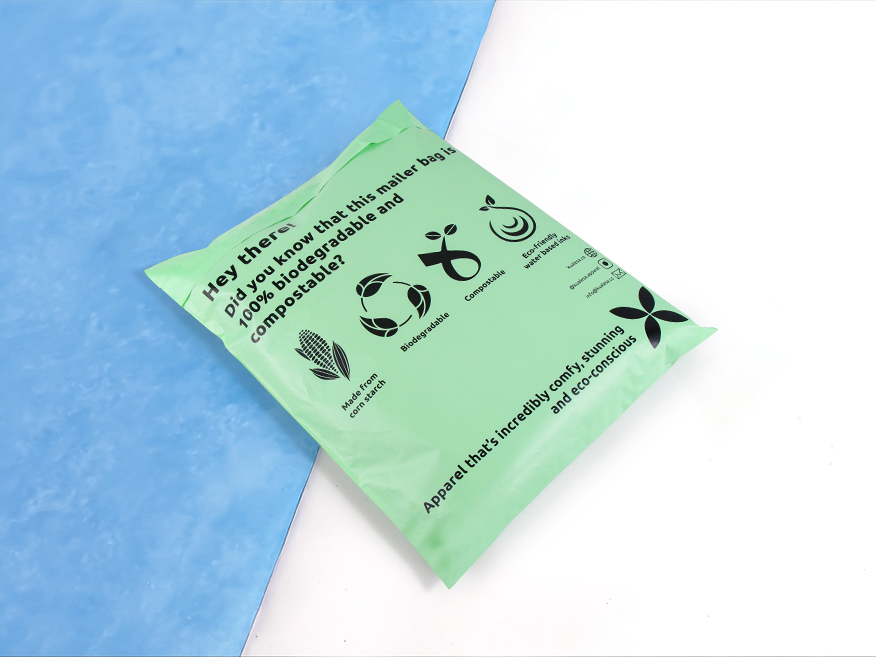
When brands tell me they want "biodegradable" packaging for their clothing, my first question is always, "What do you envision happening to it after use?" This is because the terms "biodegradable" and "compostable" are often misunderstood and can lead to unintended environmental consequences if not applied correctly. True biodegradable material simply means it can be broken down by microorganisms into natural substances like water, carbon dioxide, and biomass. However, this process often lacks a specified timeframe or conditions. A bag might be labeled "biodegradable" but could take hundreds of years to break down in a landfill, making its environmental benefit minimal.
Deconstructing "Biodegradable" and "Compostable" for Apparel
Key Difference Matters for Apparel Brands
Biodegradable and compostable materials both break down naturally, but they differ greatly in decomposition conditions, environmental impact and practical use.
What Is Biodegradable
Biodegradable materials can break down in natural conditions, but the definition is very broad.
Most only decompose under strict industrial temperature and humidity. In regular landfills, they may last for decades and act like ordinary plastic, easily causing greenwashing.
What Is Certified Compostable
Compostable packaging follows strict standards such as BPI and TÜV AUSTRIA.
It fully breaks down into humus, water and CO₂ within 90–180 days, leaving no toxic residue or microplastics.
The Hidden Challenge of Compostable Packaging
Compostable bags require professional industrial composting facilities.
If mixed with regular garbage or recycling, they cannot decompose and may even contaminate recycling streams.
Choose Based on Target Market
We advise clients to choose packaging according to local waste disposal infrastructure.
Regions with complete composting systems suit compostable bags; other markets can opt for more suitable sustainable alternatives.
Recycled Content & Recyclable Materials: The Circular Economy Approach
Another crucial aspect of sustainable packaging is focusing on the circular economy. This involves two main strategies: using packaging made from recycled content and designing packaging to be recyclable.
Packaging made from recycled content means utilizing Post-Consumer Recycled (PCR) materials. For apparel bags, this often translates to using plastics that have been collected, processed, and remanufactured into new packaging films. This directly reduces the demand for virgin plastic production, conserving resources and lowering energy consumption. At FDXPACK, we've helped many brands incorporate a significant percentage of PCR into their clothing bags, achieving a tangible reduction in their environmental footprint.
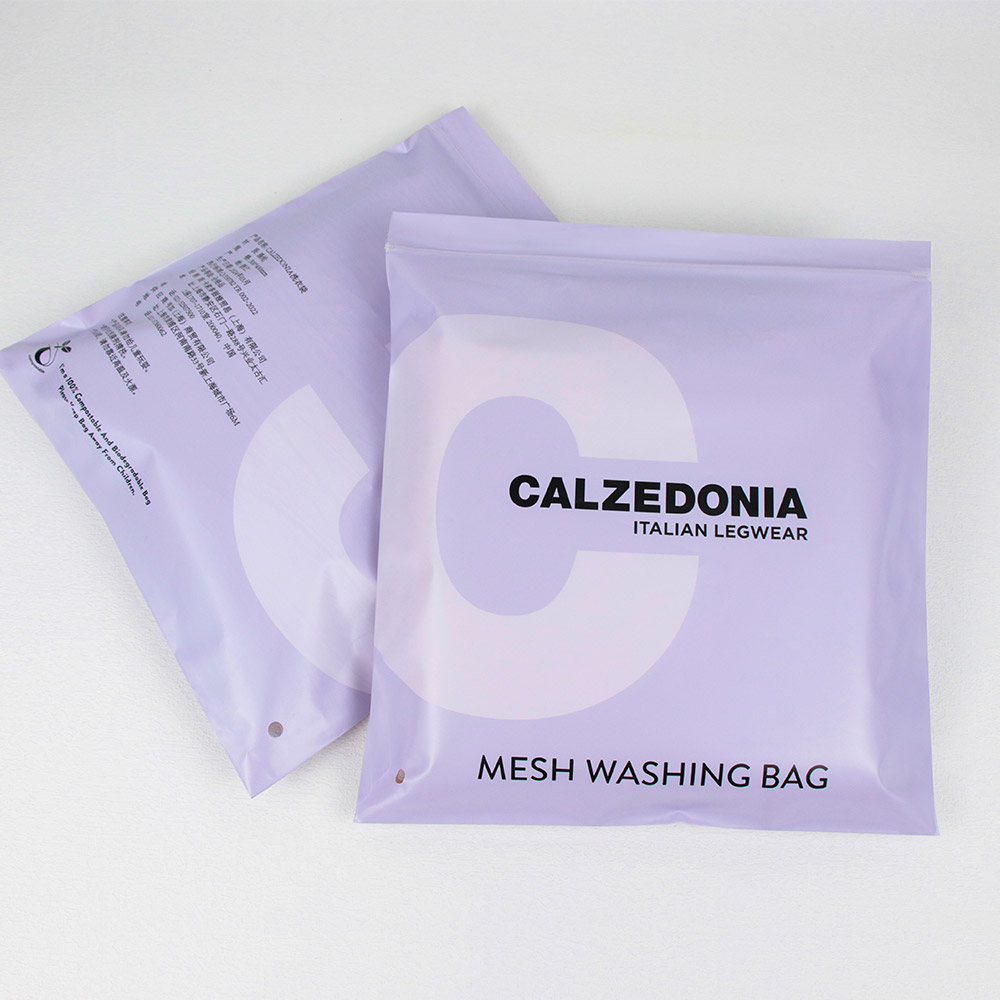
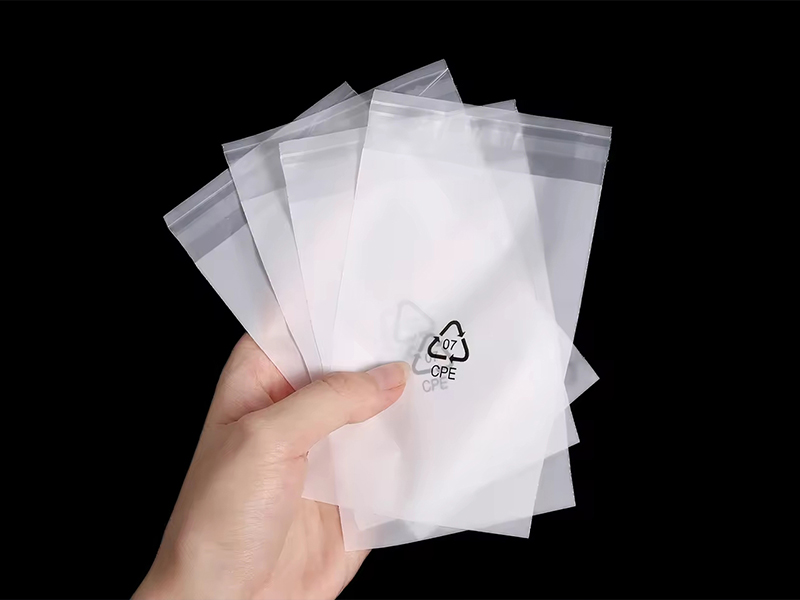
Recyclable packaging focuses on the end-of-life solution. This means designing bags (like mono-material PE bags) that can be easily collected and processed in existing recycling streams. While traditional multi-layer plastic films are often difficult to recycle due to their complex composition, innovations in mono-material structures are making more flexible packaging truly recyclable.
PCR packaging is made from recycled plastic bottles and films. It gives waste plastic a new life as apparel bags, cutting virgin plastic use and reducing landfill and ocean pollution.
Recycled Content & Recyclable Packaging
Two Core Concepts of Circular Packaging
Recycled content and recyclable design are key to circular packaging for apparel brands. When choosing solutions, brands need to balance sustainability, performance and cost.
What Is Post-Consumer Recycled (PCR) Packaging
PCR packaging is made from recycled plastic bottles and films. It gives waste plastic a new life as apparel bags, cutting virgin plastic use and reducing landfill and ocean pollution.PCR ratio ranges from 30% to 100%. Higher PCR is greener yet may affect clarity and strength. We tailor the best formula to keep good protection and brand appearance.
What Does Design for Recyclability Mean
Traditional flexible packaging uses mixed multi-material structures, which are hard to separate and recycle.
Mono-Material Recyclable Solution
Modern mono-material packaging, such as 100% PE film, delivers the same protection as traditional multi-layer structures, and is fully recyclable in standard PE recycling systems.Mono-material PE self-adhesive bags and courier bags fit apparel brands well. They meet consumer eco-expectations and prepare brands for upcoming packaging regulations.
Professional Customization & Quality Assurance
We supply and produce high-grade mono-material films with stable durability and premium print quality, delivering truly recyclable packaging without sacrificing performance or look.
Beyond the Material: Designing for Holistic Sustainability
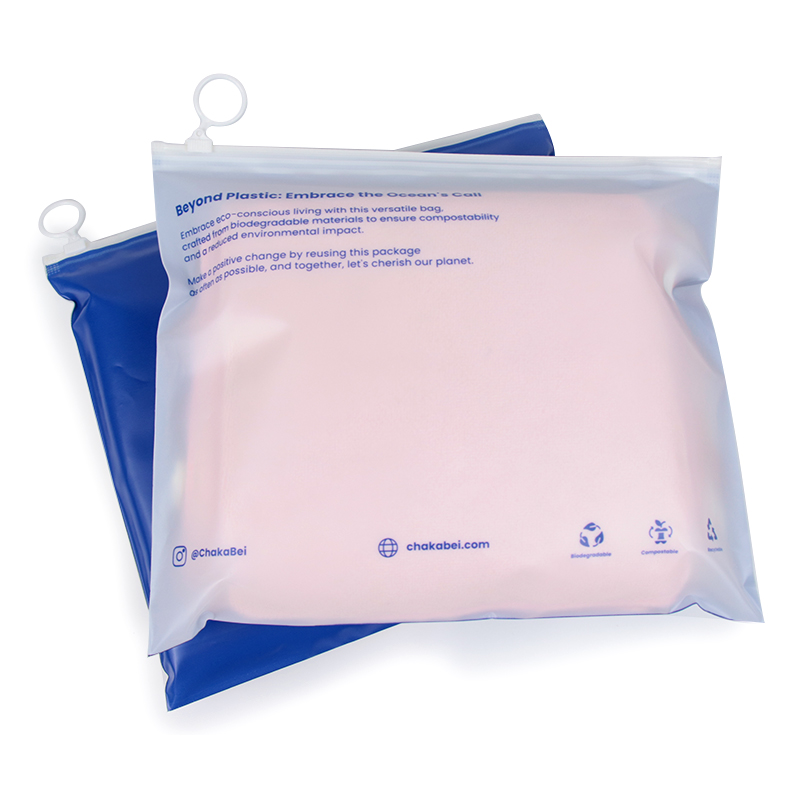
Sustainable packaging isn't solely about the material; it's also about smart design and functionality. At FDXPACK, we believe in a holistic approach to sustainability, which means considering factors like:
- Reduction: Can we use less material? Optimizing the size and thickness of your apparel bags can significantly reduce material consumption without compromising protection.
- Reusability: Can the packaging have a second life? Some courier bags are designed with a second adhesive strip for returns, extending their utility.
- Protection: Paradoxically, highly protective packaging is sustainable. If a garment is damaged during transit due to inadequate packaging, it leads to waste, returns, and increased carbon footprint. Our durable zipper bags and courier bags ensure products arrive safely.
- Lightweighting: Lighter packaging means lower shipping costs and reduced fuel consumption during transportation, contributing to a smaller carbon footprint throughout your supply chain
I’ve personally consulted with brands who initially only focused on "biodegradable" but, after discussing their entire supply chain and consumer behavior, realized that a robust, high-quality, recyclable mono-material bag with optimized dimensions offered a far more impactful and practical sustainable solution for their specific needs.The Business Case: Why Sustainable Packaging Matters for Your Brand
Adopting genuinely sustainable apparel packaging isn't just an environmental choice; it's a strategic business decision that offers numerous benefits:
- Enhanced Brand Image & Reputation: It signals your commitment to environmental responsibility, which is increasingly important to today's consumers.
- Increased Consumer Loyalty: Environmentally conscious shoppers are more likely to support brands that align with their values.
- Market Access & Compliance: Many retailers and marketplaces are implementing stricter sustainability requirements for packaging. Staying ahead ensures you meet these demands.
- Attracting Talent: Employees, especially younger generations, are often drawn to companies with strong ethical and environmental policies.
- Future-Proofing: Investing in sustainable solutions now prepares your brand for evolving regulations and consumer expectations.
It’s about building a brand that resonates with a conscientious market, demonstrating that you care about more than just profit.
Partnering with FDXPACK for Your Sustainable Apparel Packaging Needs
At FDXPACK, with our 17 years of experience, we understand that finding the right balance between sustainability, quality, and cost is crucial for your business. We pride ourselves on not being the cheapest, but on providing the highest quality custom packaging solutions. We offer a comprehensive range of clothing bags, including durable zipper bags, self-adhesive bags, and courier bags, with options for both traditional and various eco-degradable materials. Our commitment to quality, evidenced by our FDA and BRC food-grade certifications for our food bags (which speaks to our overall rigorous standards), extends to all our products.
We’re not just a manufacturer; we’re your partner. My team and I are dedicated to understanding your specific needs, guiding you through the complexities of material science, and delivering custom packaging that protects your garments, enhances your brand, and aligns with your sustainability goals. We provide transparent communication and ensure you have all the information needed to make truly informed decisions about your apparel packaging.Conclusion
The journey toward truly sustainable apparel packaging is complex, filled with evolving technologies and sometimes confusing terminology. Yet, it's a journey that every forward-thinking clothing brand must embark on. Moving "beyond biodegradable" means understanding the full spectrum of options—from genuinely compostable and recycled content to cleverly designed recyclable solutions—and applying them thoughtfully to your specific business context. At FDXPACK, we are ready to be your guide and manufacturer in this critical endeavor. As Emma Xiao, I invite you to reach out. Let’s collaborate to create custom, high-quality, and genuinely sustainable packaging that elevates your clothing brand and makes a real difference.
Email: emma@fdxpack.com
Website: www.fdxpack.com