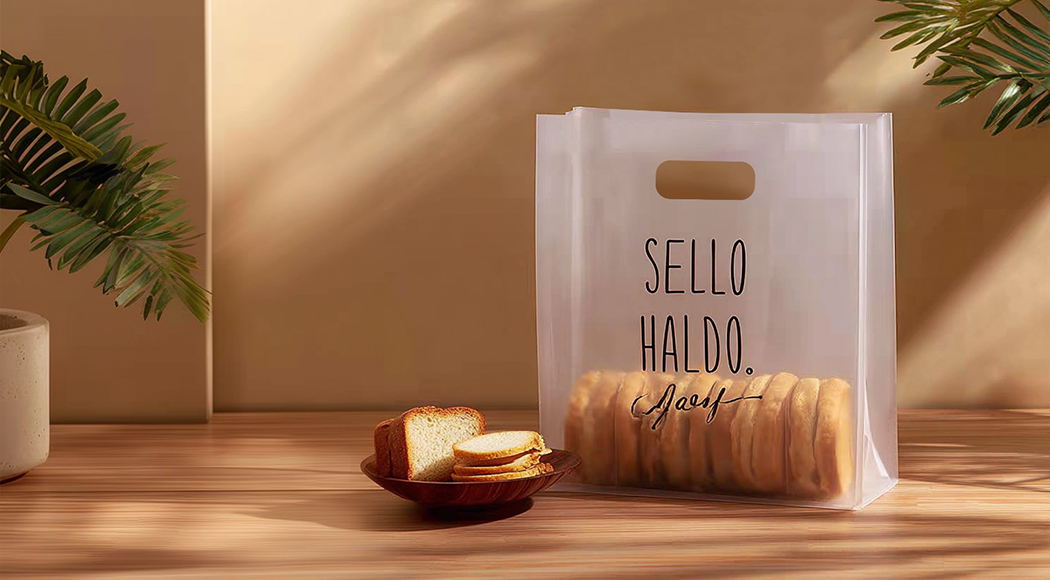
With nearly 20 years in packaging, I know food-safe packaging matters greatly. Food-grade materials won’t leak toxic substances into contents. All food brands must use certified compliant packaging per legal and safety requirements.https://fdxpack.com/
What Exactly is Food-Grade Packaging?
At its core, food-grade packaging refers to any material that is deemed safe for direct contact with food products. This means the material will not transfer any non-food chemicals, toxins, or undesirable substances into the food that could make it unsafe for consumption or alter its taste, smell, or composition. It implies that the packaging is manufactured under strict hygiene controls and from raw materials that meet specific regulatory standards set by governing bodies. This is a scientific and regulatory designation, not just a marketing term.
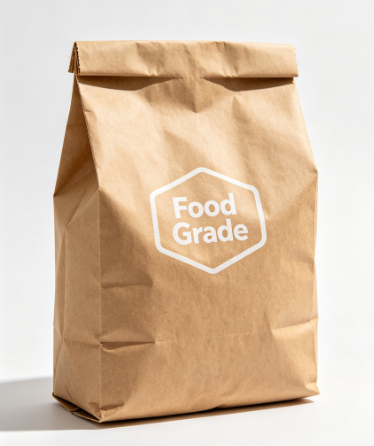
Why is Food-Grade Packaging So Important?
The importance of food-grade packaging cannot be overstated. It directly impacts consumer health, legal compliance, and your brand's reputation.
- Consumer Health and Safety: This is the primary reason. Non-food-grade materials can contain chemicals that, when in contact with food, can migrate and contaminate the product. These contaminants can range from mild irritants to serious health hazards, leading to illness or long-term health issues for consumers.
- Legal Compliance: Food safety regulations are strict and vary by region (e.g., FDA in the USA, EU regulations, BRC globally). Businesses are legally bound to use packaging that complies with these standards. Failure to do so can result in hefty fines, product recalls, and even criminal charges.
- Product Integrity and Quality: Food-grade packaging is designed not only to be safe but also to protect the food from external elements like oxygen, moisture, light, and contaminants. This helps maintain the product's freshness, flavor, texture, and nutritional value, extending its shelf life.
- Brand Reputation and Trust: In today's transparent market, a food safety incident can severely damage a brand's reputation, sometimes irrevocably. Using certified food-grade packaging demonstrates a commitment to quality and safety, building consumer trust and loyalty.
I've seen many businesses thrive because they prioritize safety and quality, and it always starts with the right packaging.
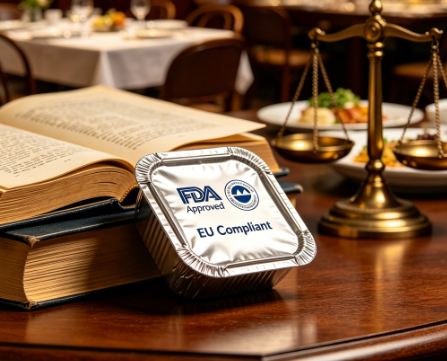
Key Characteristics of Food-Grade Materials
Food-grade materials share several critical characteristics that distinguish them from other packaging types:
- Non-Toxic: They are free from harmful chemicals, heavy metals, and substances that could leach into food.
- Non-Reactive: They do not react chemically with the food they contain, ensuring the food's taste, smell, and composition remain unchanged.
- Durable and Protective: They offer adequate physical protection against damage, contamination, and environmental factors like moisture, oxygen, and light.
- Cleanliness: Manufactured in hygienic environments to prevent microbial contamination.
- Traceability: Raw materials and manufacturing processes are fully traceable, allowing for accountability and quick identification in case of issues.
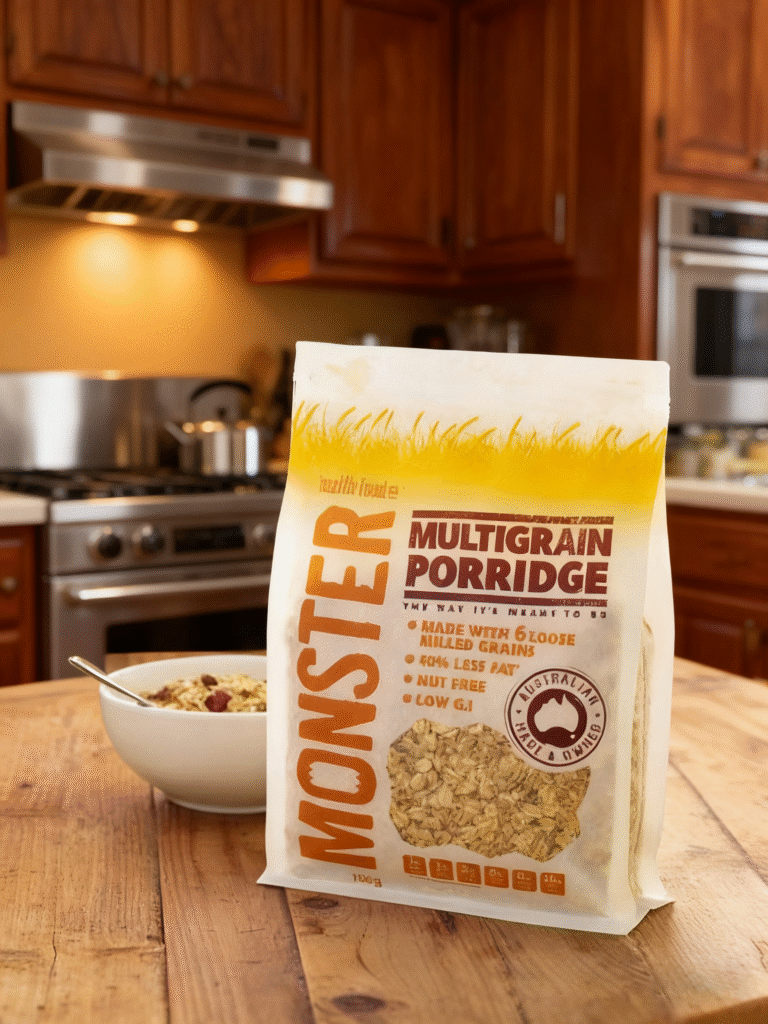
Common Types of Food-Grade Packaging Materials
While food-grade materials span many categories (glass, metal, paper), my expertise lies in flexible plastic packaging, which is highly versatile for food products.
- Polyethylene (PE): This is one of the most common food-grade plastics, often used for inner liners, films, and bags. Both High-Density Polyethylene (HDPE) and Low-Density Polyethylene (LDPE) are food-safe and offer good moisture barrier properties.
- Polypropylene (PP): Another widely used food-grade plastic, known for its heat resistance and good barrier properties. Often found in stand-up pouches, microwaveable containers, and snack bags.
- Polyethylene Terephthalate (PET): Excellent clarity, strength, and barrier properties against gases and moisture. Commonly used for bottles and some flexible film laminations.
- Multi-Layer Films: For many food applications, especially those requiring extended shelf life, multiple layers of different plastics (and sometimes aluminum foil or metallized films) are combined. Each layer contributes a specific property, such as strength, barrier to oxygen, or heat-sealability, all while maintaining food-grade compliance.
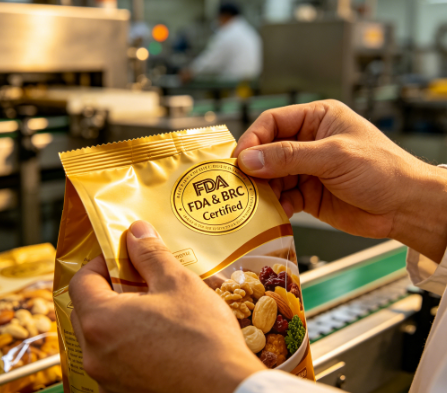
: In the United States, the FDA sets comprehensive regulations for materials that come into contact with food. This involves strict testing and approval processes for raw materials, additives, and the finished packaging product to ensure no harmful substances migrate into food.
- BRC Global Standard for Packaging Materials: This is an internationally recognized standard that provides a framework for manufacturers to manage product safety, integrity, legality, and quality within the packaging industry. Achieving BRC certification demonstrates a commitment to robust operational controls and continuous improvement in food safety and quality management.
These certifications are not just stamps of approval; they represent a deep commitment to rigorous processes, material traceability, and continuous quality control throughout the manufacturing lifecycle.
Benefits of Choosing Certified Food-Grade Packaging
The advantages of opting for certified food-grade packaging extend far beyond mere compliance.
- Enhanced Consumer Trust: Consumers are increasingly aware and concerned about food safety. Using certified packaging builds confidence and trust in your brand.
- Reduced Risk of Recalls: By ensuring your packaging is safe from the outset, you significantly reduce the risk of costly and reputation-damaging product recalls.
- Market Access: Many retailers and international markets demand certified food-grade packaging. Having the right certifications opens doors to new opportunities.
- Extended Shelf Life: Properly designed food-grade packaging offers superior barrier properties, protecting your product and reducing food waste.
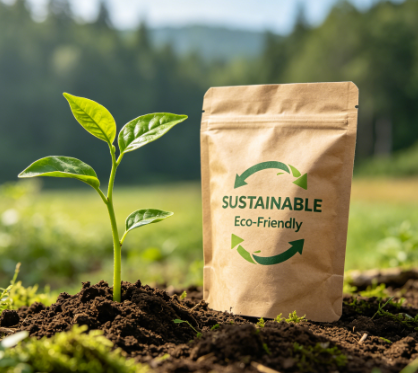
- Sustainability Credibility: Many food-grade packaging options are also designed with sustainability in mind, offering eco-friendly choices that align with consumer values.
Choosing the Right Food-Grade Packaging Partner
Selecting a supplier for your food-grade packaging is a critical business decision. Here’s what to look for:
- Experience: A long-standing history in the industry often indicates deep knowledge and reliability.
- Certifications: Ensure they hold relevant food-grade certifications (like FDA and BRC) that are applicable to your market.
- Quality Control: Inquire about their quality assurance processes, testing procedures, and material traceability.
- Customization Capabilities: Can they tailor packaging to your specific product needs, branding, and functional requirements?
- Communication: A responsive and transparent partner makes the sourcing process much smoother.
- Sustainable Options: Do they offer eco-friendly alternatives like degradable or recyclable materials?
Always prioritize quality and safety over just the lowest price, especially when it comes to food products.
Conclusion
Understanding what food-grade packaging entails is fundamental for any business in the food industry. It is not just a regulatory requirement but a cornerstone of consumer safety, product integrity, and brand reputation. By carefully selecting materials and partnering with a manufacturer committed to the highest standards, you ensure that your food products are protected and presented in the safest possible way. This article has covered the definition, importance, characteristics, types, and certifications related to food-grade packaging, providing a comprehensive overview for businesses.
My name is Emma Xiao, and with 17 years of experience in custom packaging, I am passionate about helping businesses like yours succeed with high-quality, certified solutions. If you have any questions or would like to discuss your specific food packaging needs, please feel free to reach out.https://www.yoemma.com/
Emma Xiao
Email: emma@fdxpack.com
Website: www.fdxpack.com