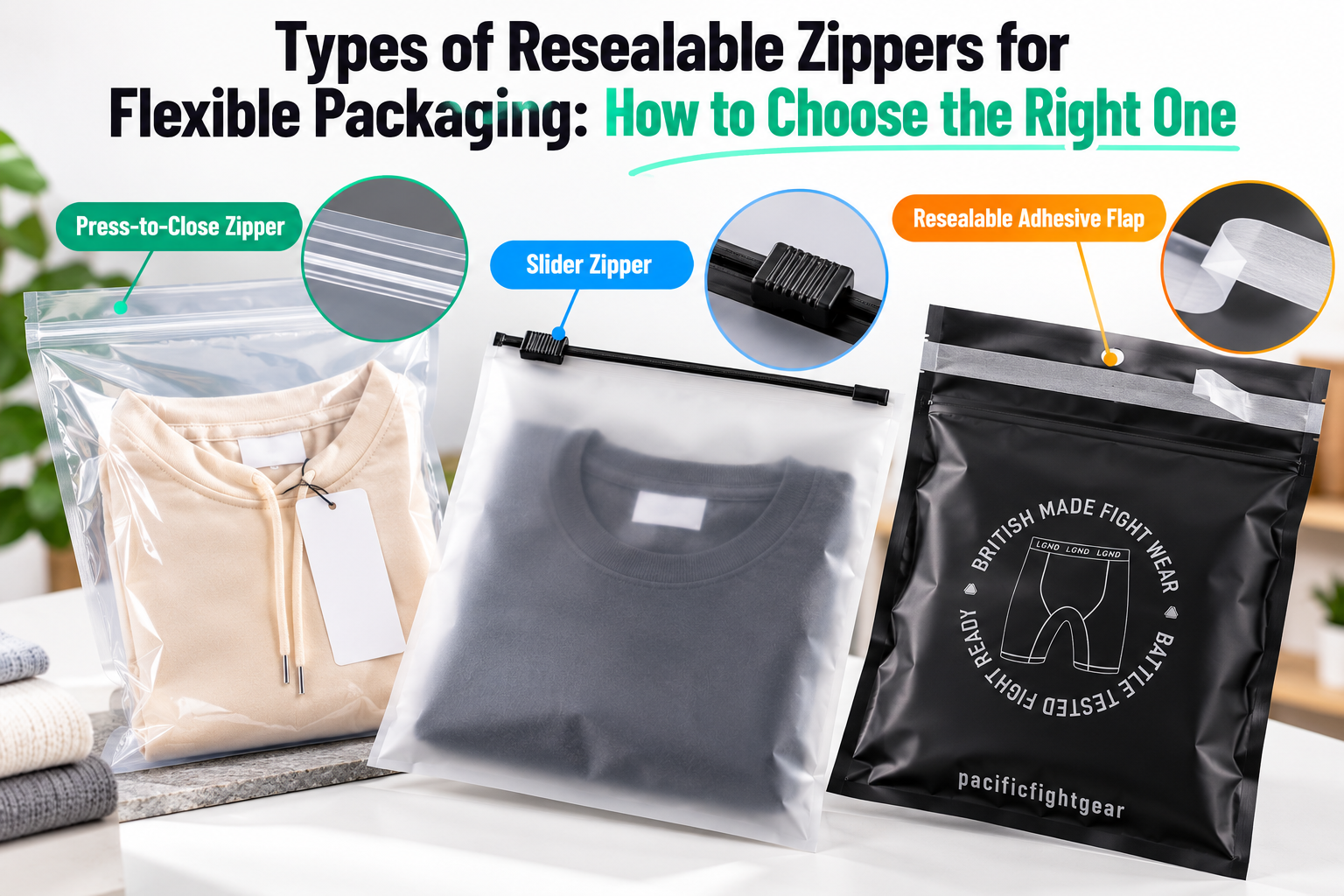
Resealable zippers make flexible packaging more convenient by allowing consumers to open and close bags multiple times.
However, not all zipper closures work the same way. Different products require different levels of sealing performance, opening convenience and material compatibility.
From food pouches to clothing bags, choosing the right zipper can improve packaging functionality and customer experience.
This guide compares common resealable zipper types, their applications and the key factors buyers should consider.
1. Common Types of Resealable Zippers
Press-to-Close Zipper
Press-to-close zippers use two interlocking tracks that are pressed together to close and pulled apart to open.
They are among the most widely used closure options for flexible packaging.

Best for: Snacks, dried foods, clothing, accessories and retail products.
Key benefits:
- Simple and cost-effective closure
- Suitable for repeated opening and closing
- Available in different zipper profiles
- Compatible with selected PE and laminated pouch structures
Slider Zipper
Slider zippers feature a small sliding component that moves along the zipper track to open or close the bag.
They are especially useful for larger packaging formats and products that require frequent access.
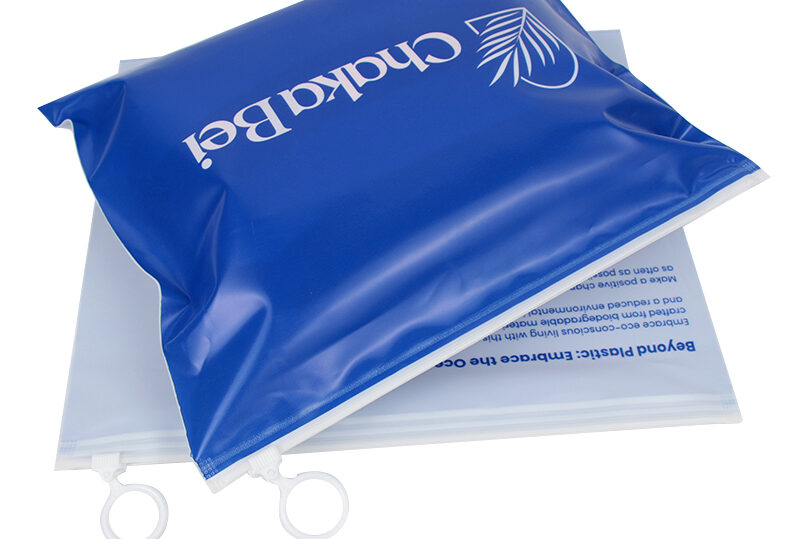
Best for: Clothing, bedding, home textiles and reusable storage packaging.
Key benefits:
- Convenient sliding operation
- Easy access to packaged products
- Suitable for larger bag openings
- Available with selected clear and frosted poly bag structures
Powder-Resistant Zipper
Powder-resistant zippers use specialized profiles designed to improve closure performance when fine particles are present near the zipper tracks.
They are useful for products where powder contamination can interfere with resealing.
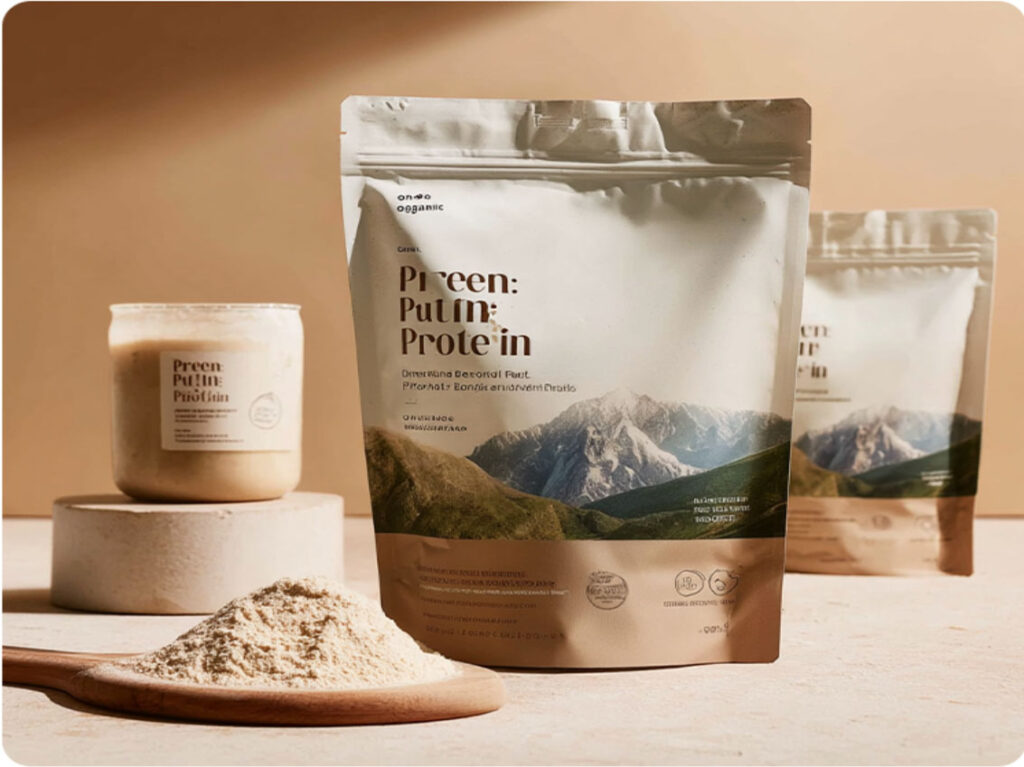
Best for: Protein powders, powdered beverages, spices and nutritional products.
Key benefits:
- Designed to reduce powder interference
- Supports repeated opening and closing
- Useful for fine-particle packaging applications
The actual sealing performance should be tested with the packaged powder.
Child-Resistant Zipper
Child-resistant zippers use specialized opening mechanisms designed to make access more difficult for young children.
These closures are commonly considered for products requiring additional packaging safety measures.

Best for: Selected regulated products and applications requiring child-resistant packaging.
Key benefits:
- Specialized opening mechanism
- Additional access-control functionality
- Available in selected flexible pouch formats
Important: Child-resistant performance must be demonstrated through applicable testing. A specialized zipper alone does not establish regulatory compliance.
Recyclable-Design Zipper
Recyclable-design zippers are developed to improve compatibility with the recycling pathway of the main packaging material.
For example, selected PE-based zippers may be paired with PE-based flexible packaging structures.
Best for: Brands developing mono-material packaging solutions.
Key benefits:
- Supports material compatibility goals
- Can be incorporated into selected mono-material designs
- Helps simplify material selection for recycling assessments
A compatible zipper does not automatically make the complete pouch recyclable.
2. Resealable Zipper Types Compared
| Zipper Type | Main Advantage | Typical Application |
|---|---|---|
| Press-to-Close | Simple, economical resealing | Snacks, clothing, retail |
| Slider Zipper | Convenient opening and closing | Apparel, bedding, storage |
| Powder-Resistant | Designed to reduce powder interference | Protein powder, spices |
| Child-Resistant | Specialized access control | Selected regulated products |
| Recyclable-Design | Material compatibility | Mono-material flexible packaging |
The best option depends on the product, bag size, required functionality and production conditions.
3. How to Choose the Right Zipper for Your Packaging
Before selecting a zipper, consider these five factors.
| Selection Factor | What Buyers Should Check |
|---|---|
| Product Type | Food, powder, clothing or retail products |
| Opening Frequency | Occasional or frequent opening |
| Bag Dimensions | Opening width and overall pouch size |
| Material Structure | PE, CPE or laminated film compatibility |
| Special Requirements | Powder resistance, child resistance or recyclable design |
For example, a clothing brand may prefer a slider zipper for convenient product access, while a snack brand may choose a press-to-close zipper for a compact, economical pouch.
Powder packaging may require a specialized zipper profile to reduce interference from fine particles.
4. Does Packaging Material Affect Zipper Selection?
Yes. Zipper performance depends on both the closure design and the packaging film.
Common material options include:
Clear PE: Suitable for transparent clothing bags and selected retail packaging.
Frosted CPE: Offers a soft, semi-transparent appearance for apparel and textile packaging.
Laminated Films: Used for selected food and high-barrier packaging applications.
Mono-Material Structures: May support recycling-oriented designs when the zipper and other components are compatible.
Zipper attachment, seal strength and repeated-use performance should be validated for the final bag structure.
5. Customization Options for Resealable Packaging
Packaging buyers can customize more than the zipper itself.
Common options include:
- Bag width, height and thickness
- Zipper type and position
- Slider color and compatible zipper profile
- Clear, frosted or printed materials
- Custom logos and full-color graphics
- Tear notches, hang holes and selected additional features
For brands ordering multiple designs, printing method and production quantity can also influence manufacturing costs.
6. Frequently Asked Questions
Which zipper is best for clothing packaging?
Press-to-close and slider zippers are both common options. Slider zippers can be convenient for larger apparel bags, while press-to-close zippers offer a simpler closure.
Are powder-resistant zippers completely leakproof?
Not necessarily. Their performance depends on zipper design, powder characteristics and the complete packaging structure.
Can resealable zipper bags be recyclable?
Some structures can be designed for recycling compatibility, but recyclability depends on the complete bag and the recycling systems available in the target market.
Can zipper bags be custom printed?
Yes. FDXPACK offers custom printing, sizes, material options and compatible closure configurations for different packaging applications.
Conclusion
Choosing the right resealable zipper involves balancing convenience, product protection, material compatibility and packaging cost.
Press-to-close zippers offer simple resealing, slider zippers improve opening convenience, and specialized zipper profiles address additional packaging requirements.
For B2B buyers, the best approach is to evaluate the product, packaging material and intended use before selecting a closure system.
Looking for Custom Resealable Packaging?
FDXPACK manufactures custom resealable poly bags with press-to-close, slider and selected adhesive closure options for apparel, retail and e-commerce packaging.
Explore our Custom Resealable Poly Bags Manufacturer solutions to learn more about material options, custom printing, sizes and bulk manufacturing.