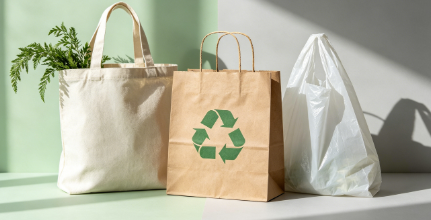
Packaging is shifting drastically in 2026—sustainable packaging is no longer a passing trend, but a must for every business. Eco-minded shoppers, tighter regulations, and brand environmental accountability drive this change, with full lifecycle sustainability (raw materials through disposal) now critical.https://fdxpack.com/
Nearly 20 years in this field, I remember sustainability was barely discussed back then, second to cost and function. Now every client prioritizes it. Going green boosts sales, complies with rules, and builds sturdier brands, as our industry innovates for the environment.
Why Sustainable Packaging is Essential Now
The urgency for sustainable packaging stems from several interconnected factors that have gained significant momentum in recent years. These drivers will only intensify by 2026:
- Environmental Imperative: The alarming statistics on plastic pollution, deforestation, and carbon emissions demand immediate action. Packaging, particularly single-use, contributes significantly to these environmental challenges.
- Consumer Demand: Modern consumers, especially younger generations, are increasingly conscious of their purchasing decisions' environmental impact. They actively seek out brands that demonstrate a commitment to sustainability, often willing to pay a premium for eco-friendly options.
- Regulatory Pressure: Governments worldwide are introducing stricter regulations on packaging waste, plastic use, and recycling targets. Extended Producer Responsibility (EPR) schemes are becoming more common, placing the onus on brands to manage the end-of-life of their packaging.
- Brand Reputation and Value: Sustainable practices enhance a brand's image, foster customer loyalty, and can attract ethically-minded investors. Conversely, failing to address packaging waste can lead to negative public perception and financial penalties.
Ignoring the call for sustainable packaging is no longer an option; it’s a strategic risk that no forward-thinking business can afford to take.

The Evolving Role of Plastic in Sustainability
Seventeen years ago, plastic packaging was valued only for its flexibility, sturdiness and low price, with little talk about environmental harm. Now plastic sits at the center of sustainability debates, yet not all plastic performs the same eco-wise.
Properly improved and handled, plastic can be eco-friendly: it’s light to cut shipping emissions, and its strong barrier keeps food fresh to lessen food waste.
By 2026, circular economy will lead sustainable plastic packaging, replacing disposable "make-use-throw" models. Brands focus on reusable, recyclable mono-plastics and PCR recycled materials with upgraded recycling tech.
One client planned to ditch plastic fully, but we proved lightweight PCR plastic pouches had a smaller carbon footprint for their goods than other materials. Smart lifecycle analysis lets plastic deliver solid sustainable performance.The Core Pillars of Sustainable Packaging
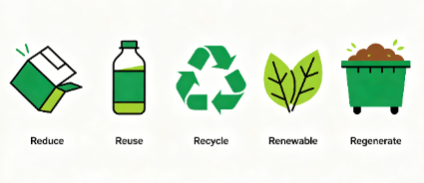
True sustainable packaging adheres to a set of fundamental principles that guide its design, production, and end-of-life management. These pillars form the framework for all effective eco-friendly solutions:
- Reduce: The first and most impactful step is simply to use less material. This involves lightweighting packaging, optimizing designs to minimize empty space, and eliminating unnecessary layers or components.
- Reuse: Designing packaging that can be refilled, repurposed, or returned for multiple uses significantly reduces waste and resource consumption. This applies to both consumer-facing and B2B packaging.
- Recycle: Packaging should be designed to be easily recyclable in existing infrastructure. This includes using mono-materials, clearly labeling components, and incorporating Post-Consumer Recycled (PCR) content.
- Renewable/Bio-based: Utilizing materials derived from renewable resources (like plants) rather than fossil fuels. This includes bio-plastics, paper, and other natural fibers.
- Regenerate/Compost: For certain applications, packaging designed to safely return nutrients to the soil through industrial or home composting can be a viable sustainable solution.
These principles are not mutually exclusive; often, the most sustainable solution combines several of these approaches.
Key Trends Shaping Sustainable Packaging in 2026
The next few years will see a rapid acceleration of innovation and adoption in several key areas of sustainable packaging. Here’s what I anticipate will be most impactful by 2026:
- Circular Economy Focus: This will be paramount. Packaging will increasingly be designed from the outset with its end-of-life in mind, aiming for closed-loop systems where materials are continually reused or recycled, minimizing waste.
- Increased Use of Recycled Content (PCR): Regulations and consumer demand will drive a significant increase in the percentage of Post-Consumer Recycled (PCR) materials in new packaging. This reduces reliance on virgin resources and supports recycling infrastructure.
- Lightweighting and Material Optimization: Continuous innovation in material science and design will lead to thinner, stronger films and more efficient packaging structures, using less material without compromising product protection.
- Design for Recyclability (DfR): Packaging will be intentionally designed to be compatible with existing and emerging recycling streams. This means simplifying material compositions, avoiding difficult-to-separate multi-materials, and using inks and adhesives that don't hinder the recycling process.
- Bio-based and Compostable Innovations: While not a universal solution, advancements in bio-based plastics (derived from renewable biomass) and certified compostable materials will offer viable alternatives for specific applications, particularly where recycling infrastructure is limited or for food waste streams.
- Transparency and Digitalization: QR codes, smart labels, and digital platforms will provide consumers with detailed information about packaging's origin, materials, and disposal instructions, fostering greater trust and engagement.
These trends represent a collective push towards a more responsible and resource-efficient packaging ecosystem.Challenges and Opportunities in Sustainable Packaging
While the drive towards sustainable packaging is strong, it's not without its hurdles.
Challenges:- Cost: Sustainable materials and processes can sometimes be more expensive than traditional options, impacting profit margins.
- Infrastructure: Recycling and composting infrastructure varies widely by region, limiting the effectiveness of certain sustainable solutions.
- Performance Trade-offs: Some sustainable materials may not offer the same barrier properties, durability, or print quality as conventional plastics, requiring careful evaluation.
- Greenwashing: The proliferation of misleading "eco-friendly" claims can confuse consumers and undermine genuine efforts.
Opportunities: - Innovation: The challenges drive innovation in material science, design, and manufacturing processes, leading to new and improved solutions.
- Brand Differentiation: Adopting truly sustainable packaging can be a powerful differentiator in a crowded market.
- Consumer Engagement: Educating consumers about sustainable packaging fosters loyalty and encourages responsible disposal.
- Long-term Value: Investing in sustainability often leads to long-term cost savings, risk reduction, and increased brand equity.
The key is to view these challenges as opportunities for innovation and leadership.Choosing Your Sustainable Packaging Partner
As businesses navigate this complex landscape, selecting the right packaging partner is paramount. Look for a manufacturer that demonstrates:
- Expertise: Deep knowledge of sustainable materials, regulations, and best practices.
- Certifications: Adherence to recognized standards (e.g., ISO, BRC, specific compostability certifications).
- Transparency: Open communication about material origins, environmental impact data, and end-of-life options.
- Customization: Ability to tailor solutions to your specific product, brand, and sustainability goals.
- Innovation: A commitment to research and development in new sustainable materials and processes.
- Quality: Sustainable packaging must still perform its primary function of protecting the product.
A reliable partner will guide you through the complexities and help you make informed decisions that benefit both your business and the planet.

Composite workshop Conclusion
The future of packaging, especially as we look towards 2026, is undeniably sustainable. It is about creating solutions that protect products, delight consumers, and respect our planet. This guide has outlined the essential principles, key trends, and critical considerations for any business committed to adopting truly sustainable packaging practices. By focusing on reduction, reuse, recycling, and responsible material choices, brands can not only meet evolving market demands but also become leaders in the global movement towards a more circular and environmentally conscious economy.
My name is Emma Xiao, and with 17 years of experience in custom packaging, I am passionate about helping businesses like yours succeed with high-quality, certified, and sustainable solutions. If you have any questions or would like to discuss your specific packaging needs, please feel free to reach out.https://fdxpack.com/https://www.yoemma.com/
Emma Xiao
Email: emma@fdxpack.com
Website: www.fdxpack.com