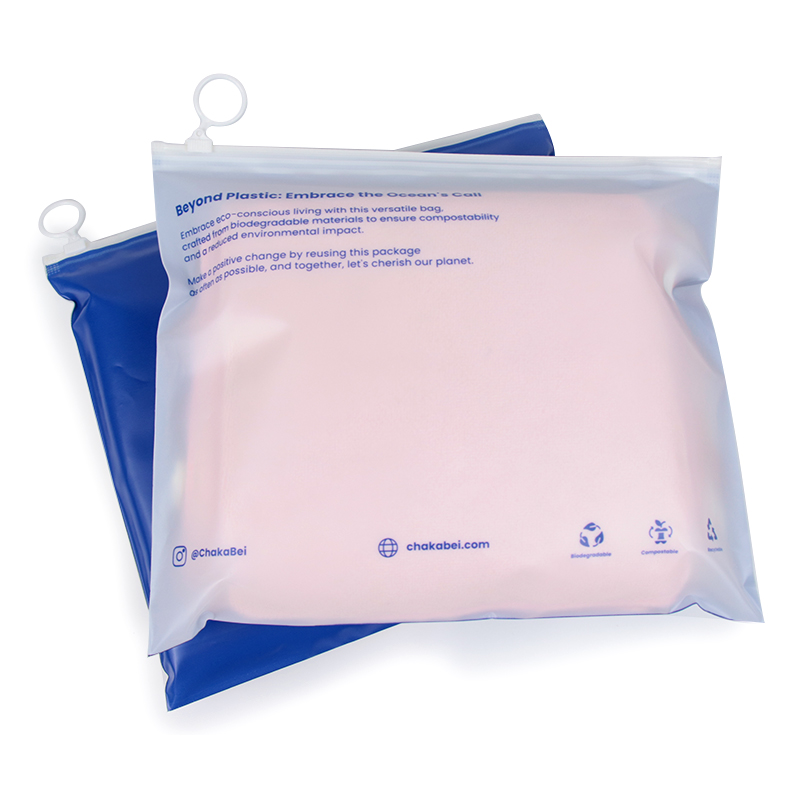
I’m Emma Xiao, with 17 years in plastic packaging serving global brands.https://fdxpack.com/
More brands now prioritize eco-friendly packaging. One food client wanted practical zipper bags with lower environmental impact.
Compostable zipper bags balance reliable protection and sustainability. They work as well as regular plastic pouches yet fully break down naturally, a long-term eco packaging pick instead of a passing trend.https://www.yoemma.com/
The Growing Demand for Sustainable Packaging
Plastic pollution draws widespread public attention now, and shoppers actively favor eco-friendly goods.
Ordinary plastic bags are cheap and practical but take centuries to decompose, polluting land and water.
Packaging brands have developed eco alternatives with the same protective performance.
Now businesses need packaging that protects goods, looks good and decomposes naturally—it’s no longer optional, but a basic market requirement.
What Exactly Are Compostable Zipper Bags?
Compostable zipper bags beat regular plastic by using plant-based raw materials like corn starch instead of fossil fuels.
They fully break down into harmless natural matter in industrial or home compost without toxic waste, unlike traditional plastic that lingers for centuries.
Don’t mix up compostable and biodegradable labels: biodegradable has no strict breakdown rules, while compostable guarantees clean, soil-friendly decomposition within a set period.
The zipper keeps the bags reusable before they decompose.
Key Benefits of Choosing Compostable Zipper Bags
Embracing compostable zipper bags offers a multitude of benefits that extend beyond environmental responsibility, impacting everything from brand perception to practical functionality.
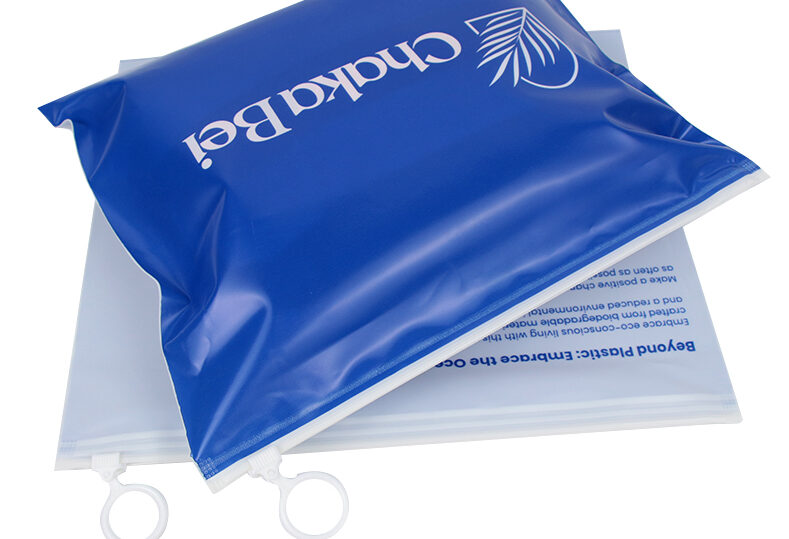
1. Significant Environmental Impact Reduction
The primary and most compelling benefit of compostable zipper bags is their positive environmental impact. By choosing these bags, businesses and consumers actively reduce the amount of conventional plastic waste accumulating in landfills and polluting natural environments. When properly disposed of in a composting facility, these bags don't just disappear; they transform. They break down into nutrient-rich humus, carbon dioxide, and water, effectively returning to the earth and contributing to healthy soil. This closed-loop system is a stark contrast to traditional plastics, which persist for centuries and contribute to microplastic pollution. For brands, adopting compostable packaging demonstrates a tangible commitment to sustainability, resonating deeply with environmentally conscious consumers. It's a powerful statement that shows you are part of the solution, not the problem, fostering goodwill and strengthening brand loyalty among a growing segment of the market that prioritizes ecological responsibility in their purchasing decisions. This reduction in environmental harm is not just a theoretical concept; it translates into cleaner oceans, healthier soil, and a more sustainable future for everyone.
2. Enhanced Food Preservation and Safety
While environmental benefits are paramount, compostable zipper bags also offer practical advantages, particularly in food preservation and safety. Many compostable films are designed with excellent barrier properties, meaning they can effectively protect food from oxygen and moisture. This helps to extend the shelf life of perishable items, keeping produce fresher for longer and preventing dry goods from becoming stale. The secure zipper closure ensures an airtight seal, further safeguarding contents from external contaminants and maintaining optimal freshness. Moreover, the materials used in certified compostable bags are typically non-toxic and food-safe, meeting stringent regulatory standards. This provides an assurance that no harmful chemicals will leach into the food, which is a common concern with some conventional plastics. For food brands, this means they can deliver their products with confidence, knowing that the packaging is not only eco-friendly but also actively contributes to the quality and safety of the food inside. It’s a win-win: consumers get fresh, safe food, and the planet benefits from responsible packaging choices.
3. Versatility and Familiar Convenience
Compostable zipper bags are designed to offer the same level of versatility and convenience that users have come to expect from their traditional plastic counterparts. They are available in a wide range of sizes, thicknesses, and configurations, making them suitable for diverse applications. Whether for storing food items in the pantry or refrigerator, packaging small retail goods, organizing craft supplies, or even for travel, their functional design adapts to various needs. The integrated zipper mechanism is intuitive and reliable, allowing for easy opening and secure re-sealing, which is crucial for maintaining freshness and preventing spills. This familiar functionality ensures a smooth transition for consumers and businesses accustomed to using traditional zipper bags. The goal of these innovations is not to compromise on convenience for the sake of sustainability, but rather to integrate eco-consciousness seamlessly into everyday practices. This means businesses can switch to a more responsible option without sacrificing the practical benefits that make zipper bags so popular and effective in the first place.
4. Positive Brand Image and Consumer Trust
In today's market, a brand's commitment to sustainability significantly influences consumer purchasing decisions and overall brand perception. By choosing compostable zipper bags, businesses send a clear and powerful message to their customers: "We care about the planet." This visible dedication to environmental responsibility can dramatically enhance a brand's image, positioning it as forward-thinking, ethical, and trustworthy. Consumers are increasingly seeking out brands that align with their values, and sustainable packaging is a tangible way to demonstrate this alignment. It builds a deeper connection with customers, fostering loyalty and encouraging repeat business. Moreover, it can serve as a strong differentiator in a crowded marketplace, attracting new customers who are actively looking for eco-friendly alternatives. This positive brand association isn't just about marketing; it reflects a genuine effort to contribute to a better future, which resonates deeply and cultivates a sense of trust and shared purpose between the brand and its audience.
How Compostable Bags Return to Nature
Understanding how compostable bags break down is key to appreciating their environmental benefits. The process primarily relies on microbial activity. When a certified compostable bag is placed in a composting environment – ideally an industrial composting facility, which provides the optimal balance of heat, moisture, and microorganisms – these tiny organisms begin to consume the plant-based polymers. They essentially "eat" the material, breaking it down into smaller and smaller organic compounds. This decomposition process converts the bag into water, carbon dioxide, and nutrient-rich biomass, also known as humus. This humus is a valuable soil amendment that improves soil structure, water retention, and nutrient availability, thereby supporting healthy plant growth. Unlike traditional plastics that fragment into harmful microplastics, compostable bags are designed to fully integrate back into the natural cycle. It's a fundamental difference: instead of persisting as waste, they become a resource that enriches the earth. This natural cycle is what makes them a truly sustainable alternative, offering a responsible end-of-life solution for packaging.
Applications Across Various Industries
The versatility of compostable zipper bags means they are quickly finding applications across a wide spectrum of industries, offering sustainable solutions where traditional plastics once dominated.
Food and Beverage Sector
Compostable zipper bags lock in food freshness safely for nuts, baked goods, frozen food and takeaway sides.
Resealable zips cut food waste, and they can decompose together with food scraps for circular eco packaging.
Retail and E-commerce
They fit clothing accessories, jewelry, beauty samples and craft supplies.
Custom printed eco bags upgrade unboxing, help brands attract eco-focused online shoppers and stand out from competitors.
Home and Personal Use
People use them for meal prep, fridge storage and travel organization.
Convenient zip function stays intact, and users can discard them without plastic waste guilt as home composting grows popular.
Choosing the Right Compostable Zipper Bags
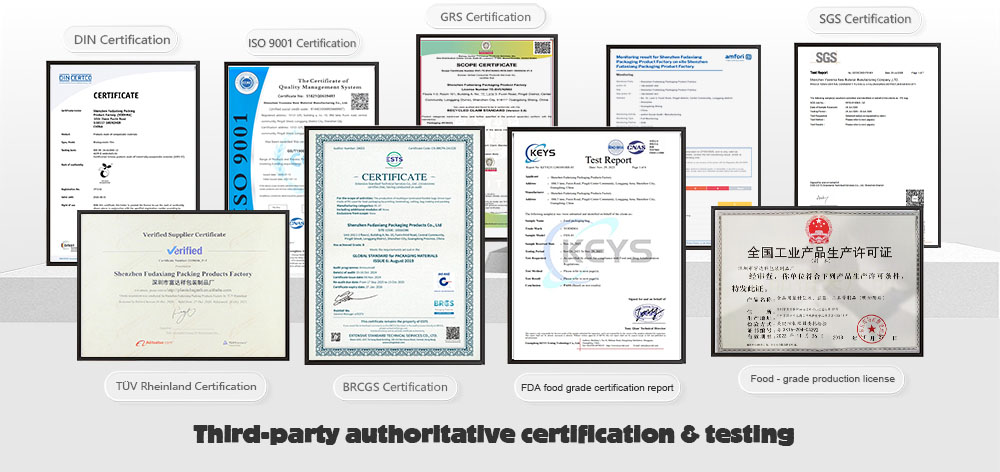
When looking to incorporate compostable zipper bags into your business, it's essential to make informed choices. First, always look for certifications. Labels like BPI (Biodegradable Products Institute) in North America or TÜV Austria's OK Compost HOME/INDUSTRIAL certifications are crucial. These ensure that the bags meet rigorous standards for compostability and will indeed break down as claimed. Second, consider the material quality and thickness suitable for your products. Just like traditional plastics, compostable films come in various strengths and barrier properties. Discuss your specific product needs (e.g., moisture sensitivity, weight, sharp edges) with your supplier to ensure the chosen bag provides adequate protection. Third, evaluate the supplier's expertise and commitment to quality. A reputable manufacturer, like FDXPACK, with experience in eco-degradable bags and certifications like FDA and BRC (even if not directly for compostable, it indicates high quality control), can guide you through the options, ensure consistent product quality, and help you navigate the nuances of sustainable packaging. Making the right choice means balancing functionality, certified compostability, and reliable supply.
Conclusion
Compostable zipper bags represent a significant and exciting advancement in packaging technology. They offer a powerful blend of practical functionality and profound environmental responsibility, providing a viable and sustainable alternative to traditional plastic storage. By choosing these innovative bags, businesses can not only meet consumer demand for eco-friendly solutions but also actively contribute to reducing plastic pollution and fostering a more circular economy. It's about making a choice that benefits your brand, your customers, and the planet.
For expert guidance in navigating the world of eco-degradable and compostable packaging solutions, and to find high-quality, custom options tailored to your specific needs, please reach out.
Email: emma@fdxpack.com
Website: www.fdxpack.com